Naty K.
Yelp
Driving through Saint Augustine, you cannot help but notice the incredibly zany, yet colorful, building as you enter the city. Perhaps you were touring Flagler College, and this colorful, Moorish building caught your eye, or perhaps you read or heard about this place or the cursed rug. In my case, I had read about it when researching attractions in Saint Augustine on TripAdvisor.com, and when my friend and I drove through town, that was one of the first things we came across, apart from Flagler College. After seeing it, I just knew I had to keep that on my list of sights to see.
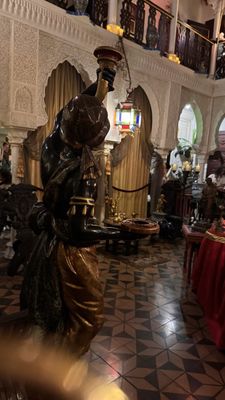
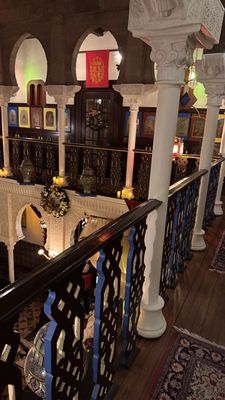
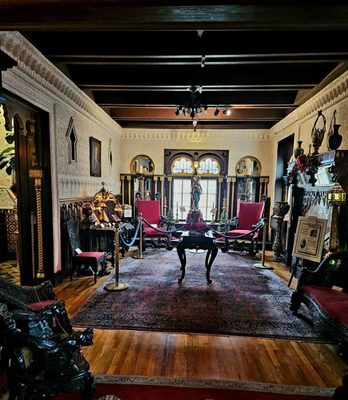
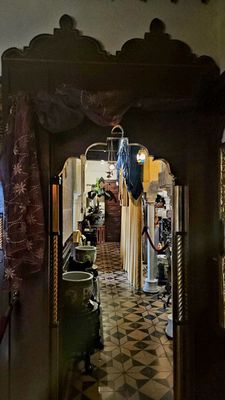
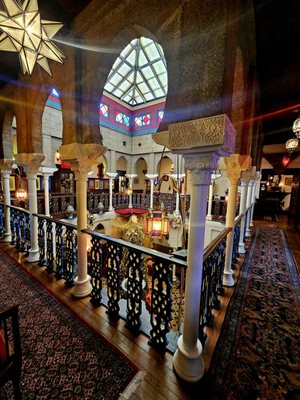
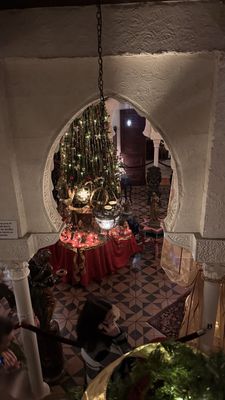
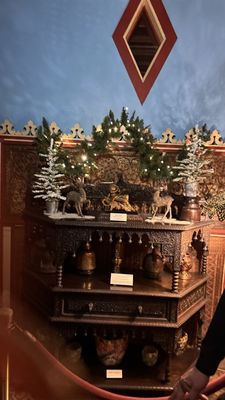
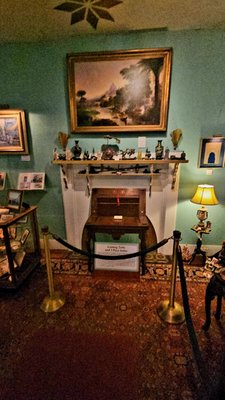
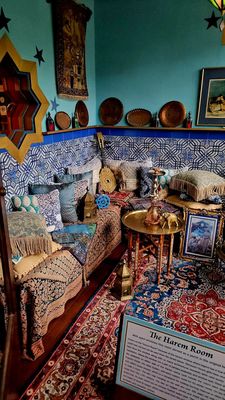
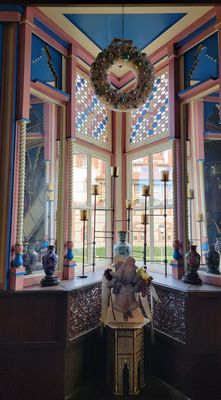
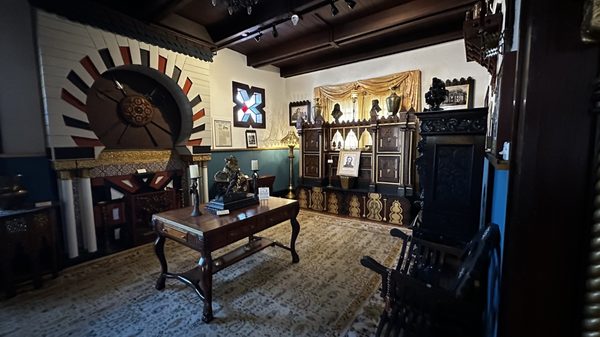
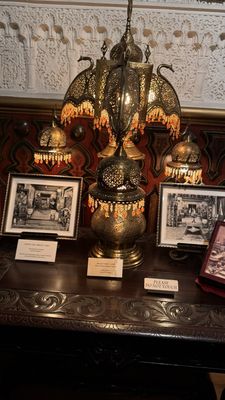
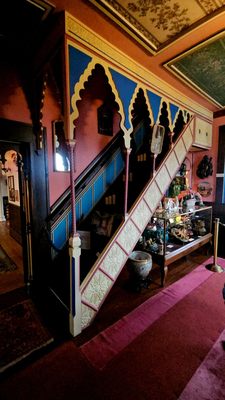
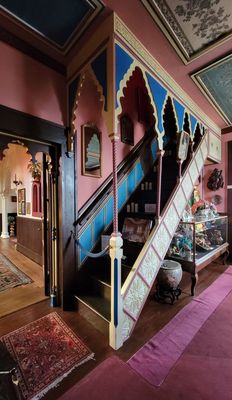
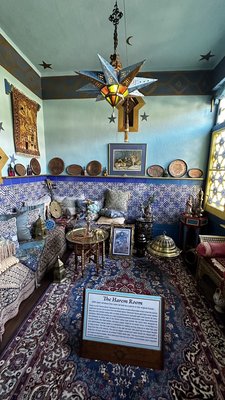
If you cannot afford to see the real deal in Spain, then this is a good introduction, at least until you can save up to see the place this home was inspired by: the Alhambra Palace in Granada. The villa contains luxurious interior details, including most notably cast plaster work matching that of the Alhambra in Spain. It is gorgeous, and contains a lot of different relics of other eras and countries of origin.
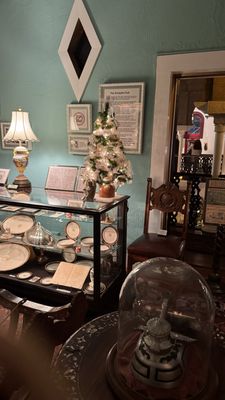
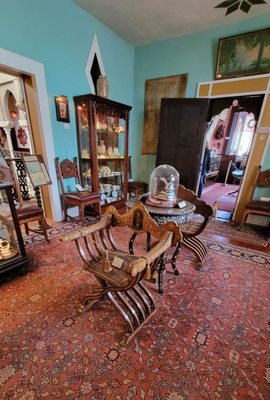
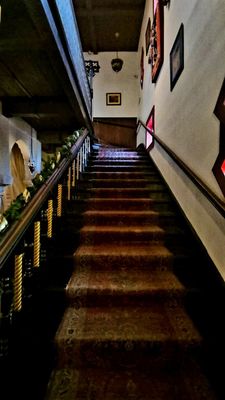
Unfortunately, photography is NOT allowed, hence the reason for not seeing any photos of the interior on Yelp (and yes, there are surveillance cameras throughout, sure to catch you if you try...I wouldn't risk it unless you don't mind perhaps being kicked out). Being unable to photograph the lavish interior was a big downer for me. There is no guided tour, but there is an audio tour, for no extra charge. It is incredible how detailed it is on the inside!
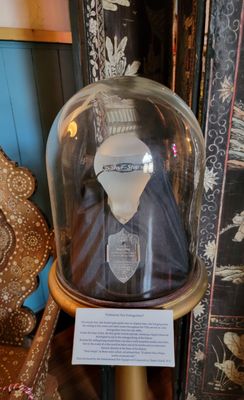
The most popular item on display, of course, is the "Sacred Cat Rug," which has been featured on Ripley's Believe It Or Not. It is over 2400 years old, was made from the hair of ancient Egyptian cats and was taken from a pyramid in Egypt. Like most things taken from the pyramids, it is said to possess a curse. The curse only takes effect if you walk on the rug, and it is safely kept away from anyone, so don't worry, you won't suddenly have any more bad luck than you already do! One of the main features of the building is the variation of the windows. Each window is a different shape and size because, according to superstition, the spirits could leave the house but would have trouble finding their way back in.
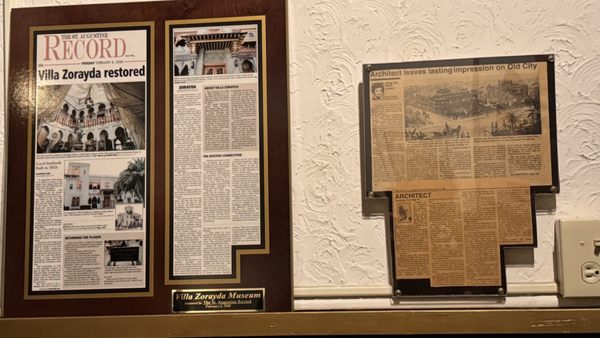
Apart from being an easily recognizable building, this building is very important in the fact that it pioneered the use of mixed concrete and coquina, which then inspired Henry Flagler to use these materials in his own construction. Franklin W. Smith, the original owner and builder of Villa Zorayda, built the Casa Monica Hotel in the Moorish Revival style to complement Flagler's Ponce de Leon and Alcazar Hotels. Villa Zorayda set a precedence for St. Augustine in beginning the Moorish Spanish revival of architecture that is seen throughout the city today. Villa Zorayda was not only a house, but a casino, a speakeasy, and a movie set. Considering its history and its exotic, unique nature, Villa Zorayda should definitely not be passed up!