Washington Monument
Monument · Washington Monument Grounds ·
Iconic obelisk with panoramic city views, rich history, free access



Iconic obelisk with panoramic city views, rich history, free access
"I noted that the Washington Monument is closed to the public during the shutdown, per statements about national site closures in Washington, DC." - Jessica Puckett
"I note that the Washington Monument is closed during the government shutdown, according to the district’s tourism information and the Interior Department’s shutdown plan." - Jessica Puckett
"A major Mall landmark with limited public hours—open generally from midmorning to late afternoon—and requiring advance reservation of a free tour time, so plan ahead if you want to go inside rather than just view it from the exterior." - Nicholas DeRenzo Nicholas DeRenzo Nicholas DeRenzo knows where to eat, stay, and play in almost any locale. A travel writer and editor, he has contributed articles to Condé Nast Traveler, BBC Travel, Travel + Leisure, New York magazine, The New York Times, and Sunset. Travel + Leisure Editorial Guidelines
"This iconic obelisk on the National Mall is a quintessential, free-to-visit D.C. landmark and a popular, photogenic spot—often photographed from across a nearby pond. Easily reached on foot, by bike-share or metro, it sits among the capital’s many free museums and memorials, making it an easy stop for solo travelers who value walkability, sightseeing on a budget, and classic photo opportunities." - Madeline Weinfield
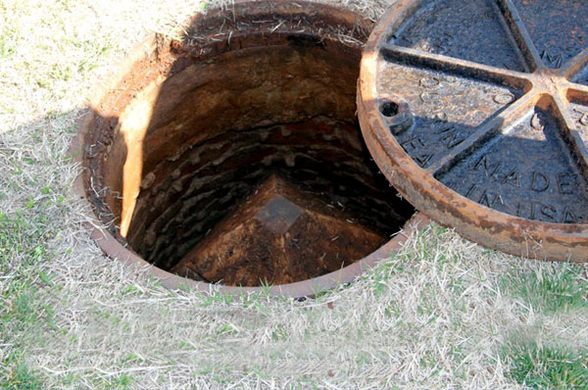
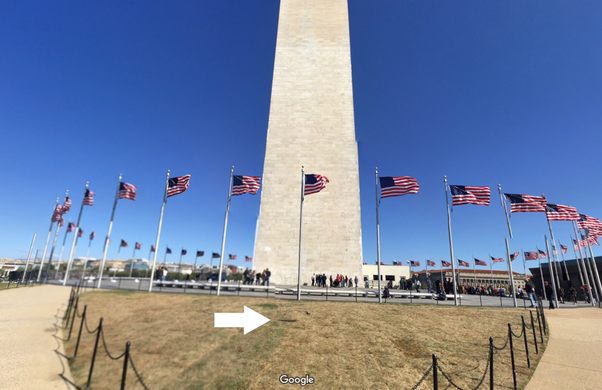
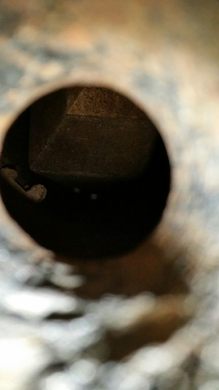
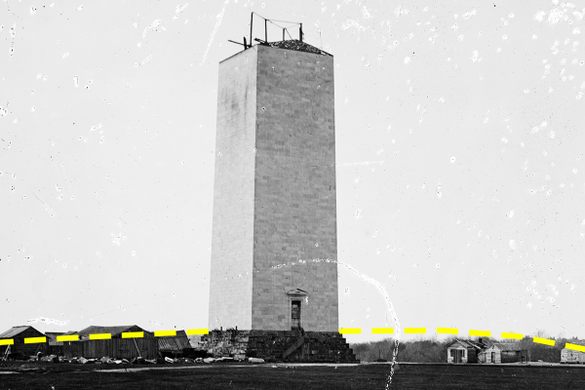
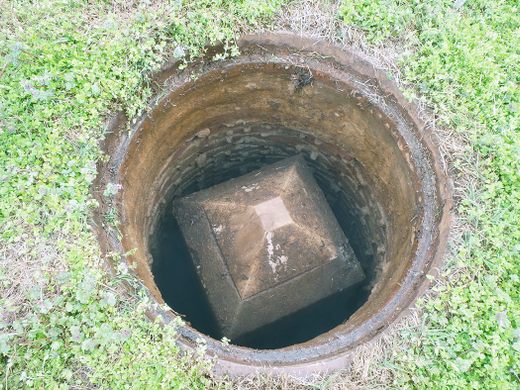
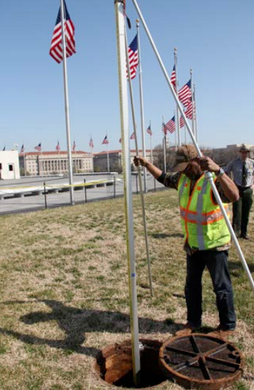
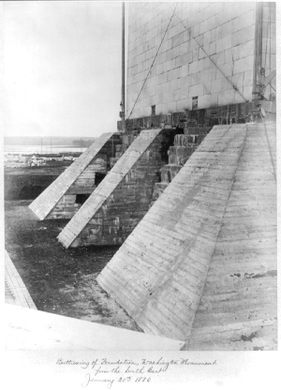
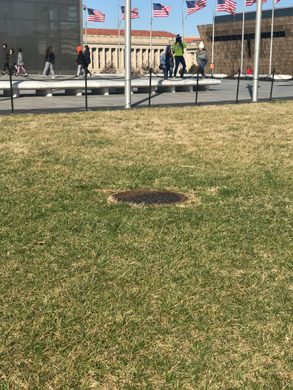
"Unknown to most passersby, there’s a 12-foot-tall replica of the Washington Monument under a manhole near the actual monument. Officially known as “Bench Mark A,” this underground oddity is actually a Geodetic Control Point that’s used by surveyors. It’s part of the network of a million control points across the country that helps the National Geodetic Survey (NGS) synchronize all of the government’s maps. According to NGS modernization manager Dru Smith, “Geodetic control points provide starting points for any map or measurement. It has to be more accurate than any measurement you do on top of it, so we pick things that tend to be extremely stable.” Usually that means metal caps or rods that are driven down into the ground, but this quirky control point mirrors the form of its next-door neighbor. “All the surveys we’ve done, going back to the early 1900s, have used it,” says Smith. Most recently, it was used in the aftermath of the 2011 Washington earthquake. Measurements over the past century have shown that the marshy soil below Washington Monument has risen 6.2 centimeters, at an average rate of 0.5 millimeters per year. The mini monument was placed in the 1880s as a part of a trans-continental leveling program. The ground level here was much lower at that time, with large parts of the Washington Monument foundation still visible above ground (see fourth image above). The mini monument was above ground for a time, before being encased in a brick chimney and buried. Outside of surveying circles, it’s been largely forgotten." - ATLAS_OBSCURA


