Wu-Rons
Ramen restaurant · Buckman ·
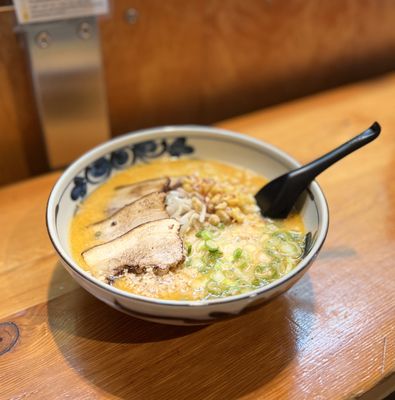
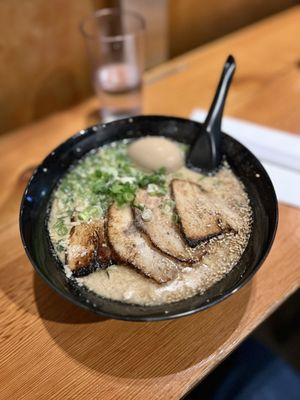
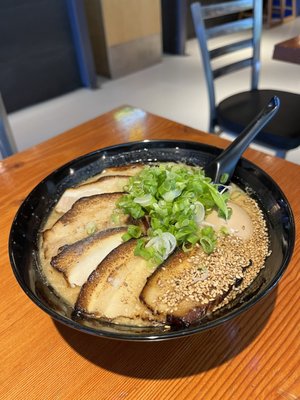
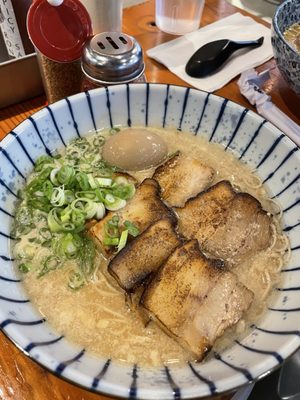
Nagahama-style tonkotsu ramen with thin noodles and thick-cut chashu


















Nagahama-style tonkotsu ramen with thin noodles and thick-cut chashu
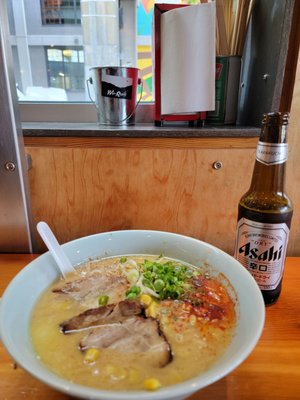
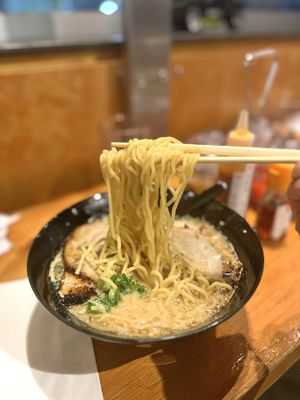
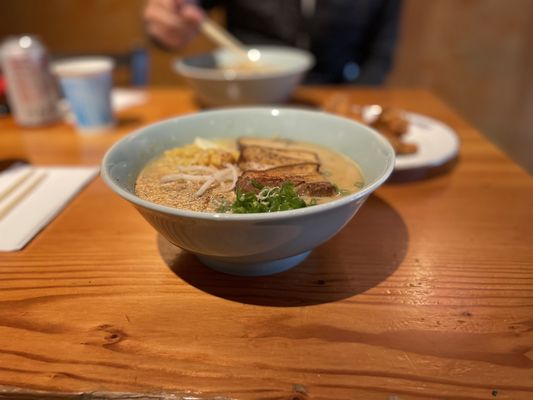
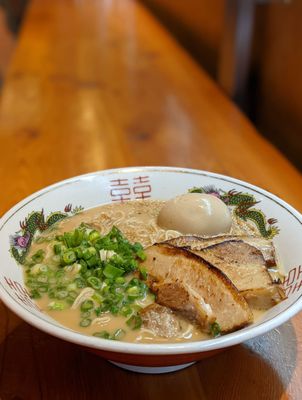
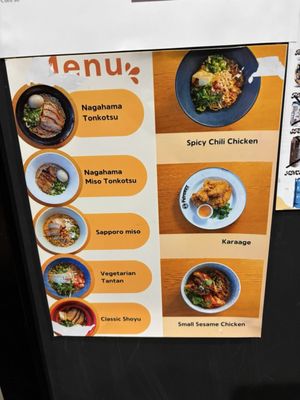
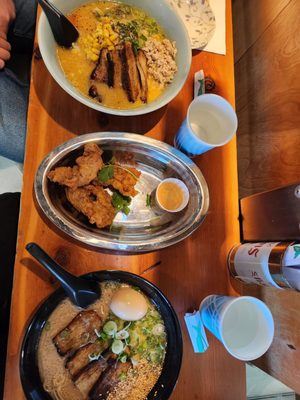
"This Nagahama ramen shop, in the former Noraneko space, has fine-tuned its rendition of the celebrated tonkotsu style in its brief tenure. The broth has the distinct richness typical of tonkotsu, but it doesn’t come across as unnecessarily heavy; instead, it almost undetectably coats the thin noodles, which retain a satisfying bite. The chashu slices skew thick, juicy with a slight sear, and the shop doesn’t skimp on the sesame seeds and green onion. This isn’t the kind of place where diners can stack their bowls with a laundry list of add-ons and toppings, but it doesn’t need to be. For variations, diners can opt for things like Sapporo-style miso, a vegetarian tantanmen, or a spicy chile chicken." - Zoe Baillargeon
"This Nagahama ramen shop, in the former Noraneko space, has fine-tuned its rendition of the celebrated tonkotsu style in its brief tenure. The broth has the distinct richness typical of tonkotsu, but it doesn’t come across as unnecessarily heavy; instead, it almost undetectably coats the thin noodles, which retain a satisfying bite. The chashu slices hew thick, juicy with a slight sear, and the shop doesn’t skimp on the sesame seeds and green onion. This isn’t the kind of place where diners can stack their bowls with a laundry list of add-ons and toppings, but it doesn’t need to be: What it does simply is simply exceptional. For variations, diners can opt for things like Sapporo-style miso, a vegetarian tantanmen, or a spicy chicken paitan." - Ron Scott, Eater Staff
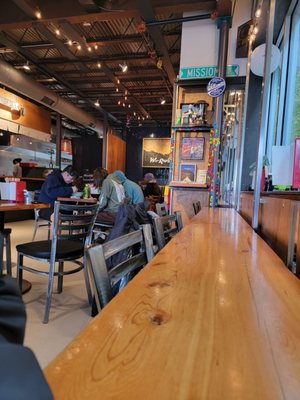
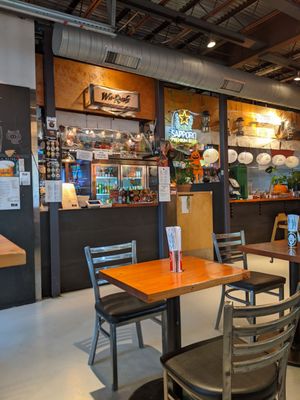
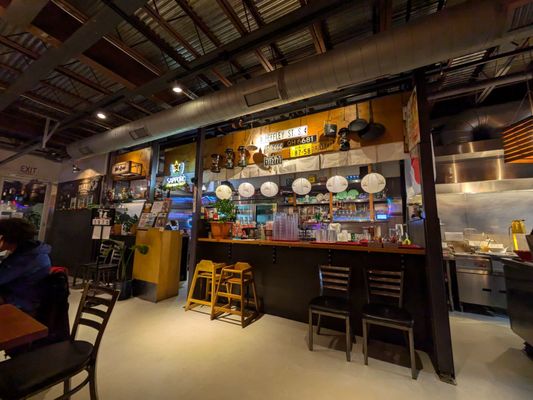
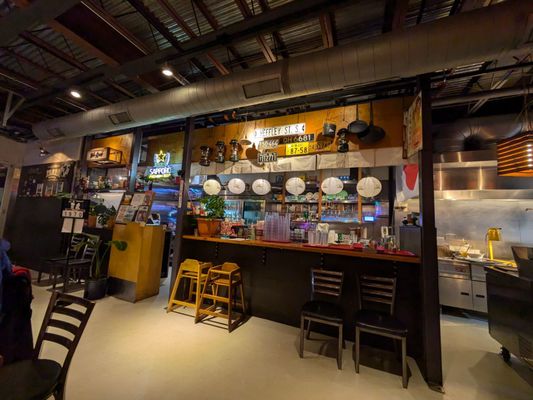
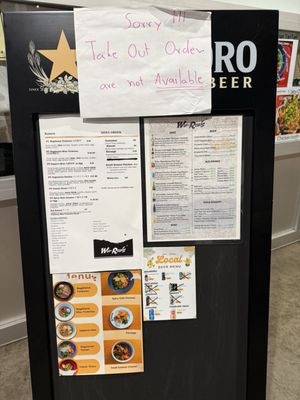
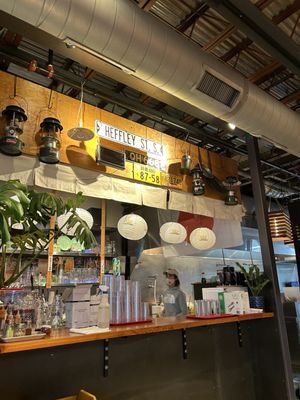
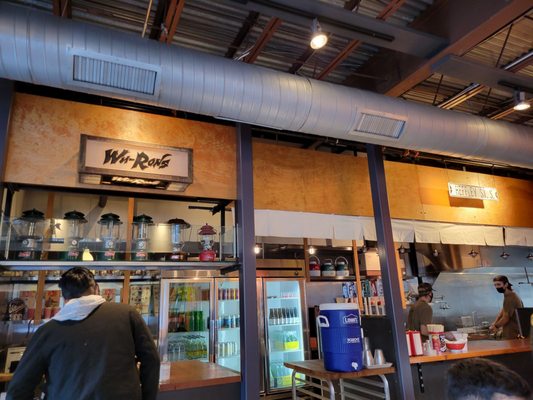
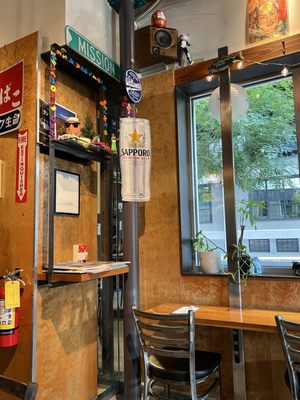
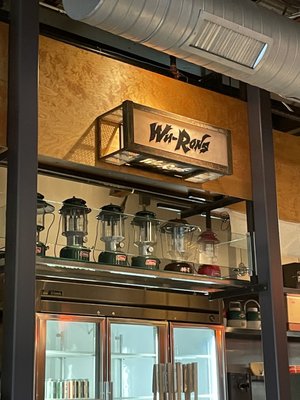
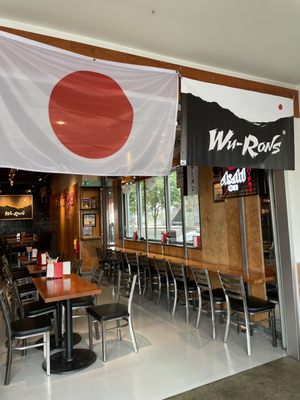
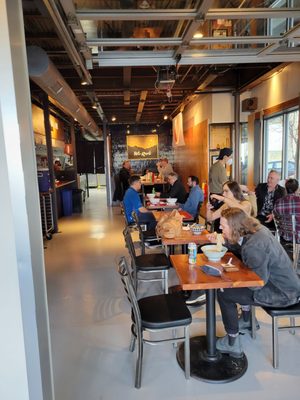
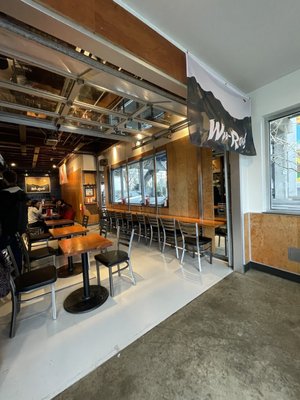
"Opened earlier this month by Shintaro Yamada and chef Taka Terashita in the former Noraneko space, Wu-Rons specializes in Nagahama-style tonkotsu ramen and deliberately avoids Portland-Japanese fusion to recreate the bowls Yamada remembers from Fukuoka. The tonkotsu broth boils for around eight to ten hours before landing in a bowl with a pile of thin, firm noodles; a layer of sesame seeds mingles with floating scallions and thick sliced-and-seared slabs of chashu pork, and while the exact broth recipe remains under lock-and-key, it manages to be light in texture despite a rich depth of flavor. Terashita—who spent 25 years in Manhattan kitchens, including time working for celebrated French-Japanese chef Tadashi Ono—says the key to tonkotsu is balance and using the whole pig (head, ham bone, back bone). The current menu is extremely simple (Nagahama ramen, Nagahama miso ramen, and a vegetarian tantan made with both dried and fresh mushrooms), with possible future additions like karaage and selected sakes, and the decor—Coleman lamps above the order counter, an “Outdoor life” sign, Tokyo Tribes references and hip hop on the speakers—aims to give the shop a pumped, street-culture energy." - Brooke Jackson-Glidden
"For those who find comfort in wanderlust, look no further than West Charlotte’s newest ramen bar, Wu-Ron’s. Curiously tucked away with limited street signage, the intimate noodle shop recently made its soft opening debut and is already buzzing with well-deserved praise. Minimalists rejoice. From its sunlight-drenched natural wood paneling to its sleek, straight to the point menu, Wu-Ron’s embodies the most original Japanese ramen experience yet to hit the Queen City. Choose from three rich, velvety broths including chicken, pork or a vegetarian kelp and mushroom, all accompanied with a generous heap of hand pulled noodles. The Shirozaru classic tonkotsu is packed with rich, pork taste from broth to sliced belly and the Tokyo shoyu blends the best of both worlds within its chicken broth and pork belly topping, adding scallion and bean sprouts for a layered crunch. The labor of love behind each bowl is what makes this Japanese tradition more than just a trend, but a comfort food to stay — certainly as is Wu Ron’s. No flavor packets, no frills, just real-deal umami bliss bathing in each bite." - Sara Akhavan
"A new ramen shop in Southeast Portland specializing in the tonkotsu style found in Nagahama, Japan." - Eater Staff
