Jimmy S.
Google
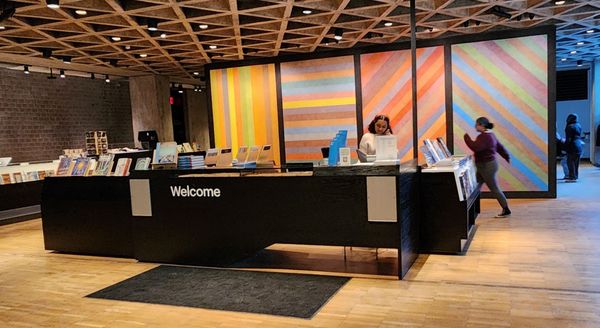
In New Haven, a city whose rhythms are inseparable from the university that defines it, the Yale University Art Gallery occupies a position that feels both central and quietly self contained. It sits at the edge of Yale’s Old Campus, neither cloistered nor showy, open to the public and free of charge, as if art here were meant to be encountered as part of daily life rather than reserved for special occasions.
The gallery’s origins are modest but consequential. Founded in 1832 with the donation of patriotic paintings by John Trumbull, it is the oldest university art museum in the Western Hemisphere. That fact is not announced with ceremony inside the building, but it lingers as a kind of institutional confidence. Over time, the collection grew alongside the university, shaped by generations of scholars, collectors, and alumni who believed that art should be studied at close range, not merely admired from afar.
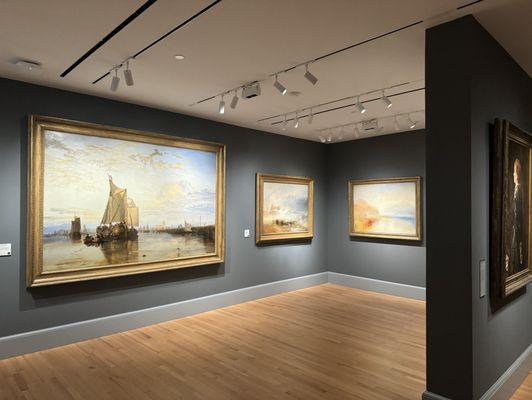
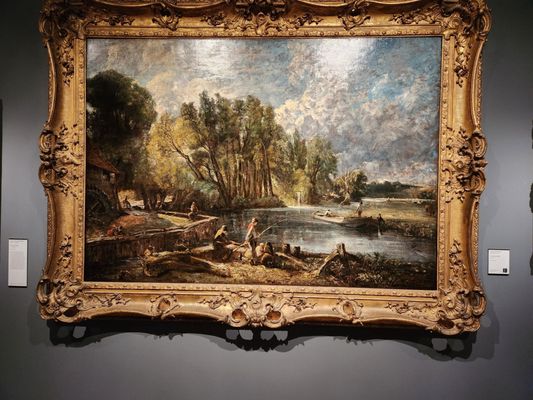
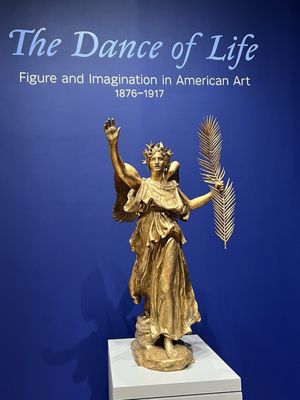
The experience of moving through the galleries is deliberately unhurried. Medieval panels and early Renaissance altarpieces glow against deep blue walls, their gold grounds catching the light with a stillness that feels devotional even outside a religious context. Nearby, American and European paintings unfold with measured clarity. A room anchored by Vincent van Gogh’s “The Night Café” draws visitors almost magnetically, yet the surrounding works refuse to be overshadowed. The painting’s feverish reds and uneasy perspective feel all the more intense because they are not isolated as spectacle but placed within a broader conversation about modernity and alienation.
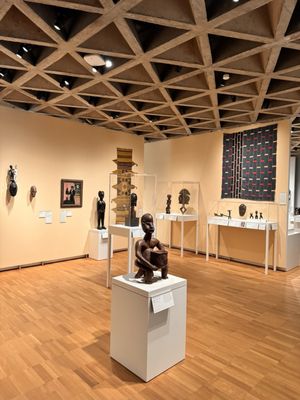
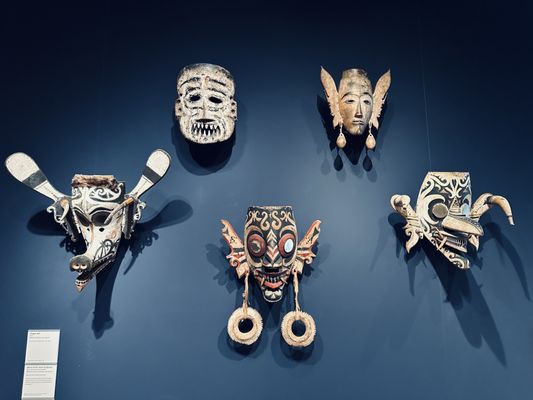
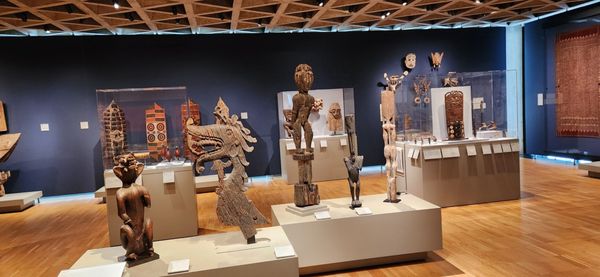
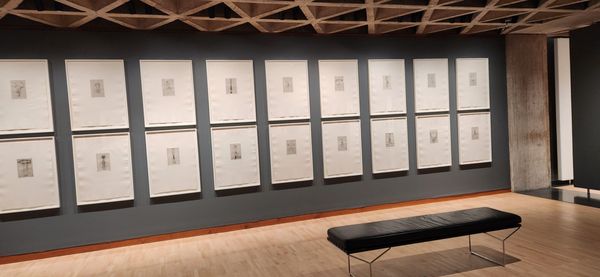
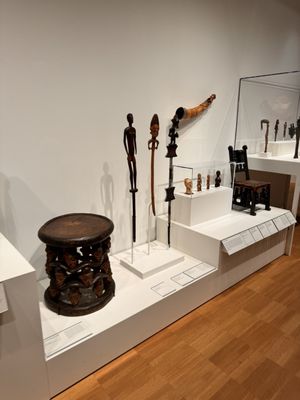
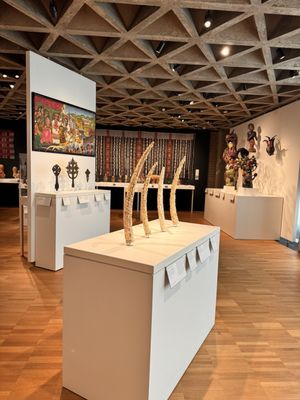
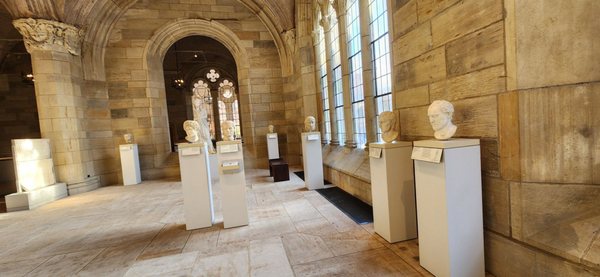
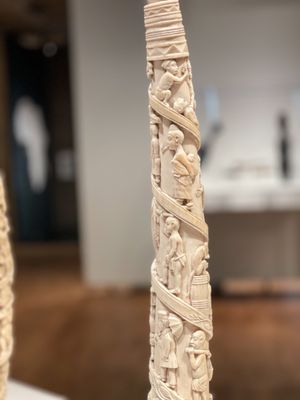
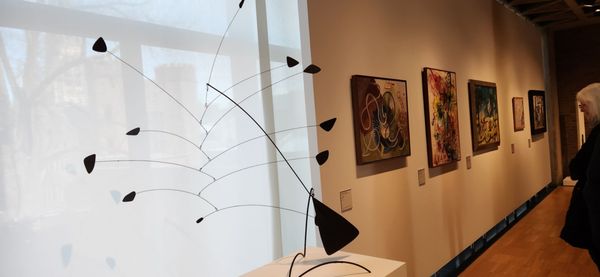
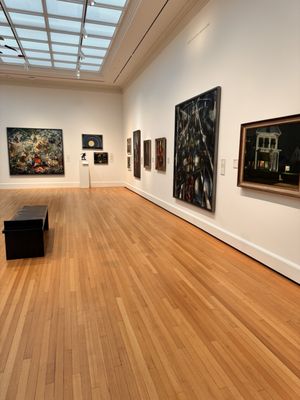
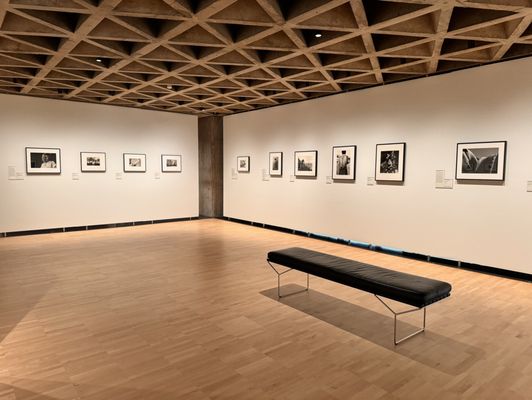
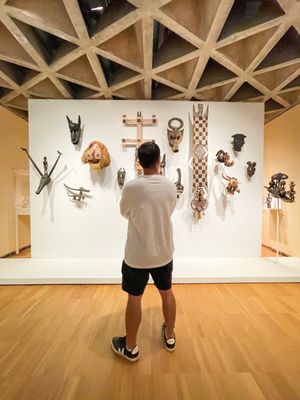
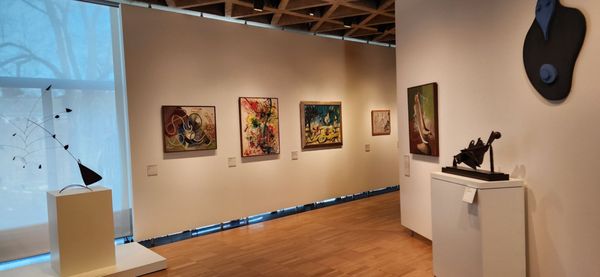
What distinguishes the Yale University Art Gallery is not only the range of its holdings, which span ancient Mediterranean objects, Asian art, African sculpture, and modern design, but the way they are presented. Labels are informative without being overbearing. Sightlines are generous. There is a sense that the museum trusts its visitors to linger, to look twice, to make connections without being told exactly what to think.
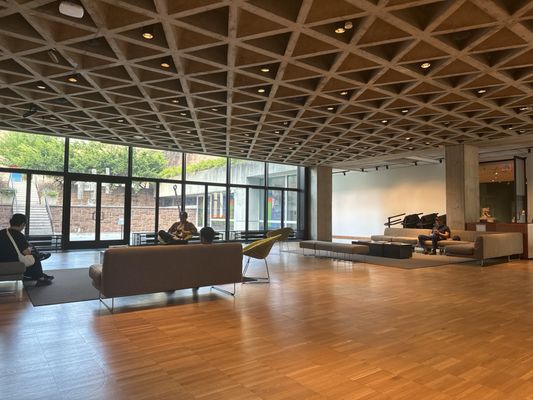
One of the quiet pleasures of the gallery lies beyond the main exhibition spaces. Through tall, mullioned windows, the old study room and library reveal long wooden tables and shelves of books, a reminder that this is, at heart, a teaching collection. Students drift in and out, notebooks in hand, while tourists pause, briefly sharing the same space. The boundary between academic inquiry and public enjoyment dissolves almost without notice.
In a cultural landscape often defined by blockbuster shows and architectural bravado, the Yale University Art Gallery offers something rarer and more durable. It is a museum that does not rush to impress. Instead, it rewards patience, offering depth over drama and continuity over novelty. You leave not with the feeling of having seen everything, but with the sense that the collection will still be there, waiting, the next time you find yourself in New Haven.