Dani C.
Yelp
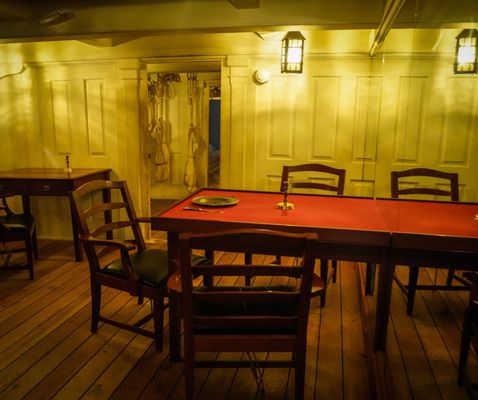
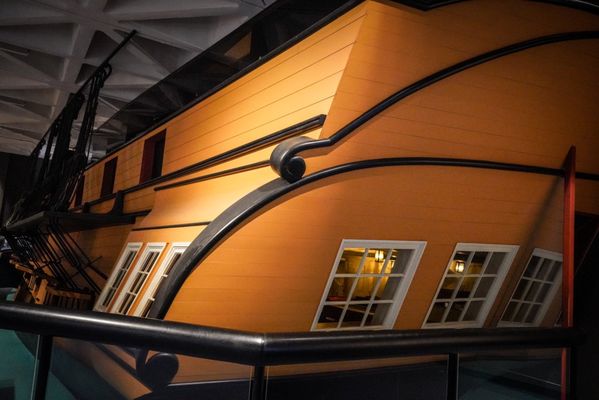
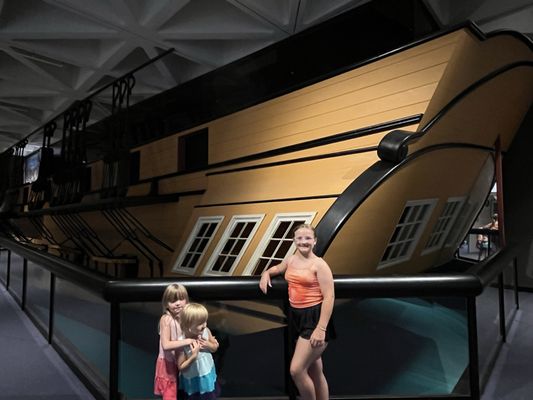
Unfortunately we only had time to see the museum and the monument. Will def be back to see the actual battlefield. I loved the ship!!!
The Siege of Yorktown (Sept. 28-Oct. 19, 1781) The siege was a land-and-sea campaign in which American and French troops together entrapped a major British army on a peninsula at Yorktown, Virginia. The British army surrendered, virtually assuring that the American colonies would win their independence from Great Britain.
Early Fall 1781
General Cornwallis and 9,000 British troops take control of the port city of Yorktown, awaiting more supplies and troops from England. Meanwhile, General George Washington, assisted by Lieutenant General Jean-Baptiste-Donatien de Vimeur, Comte de Rochambeau and his force of 4,500 French soldiers, devise a plan to retake the city. Washington ordered his troops to begin marching towards the city from New York, a total force of about 19,000 soldiers.
September 5, 1781
French naval forces commanded by Admiral Francois Joseph Paul, Comte de Grasse, defeat the British navy at the mouth of the Chesapeake Bay during the Battle of the Capes. This action denies the British an additional 8,000 troops and supplies that would allow them to hold the city for months longer.
September 28, 1781
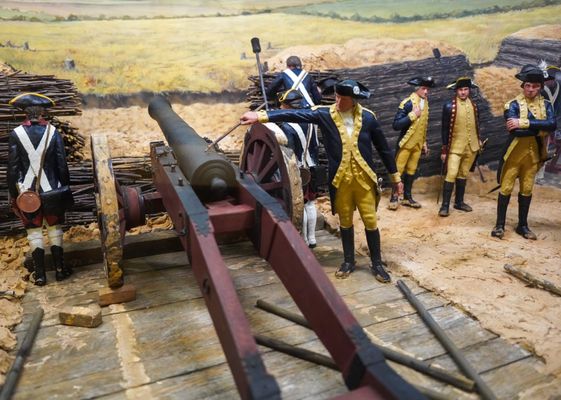
American and French forces arrive near Yorktown and begin constructing trenches around the city.
October 9, 1781
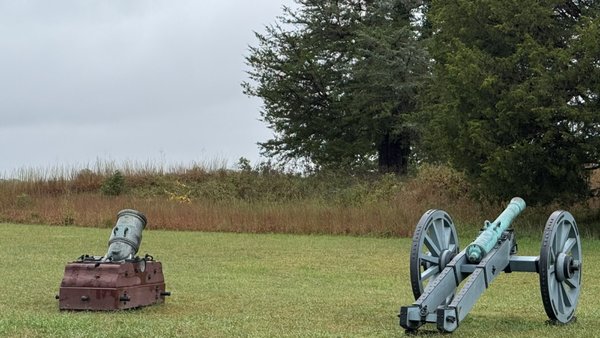
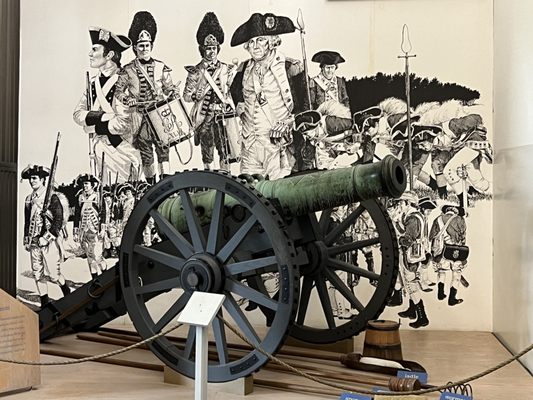
American forces begin to bombard the British within Yorktown, as they now are within musket range. The siege lasts one week.
October 17, 1781
A British drummer boy advances alone on American forces, bearing a sword with a white handkerchief tied to it. This signifies the surrender of British forces. Fighting ceases.
October 19, 1781
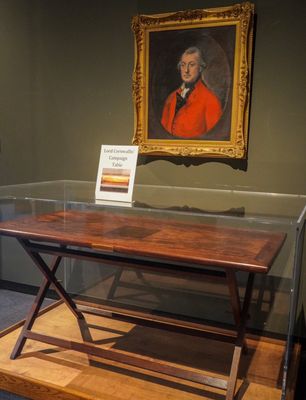
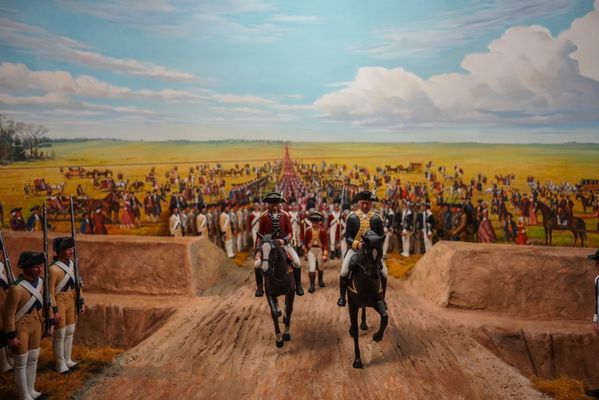
The British forces, under General Cornwallis, requested an honorable surrender, which is denied to them by General Washington. Over 7,000 British forces march between gatherings of French and American soldiers on both sides of the road out of Yorktown, defeated.
The war was over and a new nation was born