Arabia Steamboat Museum
Museum · Kansas City ·
Treasures from a sunken 1856 steamboat, perfectly preserved












Treasures from a sunken 1856 steamboat, perfectly preserved
"I know this isn’t supposed to be a museum guide, but I urge creatives to check it out. Steamboats helped build Kansas City because of easy access to the Missouri and Kansas rivers. The museum is mainly a dip into the past with their collection of restored items from the 1800’s that were found on a sunken ship near Kansas City. Its pretty killer to see how well everything was preserved despite being buried in silt for over 120 years. This museum was super informative and a lot can be learned from it as well as the regions history." - Contrabrand
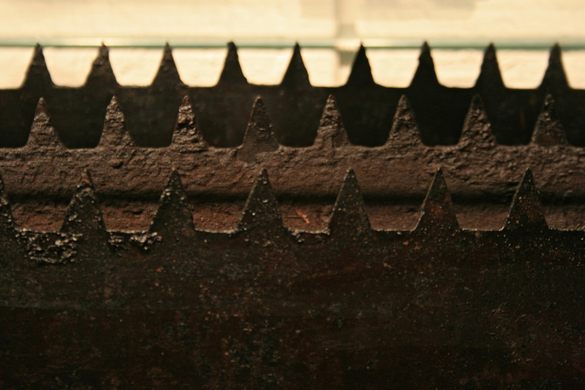
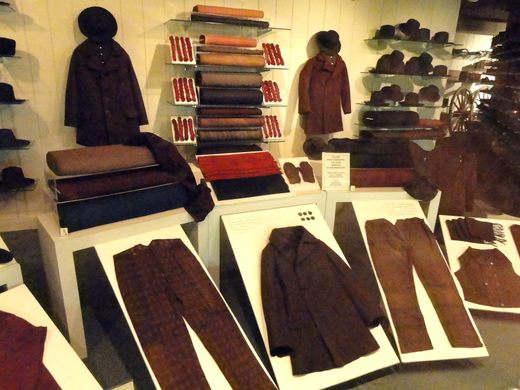
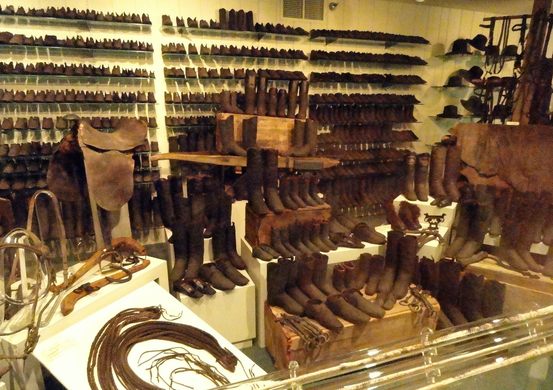
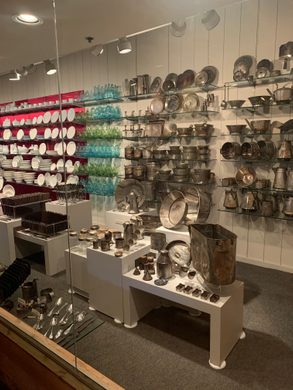
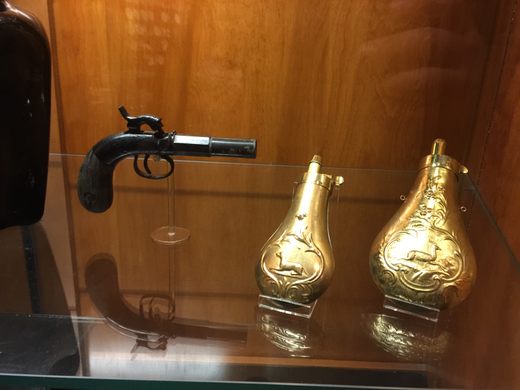
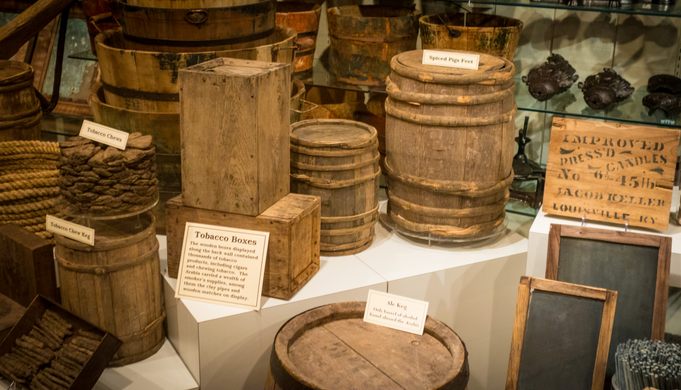
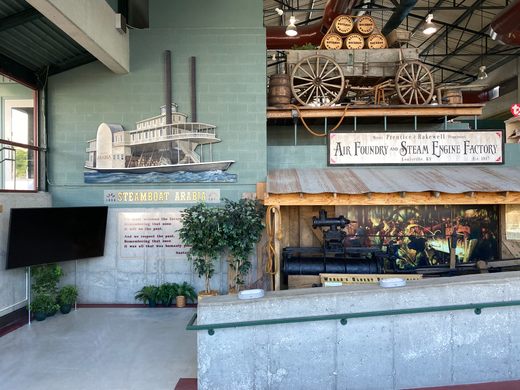
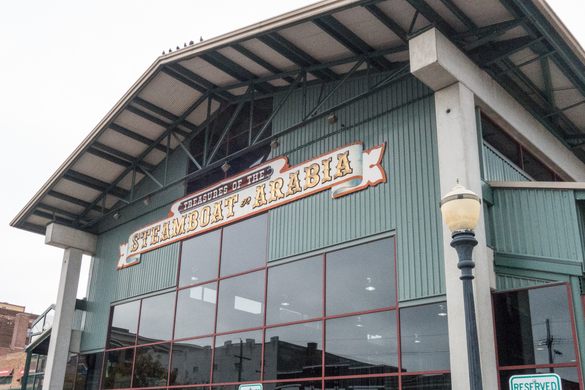
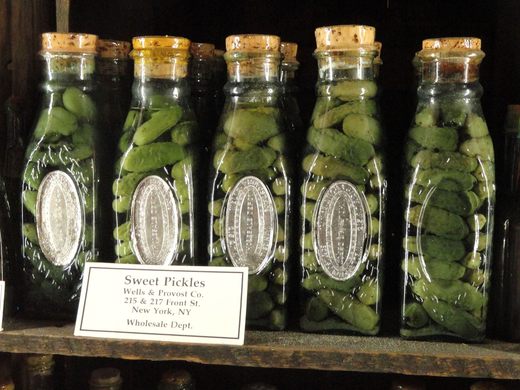
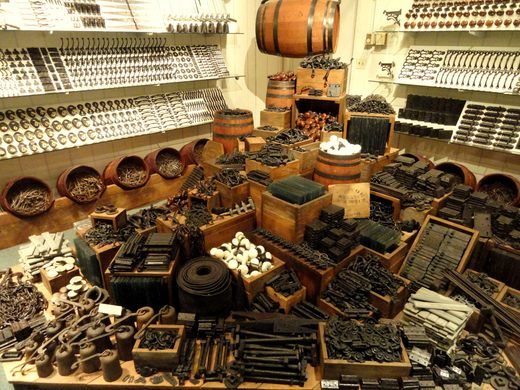
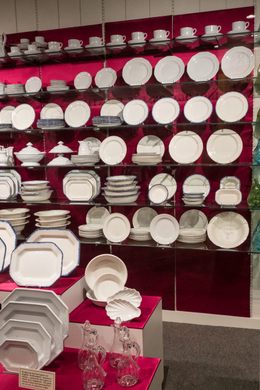
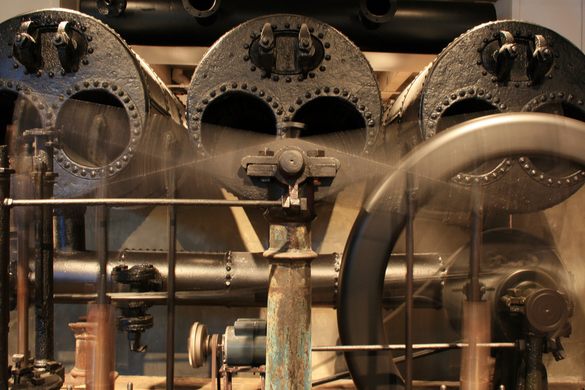
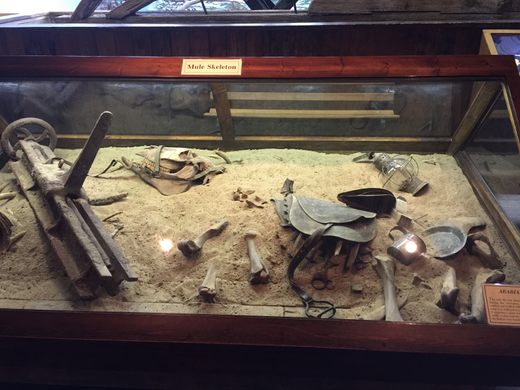
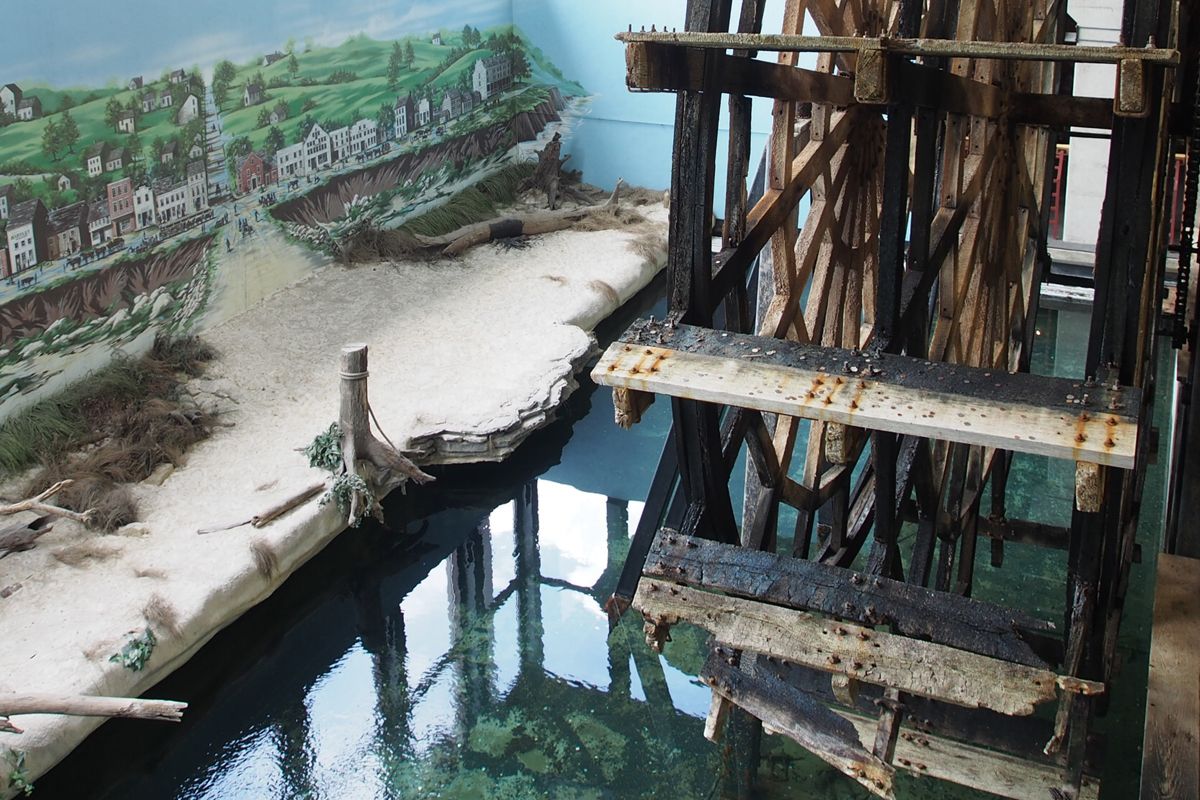
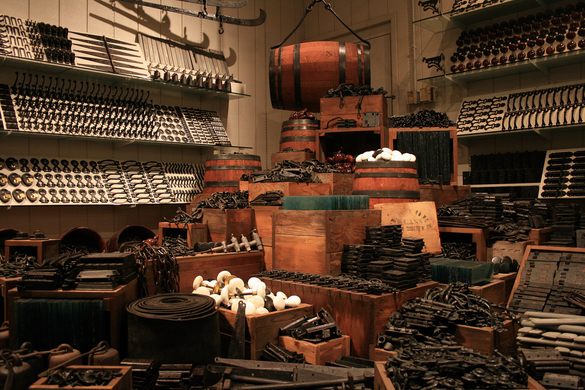
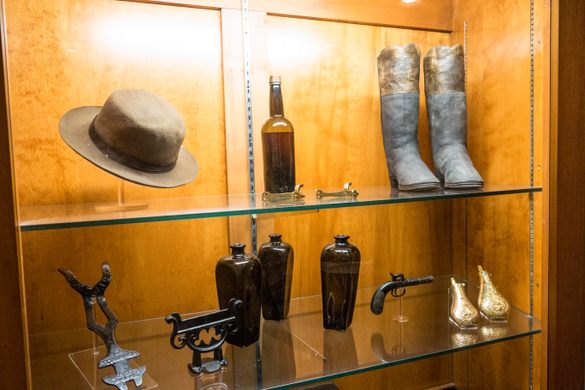
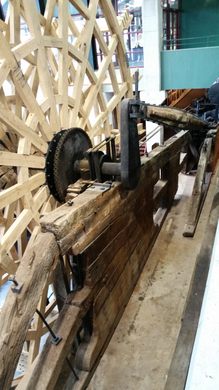
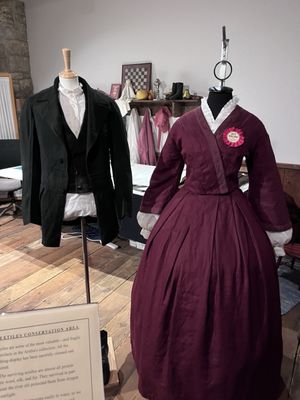
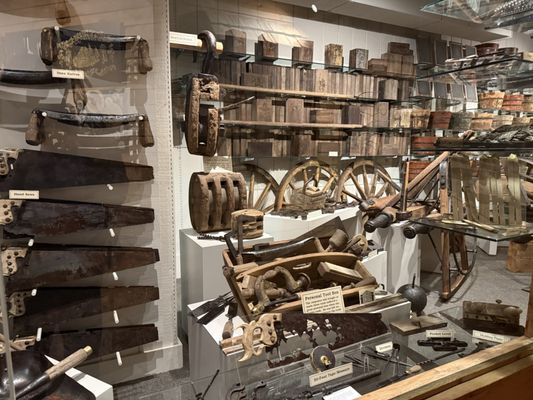
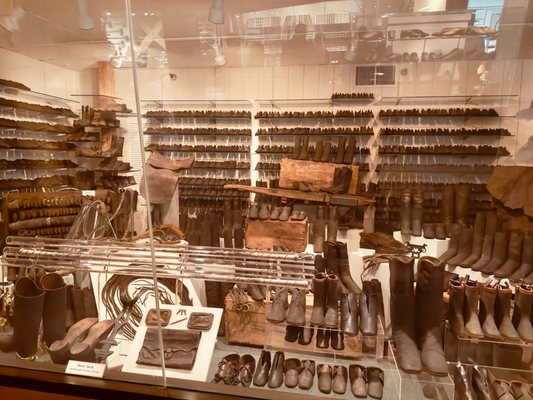
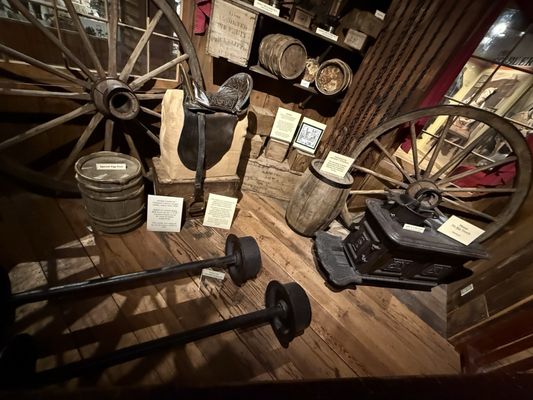
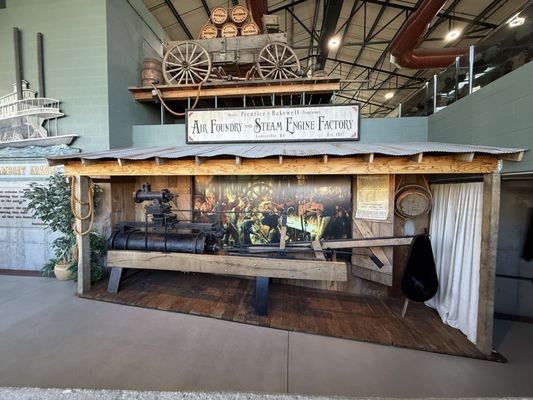
"When the mighty Steamboat Arabia sank near Kansas City on September 5, 1856, it carried 200 tons of mystery cargo intended for general stores along the frontier down to the bottom of the Missouri River. The steamboat was making a routine, slow excursion when it ran into a submerged walnut tree hidden at the bottom of the river. Branches punctured the hull, and within a day the entire boat was sunk. Many attempts to salvage the boat and its cargo were made, but the river’s current was strong enough that it completely covered the vessel, smokestacks and all, within a few days. The Arabia was abandoned at the bottom of the river. For the next century and a half, the ship remained a popular piece of local lore, especially for the Sotor family who owned the property on which the wreck was sunk. In 1987, Bob Hawley and his two sons used old maps and a metal detector to find the ship, which they eventually located beneath a layer of mud and silt. The Hawleys and a handful of family friends, a massive crane, and 20 irrigation pumps began pumping water out of the ditch. Excavation took roughly one year, but as soon as they reached the sunken hull they began uncovering treasure. They found remarkably preserved pioneer clothing, guns, tools, and more. Entire crates of china were perfectly preserved, the straw they were packed in still yellow and dry. There was food which, though probably not appetizing, was still edible, including 29 jars of pickles. The excavators even uncovered the skeleton of the shipwreck’s only casualty: a mule which had been tied to the deck at the time of sinking. Today, all of the Arabia’s cargo is on display at the Treasures of the Steamboat Arabia museum. A re-creation of the boat itself transports visitors back in time. This is the largest single collection of pre-Civil War artifacts, and it provides illuminating insight into the material needs of American pioneers." - ATLAS_OBSCURA
"Steamboat Arabia Museum, Downtown Rivermarket. I know this isn’t supposed to be a museum guide, but I urge creatives to check it out. Steamboats helped build Kansas City because of easy access to the Missouri and Kansas rivers. The museum is mainly a dip into the past with their collection of restored items from the 1800’s that were found on a sunken ship near Kansas City. Its pretty killer to see how well everything was preserved despite being buried in silt for over 120 years. This museum was super informative and a lot can be learned from it as well as the regions history."
One of KC’s most singular sights: an 1856 riverboat’s cargo unearthed from a farm field, displayed in astonishing detail. Watch conservators at work and see everyday frontier life up close inside the City Market district.
A time-capsule museum of 1856 riverboat cargo—preservation lab and artifacts praised by travel editors for offering a vivid look at frontier life right in the River Market.
Jimmy S.
MyInfoTech F.
Susan C.
Ryan R.
Brett J.
Bill
Kameljoe21
Howard G.

Kathy B.

Olivia S.

Gatangalie S.
Hanna R.

Brenda K.

Kingston W.

Paul K.

Rachel H.

clark i.

Bill J.
Sharon S.

Kent C.

Greg J.
Cindy H.

Steve A.

Ed L.

Mark A.

Shawn C.

Brittnie P.

Emily M.

Megan L.

Monica R.

Jessica T.

Carolda E.

Had R.

Tom D.

Lea R.

Ryan W.

Claire P.

Jacob T.

Mere C.
Clarice W.

Melissa A.

Steve S.

Brent B.

Randy J.

D D.

Cathy B.

Paisley T.

Tana A.
Rachel T.

Harold Y.
Jo C.

Janet S.

Sean C.

Scott F.

Asad R.

Kelly R.
Madge V.


