Archaeological Park of Pompeii
Archaeological museum · Pompei ·
Vast archaeological site of a Roman city buried by Vesuvius












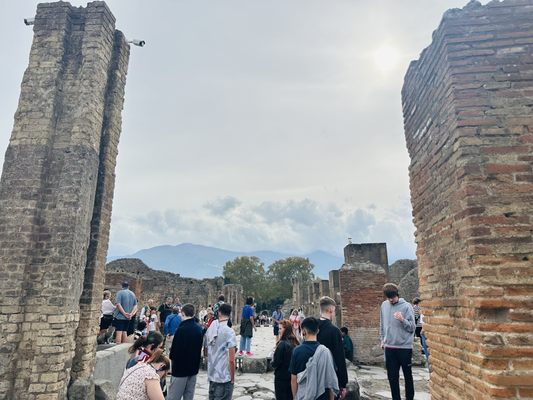


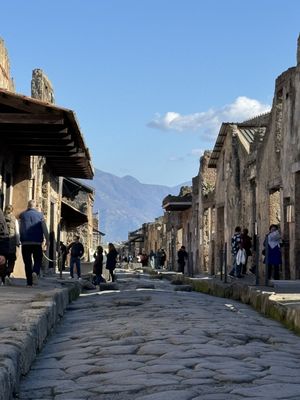
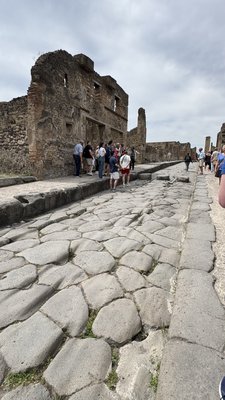

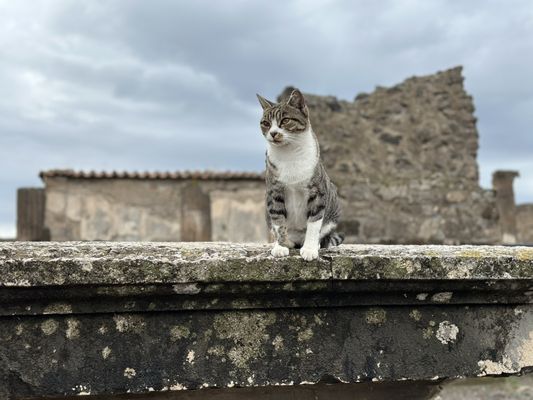


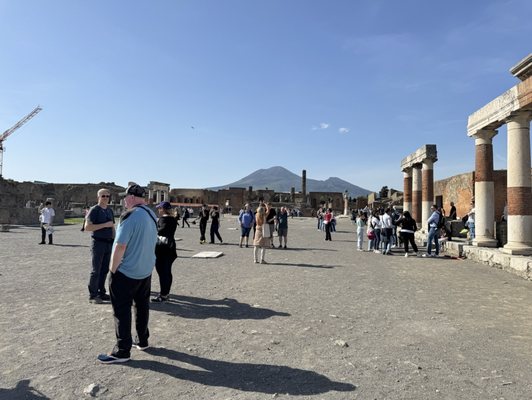

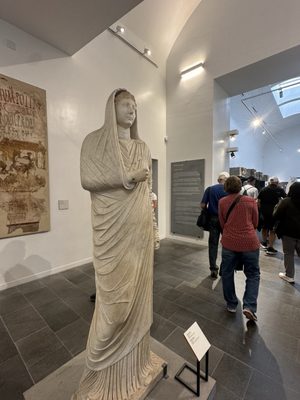

Vast archaeological site of a Roman city buried by Vesuvius
"Exploring in winter avoids the summer heat, making time among the ruins far more comfortable." - Paris Wilson
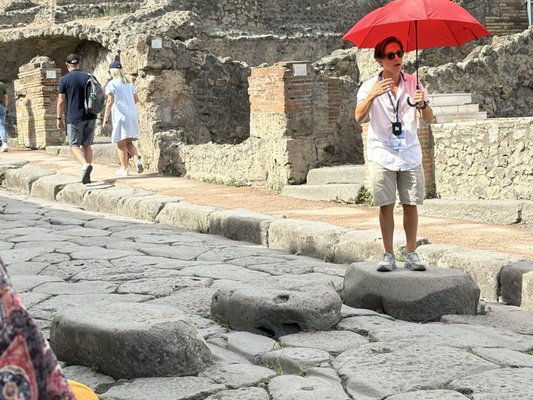
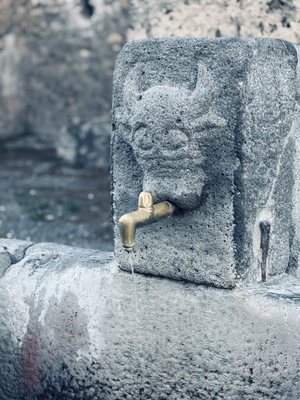
"Visiting the UNESCO World Heritage site on a blazing mid-morning, our guide Patrizia Coco led us across the almost entirely shade-free, 40-acre city to carved-animal drinking fountains that once served as meeting places; she turned exploration into a scavenger hunt for Stella while patiently teaching Leo the difference between basalt and tufa, and the plaster casts of victims — including the haunting shape of a child frozen in terror — transformed the eruption from a story into a wrenching encounter with real people who were literally 'buried alive.'" - Flora Stubbs Flora Stubbs Flora Stubbs is the executive editor of Travel + Leisure. She has been a journalist for over 20 years, and a travel editor for over a decade. Travel + Leisure Editorial Guidelines
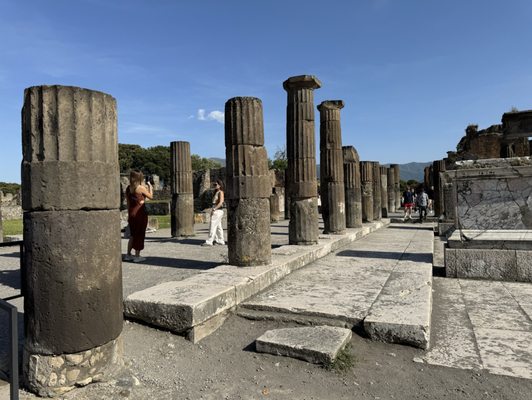
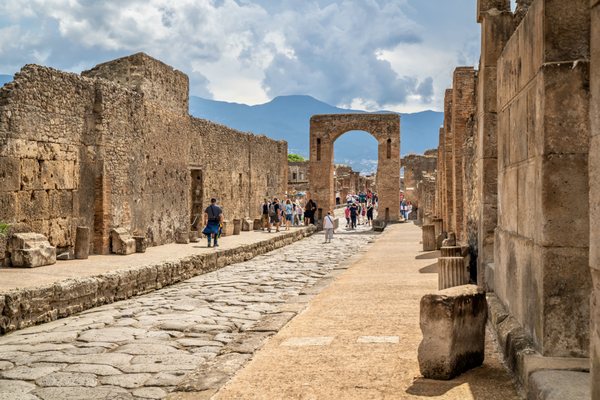
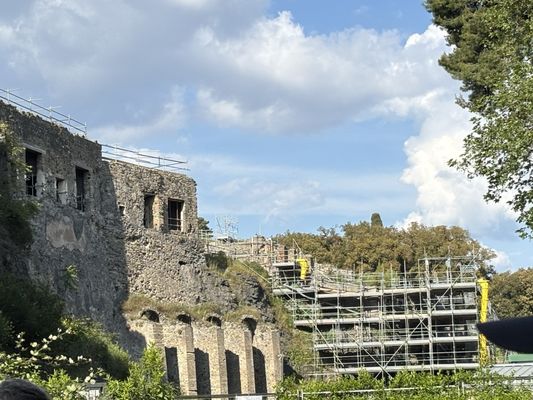
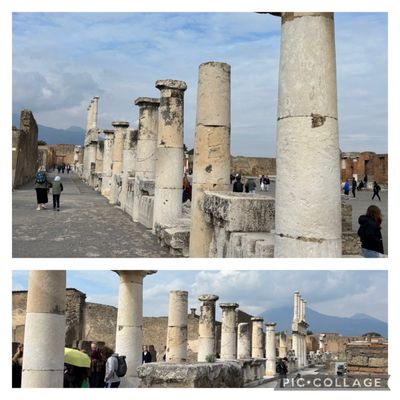
"Visiting the city destroyed by Mount Vesuvius in 79 CE was a lifelong goal for me, and it lived up to expectations: the eruption buried the Roman city in 4–6 meters of ash, freezing buildings, frescoes, streets, pots, and bodies in time and creating one of the best-preserved ancient sites I've seen. With origins as early as the 8th century BCE and a population of over 20,000 by the time of the eruption, Pompeii was a wealthy provincial cultural center with an amphitheater, forum, public baths, temples, aqueducts and expansive villas; the first modern excavations began in 1748 and continue today, with much still unexcavated. I spent a full day exploring but still missed a lot — the site covers over 160 acres and truly needs at least a day (or more if you want to see everything) — and while I found it fascinating, I was disappointed by a lack of upkeep and hope the Italian government does more to prevent further disrepair." - Matthew Kepnes
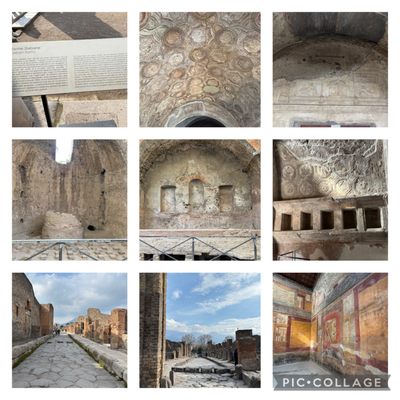
Once a large Roman city now preserved as an archaeological site under volcanic ash, this vast complex continues to reveal extraordinary finds, including a recently unearthed 2,000-year-old private bathhouse described by the director, Dr Gabriel Zuchtriegel, as a ‘once-in-a-lifetime’ discovery. The so‑called ‘Pompeii effect’ is especially strong here, with spaces that feel as if the people had only just left. Archaeologists have spent the last two years excavating an entire residence thought to have belonged to the Pompeiian politician Aulus Rustius Verus, at whose centre lies a spa‑like complex with hot, warm and cold rooms, decorated red walls, a geometric floor and a central plunge pool large enough for 20 to 30 people at once. In one room, a high‑class woman aged between 35 and 50 and a younger, likely low‑class man in his 20s were found where they had barricaded themselves in but were killed by pyroclastic flow, adding a poignant human story to the site’s remarkable state of preservation. It is not yet confirmed whether this newly uncovered area will open for public viewing, so visitors are encouraged to check the latest rules when planning a trip. - Liv Kelly
Eerily fascinating and considered one of Italy’s most visited cultural landmarks, this UNESCO World Heritage Site preserves the ancient city that was blanketed in ash after Mount Vesuvius erupted in 79 AD, leaving remnants of many of its 10,000 residents. Now attracting around four million visitors over the summer, it’s seen as a unique and fragile site whose managers are introducing a daily cap of 20,000 visitors, timed entry, and personalised tickets to manage crowd flow and reduce human pressure that could pose risks to both visitors and the ruins. The aim is to create slow, sustainable, pleasant, non-mass tourism, while encouraging people to explore the wider territory full of cultural jewels around the UNESCO site, including other ancient locations grouped under ‘Greater Pompeii’. - Liv Kelly


