Arènes de Lutèce
Historical place · Saint-Victor ·
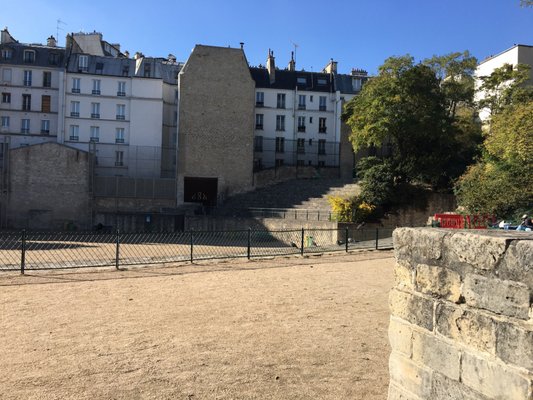
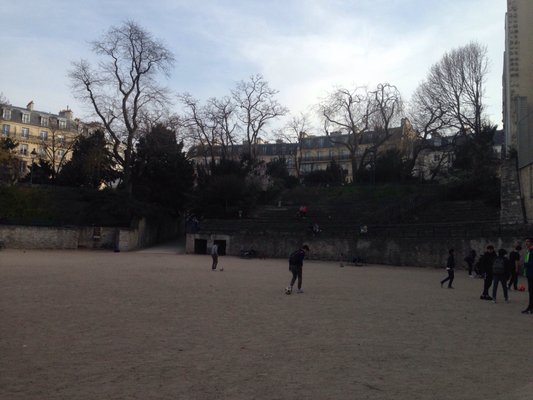
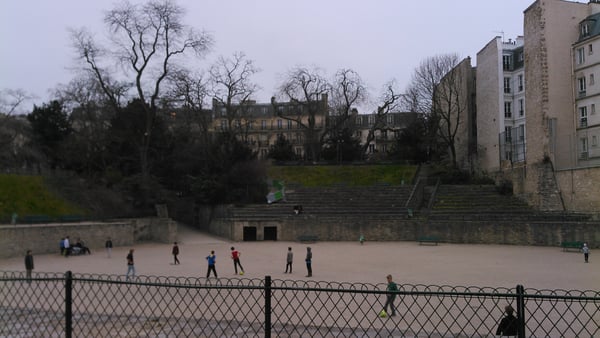
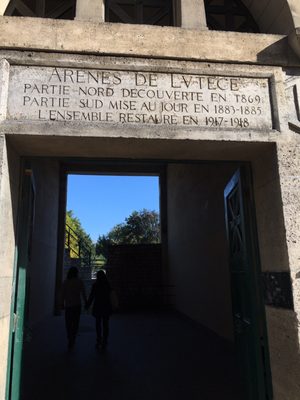
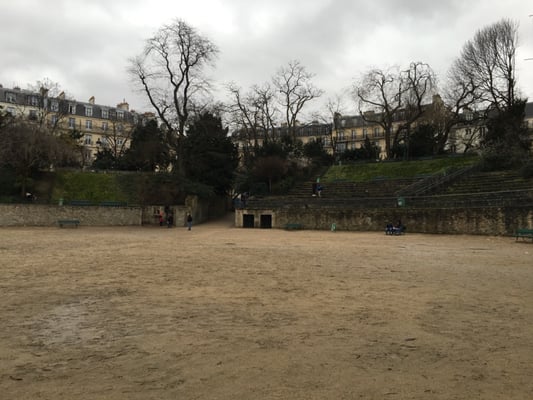
Ancient Roman arena, now a free urban park for locals









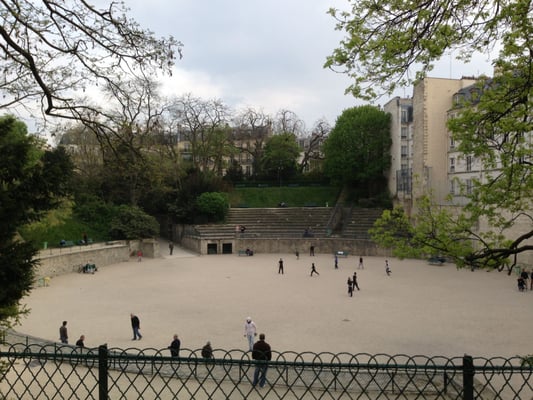


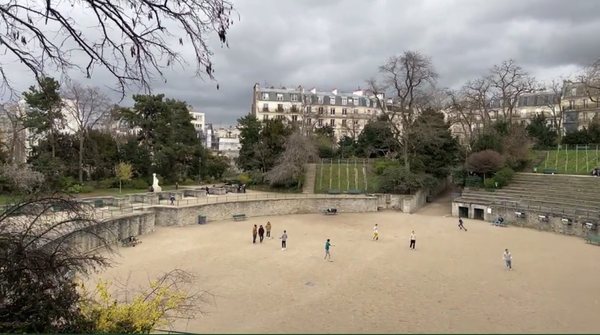


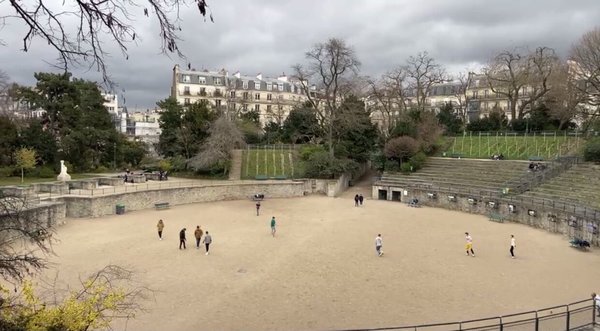




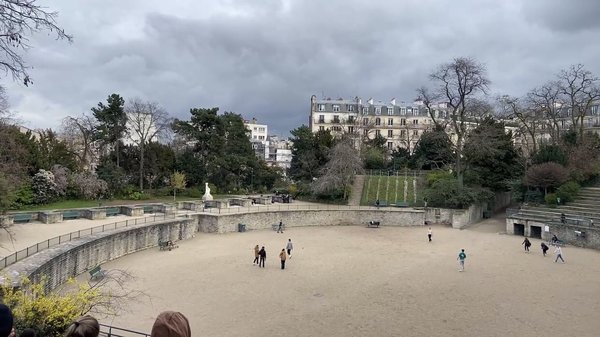
Ancient Roman arena, now a free urban park for locals
"Referenced alongside Lutèce as a model of mid‑century French haute cuisine, La Côte Basque is invoked to situate Les Trois Chevaux within that elegant, nostalgic lineage." - Helen Rosner
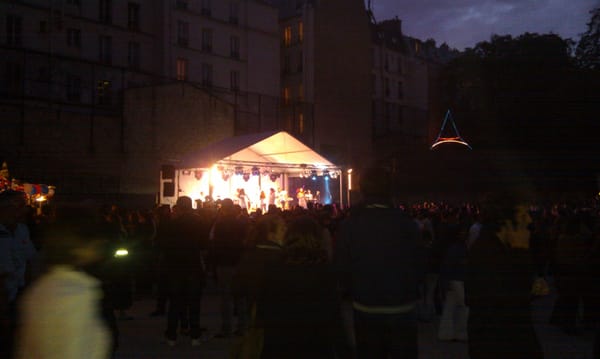
Transformed into a Paralympics fan zone, this historic amphitheatre features giant screens and seating so spectators can watch the events, surrounded by entertainment, food stalls, playgrounds and awareness-raising areas that contribute to a festive sports ambience. - Liv Kelly
Azar
Aubrey G.
Tris R.
Janice K.
Dimitra E.
Mike A.
Mike S.
David R.

Jessica T.

Vanessa J.
Mighty M.

