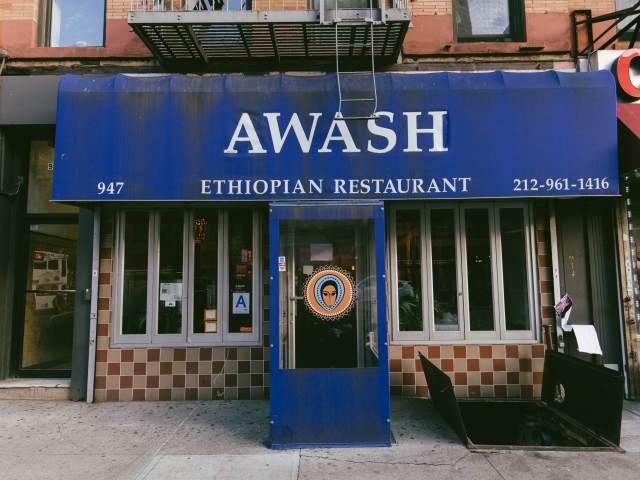
Awash Ethiopian Restaurant
Ethiopian restaurant · Upper West Side ·
Hearty Ethiopian stews, injera bread, vegan options, & sambusas

















Hearty Ethiopian stews, injera bread, vegan options, & sambusas
"With white tablecloths and perfect sambusas, this Upper West Side classic is a great option for a special occasion group dinner when you don’t want to spend hundreds of dollars on an outstanding meal, but still want to have a memorable night. But Awash works equally well for a lowkey date night or a solo meal with an order of their excellent kitfo." - carina finn koeppicus, hannah albertine, nikko duren, sonal shah
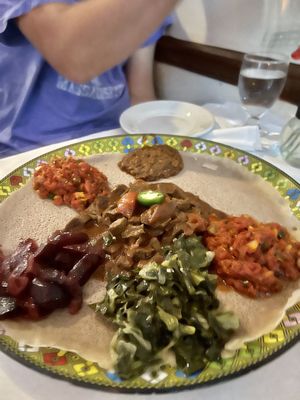
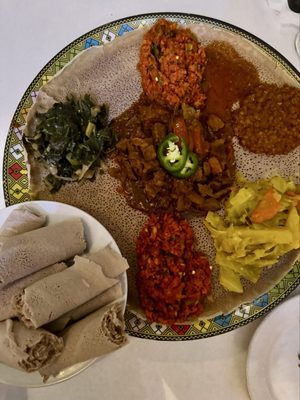
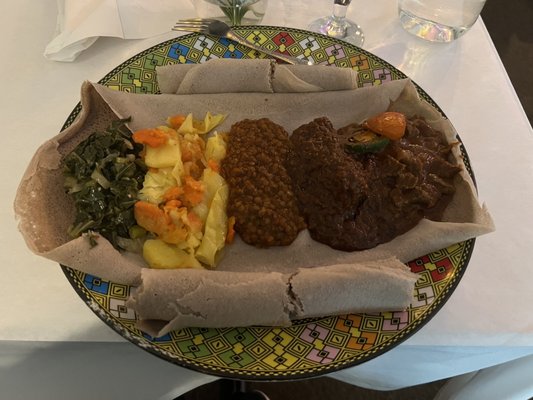
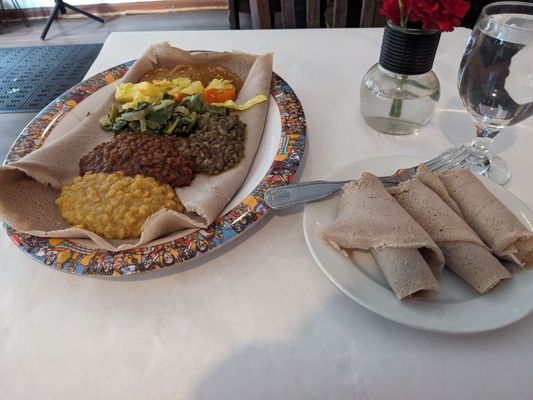
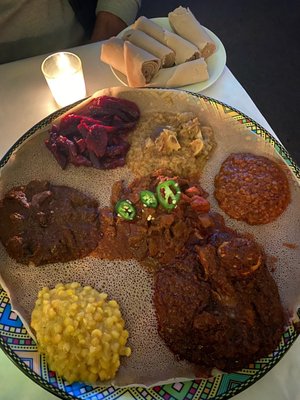
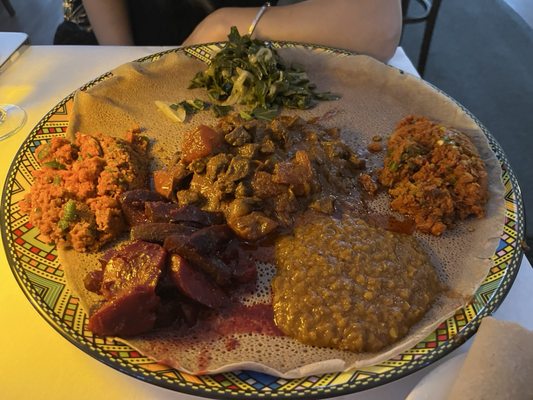
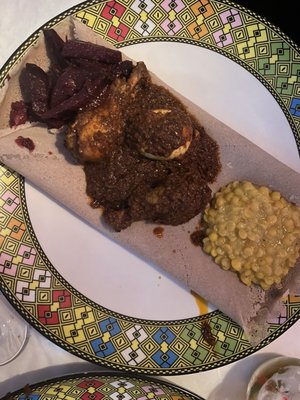
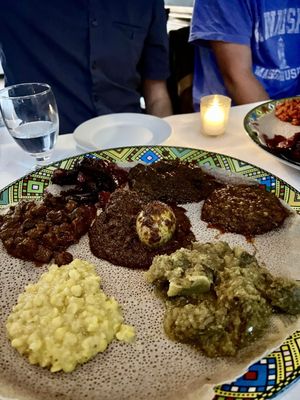
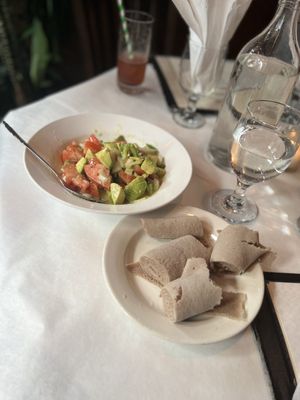
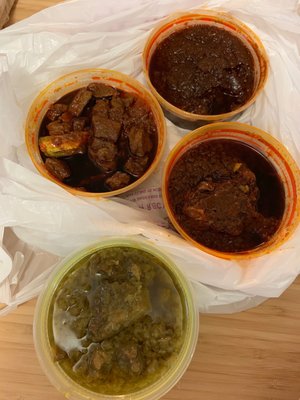
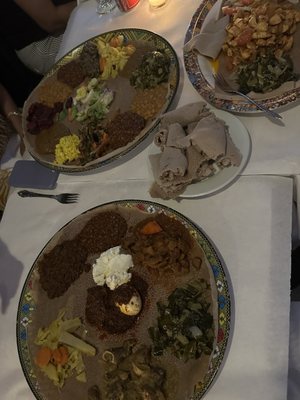
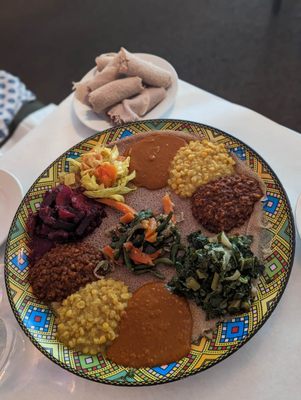
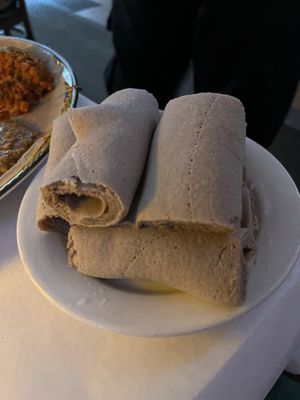
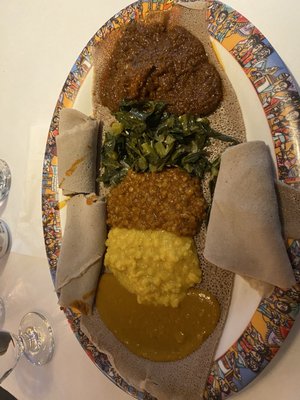
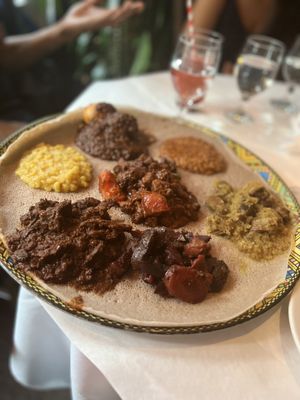
"Usually, we aren’t inclined to assume that the reader (you) will be swapping spit with their dinner partner. But this isn't just any guide, so now we’re here to encourage you and your valentine to communally salivate via Awash’s sampler combo. The meat option comes with your choice of four Ethiopian stews for $20, and there’s also a vegetarian sampler with your choice of five stews for the same price. Awash makes our favorite sambusa in NYC—a crispy triangle filled with ground beef and onions that’s been fried to golden perfection—as well as some crunchy steamed collards that have the ideal level of acid. Of Awash’s two locations, we slightly prefer the Manhattan Valley spot since it’s cozier than the East Village." - hannah albertine
"Awash makes our favorite sambusa we’ve had in NYC - theirs is a crispy triangle filled with ground beef and onions that’s been fried to golden perfection. You can get these sambusas at either of Awash’s two locations in Manhattan - one on the UWS and one in the East Village. Other than the appetizers, Awash has a more extensive range of lamb, fish, beef, chicken, and tofu options than most Ethiopian restaurants in the city. They also serve some crunchy steamed collards that have the ideal level of acid to go with all the spicy and savory flavors in the rest of the meal. If you don’t want to choose one dish, try the meat sampler combo with your choice of four Ethiopian stews for $20, or the vegetable sampler with your choice of five stews for the same price. RESERVE A TABLE" - Hannah Albertine

"Awash makes our favorite sambusa we’ve had in NYC - theirs is a crispy triangle filled with ground beef and onions that’s been fried to golden perfection. You can get these sambusas at either of Awash’s two locations in Manhattan - one on the UWS and one in the East Village. Other than the appetizers, Awash has a more extensive range of lamb, fish, beef, chicken, and tofu options than most Ethiopian restaurants in the city. They also serve some crunchy steamed collards that have the ideal level of acid to go with all the spicy and savory flavors in the rest of the meal. If you don’t want to choose one dish, try the meat sampler combo with your choice of four Ethiopian stews for $20, or the vegetable sampler with your choice of five stews for the same price." - Hannah Albertine
Julie B.
PJ S.
Christina D.
Luke A.
Prami
Emily C
Michele G.
ManhattanNYC

Cyrus A.

Hadiya M.

Ava W.

Nicole K.

Vishnu G.

Paula R.

Juan K.

Sandy J.

Patty J.

Vivienne C.

Ignace M.

Roxane D.

Ana B.

Olivia C.

Iris C.
N. E. K.

Luk W.

Maria M.

Matthew S.

Alicia J.

Spencer K.

Steve A.
Ken B.

Michelle R.

Ashley Z.

Christina S.

Emma M.

Panos H.

Smeeth W.

Dorna N.

Michele G.

Garrett M.

Mizan R.

Whitley D.

Akua W.

Matt L.

Sean A.

Jane D.

Stephanie C.

Preethi N.

Marie S.

Hannah L.

Yonathan W.

Chloe S.

Hannah R.

Breana T.

Heni R.

Vidisha V.

Konyin A.
