Gerald S.
Yelp
Living in the 16th arrondissement as a student could be a bit difficult as it was the expensive part of Paris, and even renting a room in a 19th Century walk up apartment building took a lion's share of my monthly stipend. Yet, from the Jasmin metro stop it was possible to walk a few blocks to my place, or a few streets further to the Bois de Boulogne entrance in the west end of the city. Although far from school close by the Latin Quarter, I came to appreciate the relative peace, quiet and fresh air provided by being beyond the downtown core of the ancient City of Lights. Besides, this neighborhood had its own charm, and I felt like I was part of a community rather than just a student or tourist.
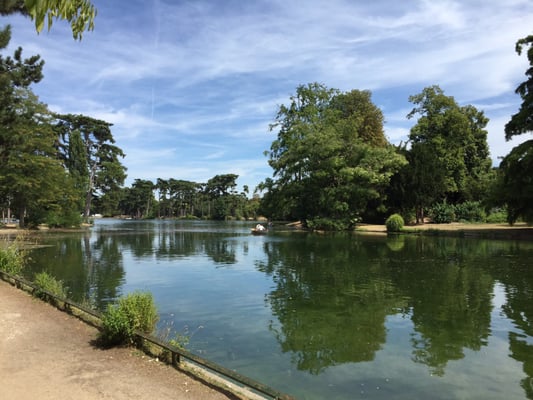
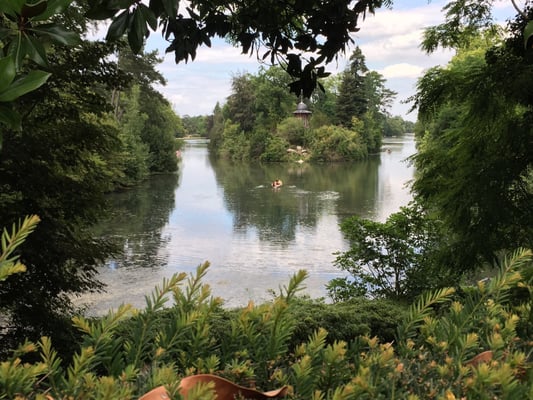
The Bois was the best part of life there. Even if I didn't walk or bike through it daily, I knew it was there. From my bedroom windows the treetops of the park could be seen swaying in the breeze in spring and fall, or standing windless in the hot Parisian summer and in all its bare naked beauty in gray winter. Still, I managed to get there often enough to make it my own playground.
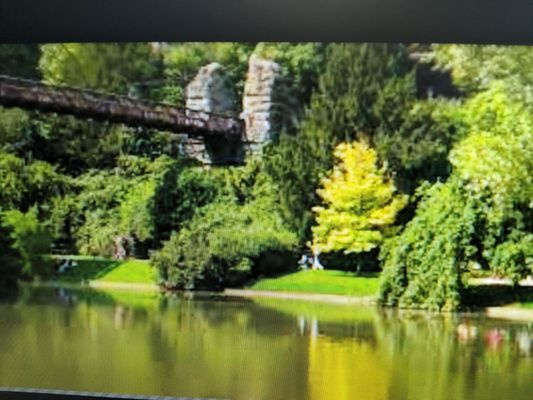
Until 1852 it wasn't yet a public park, although Napoleon III did open its gates to the people of the city before the Revolution took his head a few decades before. Until then it was the Royal domain of the Kings of France, where they hunted and otherwise cavorted with little concern for the common weal. Before that, there had been abbeys and monasteries deep in the forests to allow monks and nuns to commune with their God. There had even been a medieval wall around a large part of the forest to keep unwanted elements from disturbing the peace, and as a safe haven for the royals when city life was too risky for even them. Modern urbanism brought the idea of providing fresh air and a relief from the gritty city existence to the fore, and finally after the worst of the industrial revolution, the value of healthy lifestyles became popular and a people's park was born.
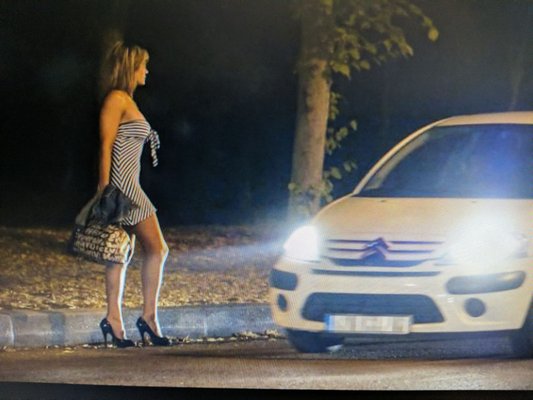
Of course, Paris often ignored its maintenance and security, allowing the unsavories to control activities. Prostitution was the primary form of commerce for many years, and is still present.
But, for me, the best thing about the Bois de Boulogne was that it was the place where I learned to drive a stick shift. My friend taught me on his Renault over several night when the roads were mostly deserted and I was free to grind gears and brake hard at intersections. Once capable, I drove to Amsterdam through Belgium and northern France. A more challenging, yet romantic adventure, I can't recall.
And I owe it all to the Bois de Boulogne.