Vilius P.
Google
Overview
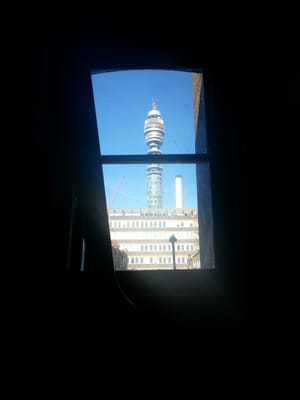
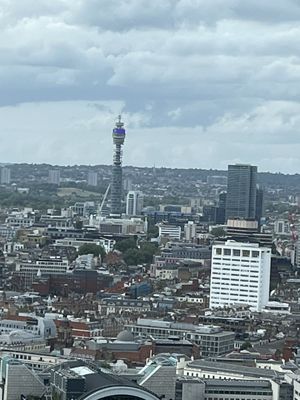
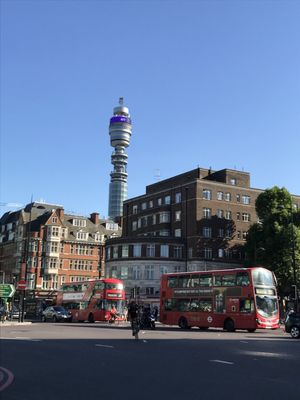
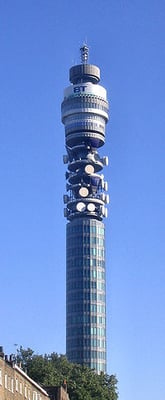
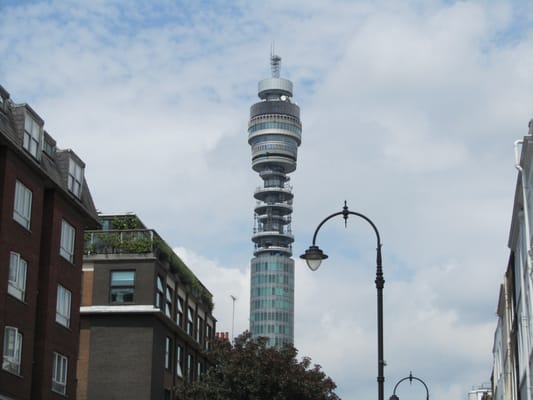
The BT Tower, also known as the Post Office Tower, is a towering presence in London’s skyline. Standing at 189 meters, it’s not just a communication hub but also a symbol of the city’s innovation and progress. Here’s a deep dive into what makes this structure so special.
History and Significance
1. Built in the 1960s: The tower was completed in 1964 and was originally used for telecommunications. Its design was a response to the growing need for efficient communication systems in post-war Britain.
2. Cultural Icon: Beyond its functional role, the BT Tower has become a cultural landmark. It’s often featured in films and TV shows, symbolizing modern London.
3. Historical Events: The tower has witnessed significant events, including the 1971 IRA bombing, which led to increased security measures and its closure to the public for many years.
Visitor Experience
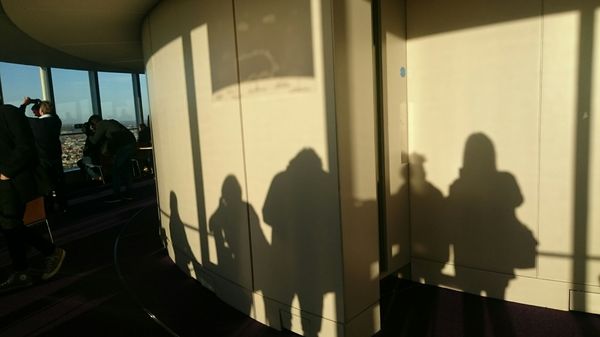
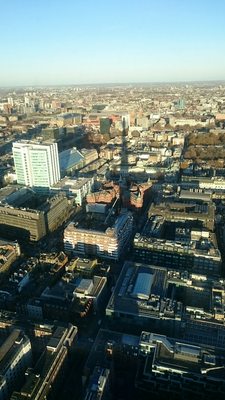
1. Viewing Gallery: While the tower was once open to the public, it has been largely off-limits since the 1980s due to security concerns. However, there have been occasional open days, and when it was accessible, the views were breathtaking—offering a 360-degree panorama of London.
2. Dining Experience: For a time, the BT Tower housed a revolving restaurant, which was a unique dining experience. Imagine enjoying a meal while slowly rotating to see the cityscape change around you!
3. Special Events: Keep an eye out for special events or tours that might pop up. Sometimes, they open the tower for charity events or special occasions, which can be a cool way to experience it again.
Architectural Highlights
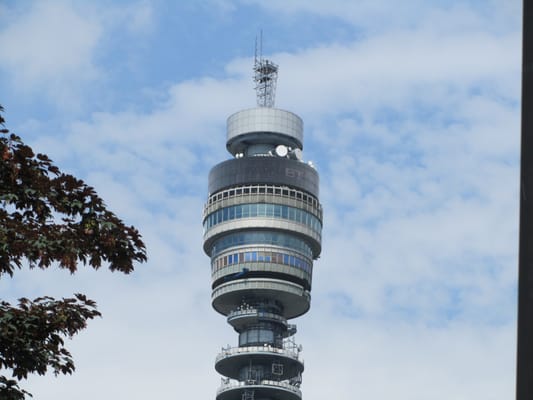
1. Distinctive Design: The BT Tower features a cylindrical shape, which was quite innovative for its time. Its sleek lines and reflective glass make it a modernist masterpiece.
2. Technological Marvel: The tower was one of the first buildings to use microwave transmission technology, which was revolutionary in improving communication services across the UK.
Fun Facts
1. Height Challenge: At one point, the BT Tower was the tallest building in London, but it lost that title to newer skyscrapers over the years.
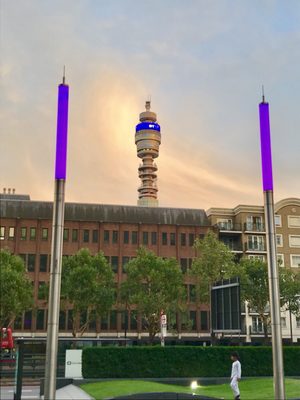
2. Light Shows: Occasionally, the tower is lit up for special occasions, like national holidays or sporting events, adding a festive touch to the London skyline.
Conclusion
The BT Tower is more than just a tall building; it’s a piece of London’s history and a testament to the city’s evolution. Whether you’re a local or a tourist, it’s worth appreciating from a distance, and who knows—maybe one day it’ll open its doors again for visitors to enjoy those amazing views!