Caldo de Piedra
Restaurant · Tlalixtac de Cabrera ·
Pre-Hispanic stone soup cooked with hot river stones, seafood



Information
Carretera al tule Cristóbal Colón 116, 68270 Tlalixtac de Cabrera, Oax., Mexico Get directions
MX$200–300
Pre-Hispanic stone soup cooked with hot river stones, seafood
Carretera al tule Cristóbal Colón 116, 68270 Tlalixtac de Cabrera, Oax., Mexico Get directions
MX$200–300
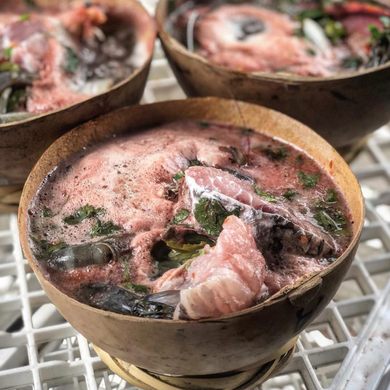
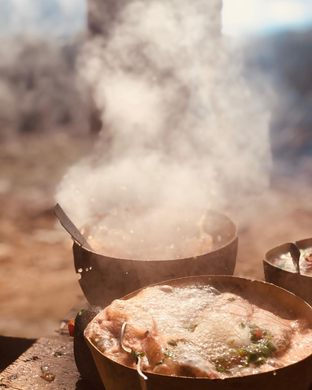
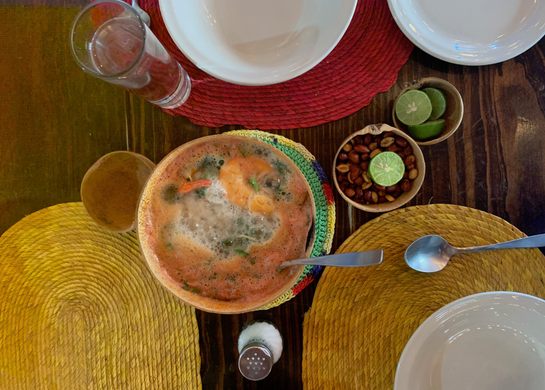
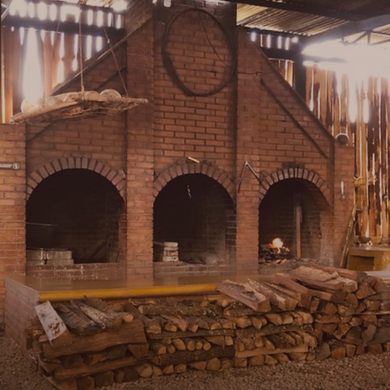
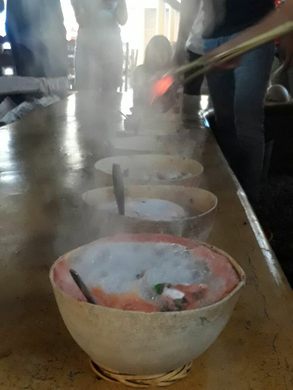
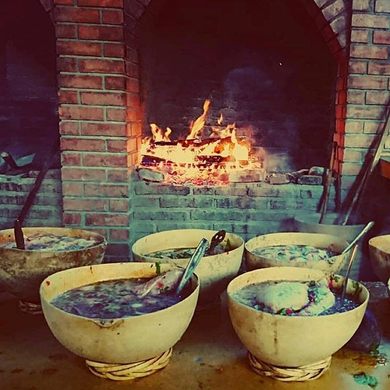
"Caldo de Piedra is deceptively humble. Located a few miles outside Oaxaca City, the small, thatched-roof restaurant is named after its specialty, stone soup. Before it’s cooked, even the soup itself might not look like much. But when the chef plucks the glowing rock from the fire and drops it into a broth swimming with ingredients, the bubbling medley brings an ancient culinary art to life. Caldo de piedra is a staple among northern Oaxaca’s indigenous Chinantec community, especially in the small town of San Felipe Usila. After catching fish and shrimp from the Papaloapan River, men traditionally cook the soup right on the riverbank. Seasoning the broth and protein with tomatoes, onions, lime, cilantro, chiles, and epazote, they add a fire-heated rock that flash-cooks the medley until the fish is tender. In Chinantec villages, the process of fishing, fire-building, and cooking is a community affair dating back centuries, before the arrival of Spanish conquerors. Although water quality in the area has led some locals to buy their fish at the store instead of the river, the tradition endures. If you can’t make it to a riverbank cookout, Caldo de Piedra is the next best thing. César Gachupín, the Chinanteco owner, recreates this communal experience inside his restaurant’s walls. It was a mission he didn’t take lightly: The tradition is so revered that Gachupín secured permission from the elders of San Felipe Usila before he opened the restaurant. While the menu offers other standard Oaxacan fare, such as memelas and tlayudas, save these classics for another time. Made with local fish and cooked on the spot with rocks brought from the river basin, caldo de piedra is an incredibly fresh, savory, aromatic specialty that brings the indigenous flavors of Oaxaca to the table." - ATLAS_OBSCURA
"Caldo de Piedra is deceptively humble. Located a few miles outside Oaxaca City, the small, thatched-roof restaurant is named after its specialty, stone soup. Before it’s cooked, even the soup itself might not look like much. But when the chef plucks the glowing rock from the fire and drops it into a broth swimming with ingredients, the bubbling medley brings an ancient culinary art to life. Caldo de piedra is a staple among northern Oaxaca’s indigenous Chinantec community, especially in the small town of San Felipe Usila. After catching fish and shrimp from the Papaloapan River, men traditionally cook the soup right on the riverbank. Seasoning the broth and protein with tomatoes, onions, lime, cilantro, chiles, and epazote, they add a fire-heated rock that flash-cooks the medley until the fish is tender. In Chinantec villages, the process of fishing, fire-building, and cooking is a community affair dating back centuries, before the arrival of Spanish conquerors. Although water quality in the area has led some locals to buy their fish at the store instead of the river, the tradition endures. If you can’t make it to a riverbank cookout, Caldo de Piedra is the next best thing. César Gachupín, the Chinanteco owner, recreates this communal experience inside his restaurant’s walls. It was a mission he didn’t take lightly: The tradition is so revered that Gachupín secured permission from the elders of San Felipe Usila before he opened the restaurant. While the menu offers other standard Oaxacan fare, such as memelas and tlayudas, save these classics for another time. Made with local fish and cooked on the spot with rocks brought from the river basin, caldo de piedra is an incredibly fresh, savory, aromatic specialty that brings the indigenous flavors of Oaxaca to the table. None" - Sam OBrien
"A family-run restaurant in Tlalixtac de Cabrera, Oaxaca, has been preparing pre-Hispanic regional foods for about 22 years and is named for its signature stone-cooked soup: a broth of shallots, onions, cilantro, epazote, peppers, fish, and shrimp poured into a hollowed gourd (jícara) into which hot river stones are dropped to finish cooking. The Gachupín Velasco family preserves a generational recipe and practice that traces back millennia (the preparation is linked to around 5,000 B.C.); traditionally the stones are heated over a riverside fire for roughly 30 minutes and are used only once because they break. The dish is a cultural symbol of perseverance among Chinanteco speakers (a language predating the Spanish conquest and uncommon in the U.S. outside Staten Island), and the restaurant — which did a pop-up in New Orleans in 2016 — is making its first trip to Chicago to demonstrate the technique and bring stones from Oaxaca." - Ashok Selvam
Miguel S.
Ton V
Marithe Denys S.
Ambitious N.
Jo A.
Musicians M.
elsa D.
Glenda C

