Château de Chenonceau
Castle · Chenonceaux ·
Elegant château spanning the river Cher with stunning gardens
















Elegant château spanning the river Cher with stunning gardens
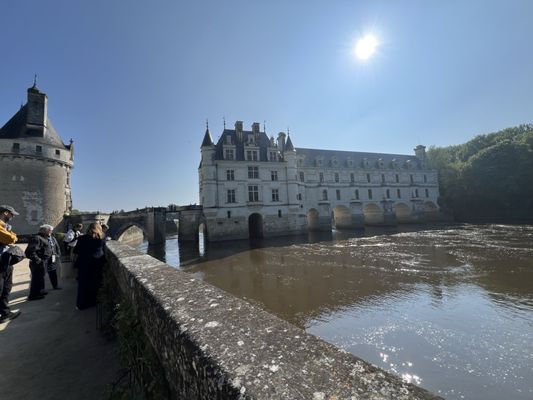
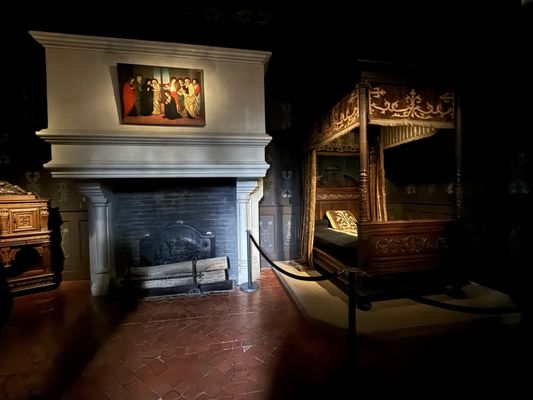
"Also known as the Château des Dames, this poster-child of the Loire spans the Cher River and rewards ample time to explore its blend of medieval and Renaissance architecture, glorious interiors and ravishing gardens. Plan at least a morning, with a restorative pause at the tearoom or crêperie, and consider a magical river perspective—either on a La Bélandre boat ride to admire the château’s famous reflection or at the helm of an electric boat you can captain yourself." - Jennifer Ladonne
"Chenonceau Castle near the small village of Chenonceaux, France spans the River Cher and was built sometime around the 11th century." - Travel + Leisure Editors
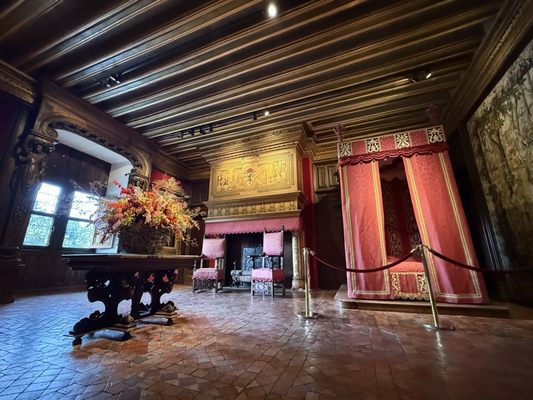
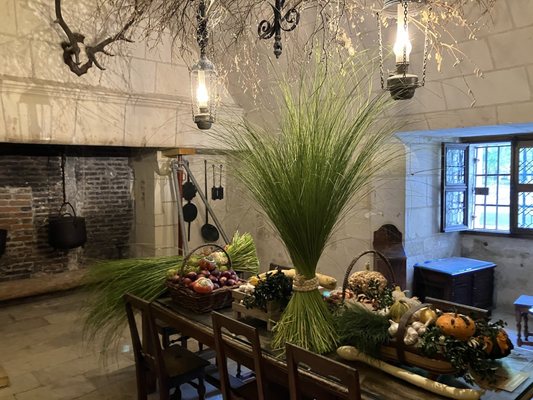
"Château de Chenonceau is one of France’s most striking and visited sites. Nicholas Tolman, an American designer, uses traditional gardening methods to maintain the gardens and decorates the inside with seasonal bouquets." - Kristin Braswell
"Walking through a forest that opens onto two historically maintained gardens, I was struck by this thin château spanning the river—built on an old mill and later extended across the water with a grand gallery commissioned by Catherine de’ Medici after Diane de Poitiers originally laid out the gardens. The gardens are marvelous in bloom (still in Diane’s original design) and the grounds even include a small maze, but the interior rooms are long and narrow, well preserved yet often very crowded because of their size. Beyond its beauty, Chenonceau has a rich and sometimes haunting history—it divided Vichy and German-controlled France in WWII and was used to smuggle Jews to safety. Admission is 15.50 EUR; it’s about a 35-minute train ride from Tours." - Matthew Kepnes
bianca F.
Koen
Alan Y.
Gerard P.
James J.
Jim R.
mirela P.
Summer C.
Linz Anne J.

Marlon T.

Boon C.

Gerry T.

Dee N.

Debbie E.

Adrienne G.

Anne S.

Sean M.

John B.

Melissa L.

Tina C.
Millie S.

Emma C.

Alison J.

Hknz H.

Yonnie C.

Nola G.

Donna G.

Stephen N.

Lucille F.

Anu M.

Sarah K.

Flory W.

Derek W.

Nadine F.

Don D.

Jennifer C.

Janet L.

Olivia D.

Ethan P.

Inge W.

Stefan B.

Ashley B.

Qype User (.

Qype User (.

Alit E.

Aymie R.

Qype User (.
Qype User (.


