Chocolatería La Rifa
Chocolate cafe · Juarez ·
Bean-to-bar chocolate, traditional drinking chocolate, unique flavors




















Bean-to-bar chocolate, traditional drinking chocolate, unique flavors
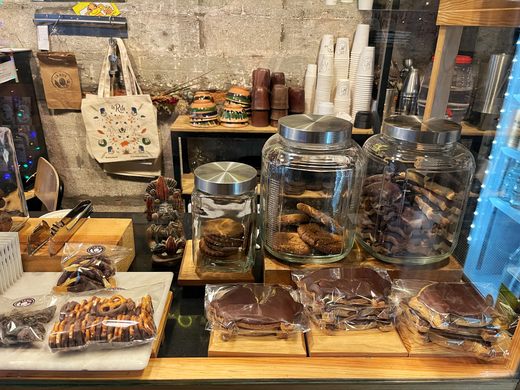
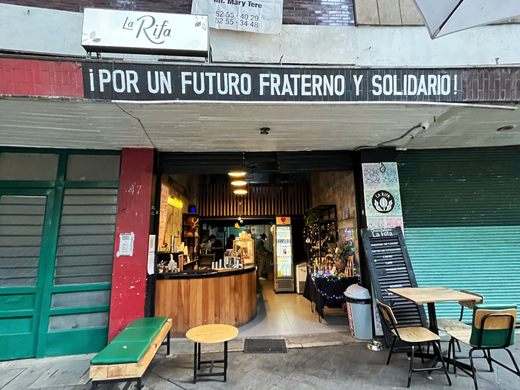
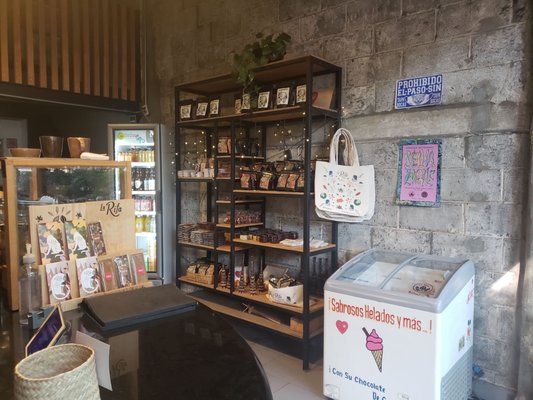
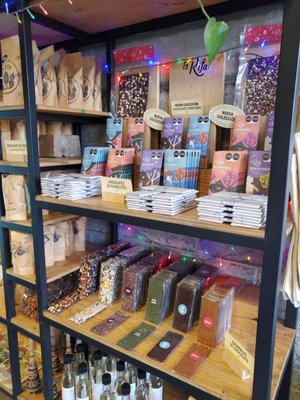
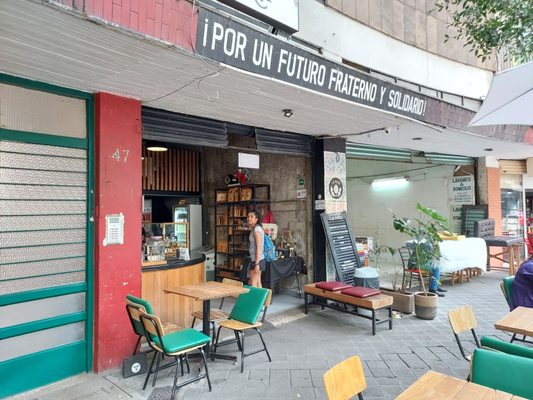
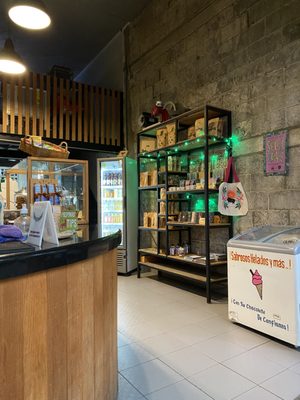
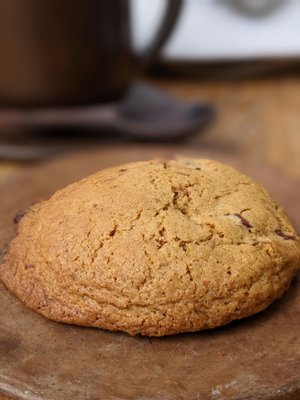
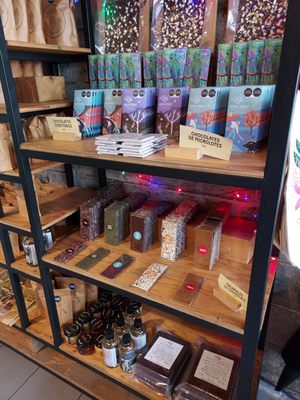
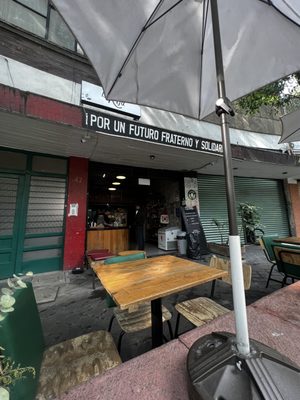
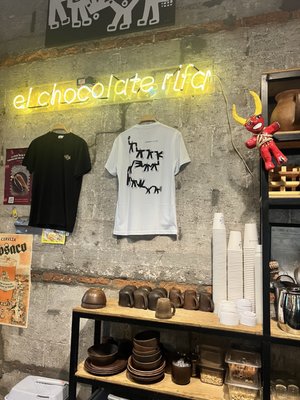
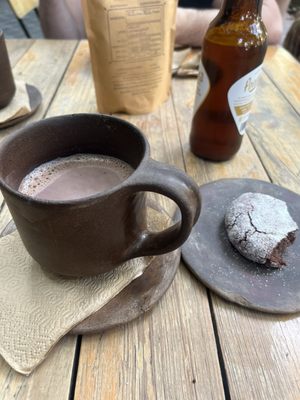
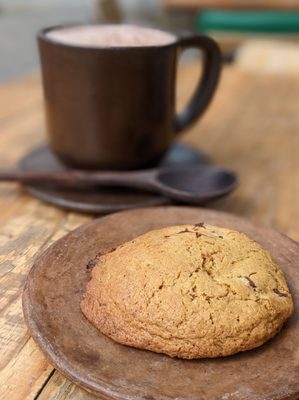
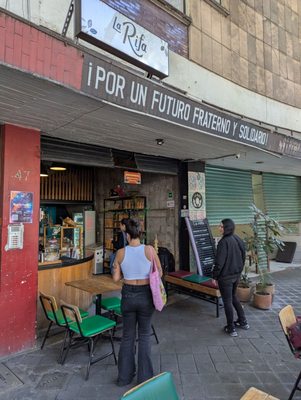
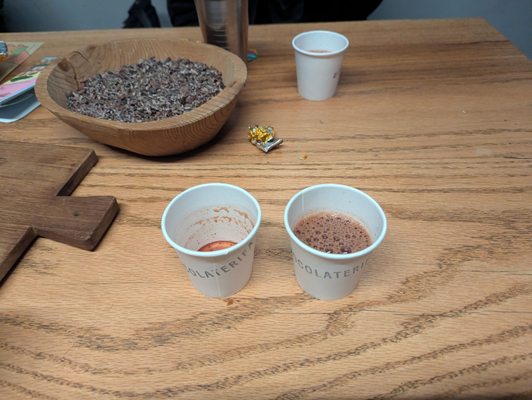
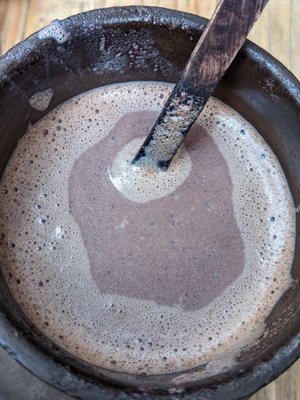
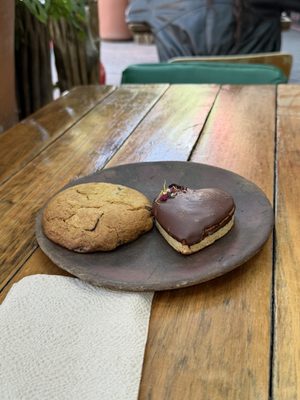
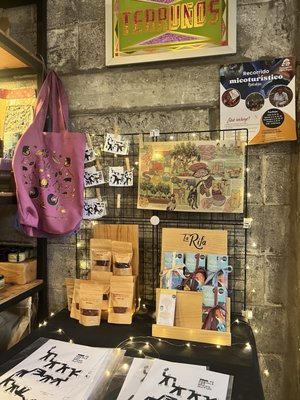
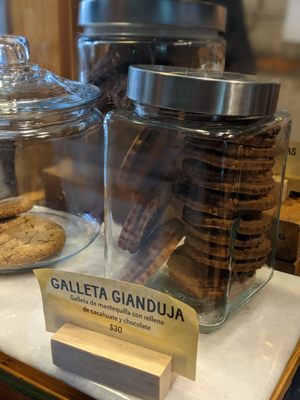
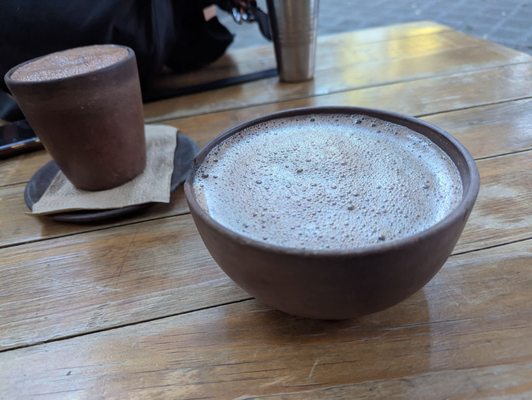
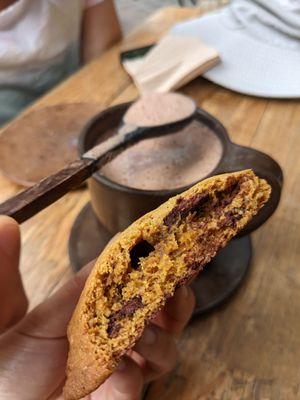
"Indigenous to Mexico, cacao has been consumed in the country and played an important role in Mesoamerican societies since 19th BCE; La Rifa continues the tradition with a small roaster on-site. There are a handful of tables sprinkled in the tree-shaded plaza out front, optimal perches for spending an hour or two. Ask to see the production in the back and they will most likely give a tour. Mexico is proud of their chocolate heritage, and at La Rifa it shows. Locals, hippies, chocolate fans, and a few food tours stop here. The main event is sipping chocolates. The water-based chocolates are closest to how cacao was consumed, pre-Columbian, before the introduction of the Spanish (and thus cows and milk). The cacao also gets transformed into various fermented and “washed chocolates,” high-percentage single-origin bars, chocolate tamales, and cookies. La Rifa is a great place to pick up souvenirs for all of your friends back home." - Scarlett Lindeman

"La Rifa is a family farm in Mexico known for growing chocolate. It played a crucial role in training Sleep Walk Chocolateria staff in the art of chocolate making and has been supported by Dark Matter Coffee to continue operations during challenging times." - Nylah Iqbal Muhammad
"What were your first impressions when you arrived? Indigenous to Mexico, cacao has been consumed in the country and played an important role in Mesoamerican societies since 19th BCE; La Rifa continues the tradition with a small roaster on-site. There are a handful of tables sprinkled in the tree-shaded plaza out front, optimal perches for spending an hour or two. Ask to see the production in the back and they will most likely give a tour. What’s the crowd like? Mexico is proud of their chocolate heritage, and at La Rifa it shows. Locals, hippies, chocolate fans, and a few food tours stop here. What should we be drinking? The main event is sipping chocolates. The water-based chocolates are closest to how cacao was consumed, pre-Columbian, before the introduction of the Spanish (and thus cows and milk). Main event: the food. Give us the lowdown—especially what not to miss. The cacao also gets transformed into various fermented and “washed chocolates,” high-percentage single-origin bars, chocolate tamales, and cookies. La Rifa is a great place to pick up souvenirs for all of your friends back home. And how did the front-of-house folks treat you? They're happy to explain the finer nuances of their roasting process, flavor-profiles, and history of Mexican chocolate—and worth tipping 20 percent. What’s the real-real on why we’re coming here? A casual afternoon pick-me up, a cute shop for bringing home gifts in great packaging, and sustainably sourced chocolate." - Scarlett Lindeman
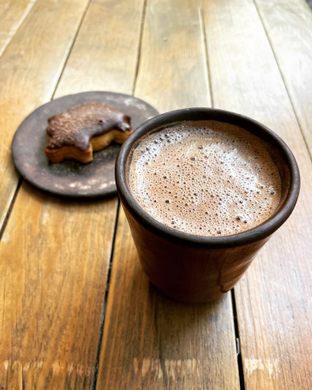
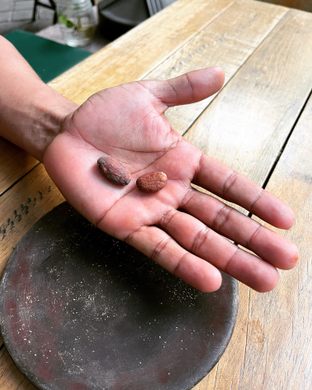
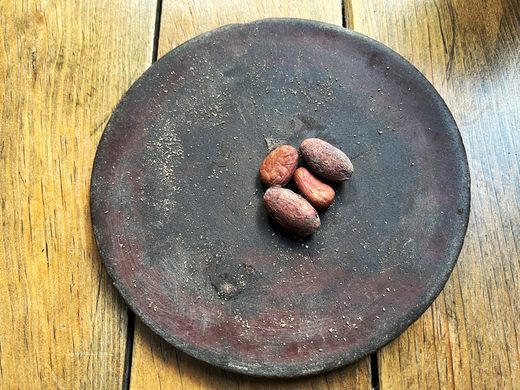
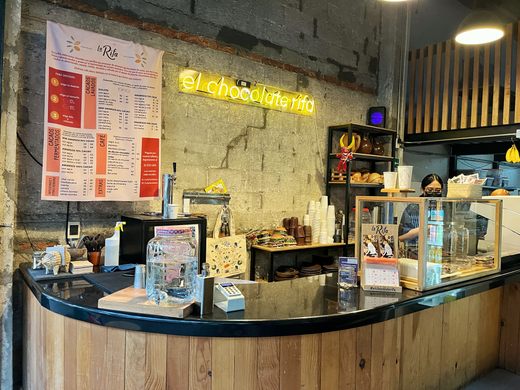
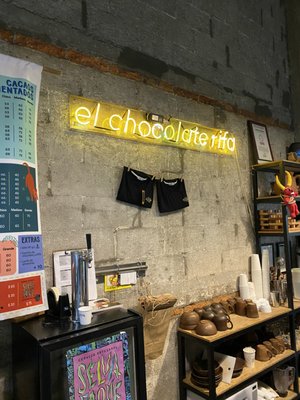
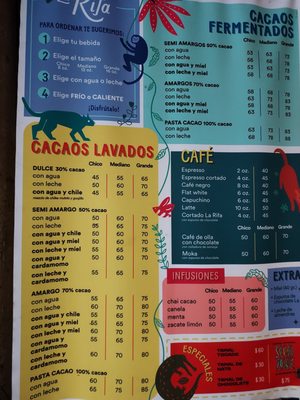
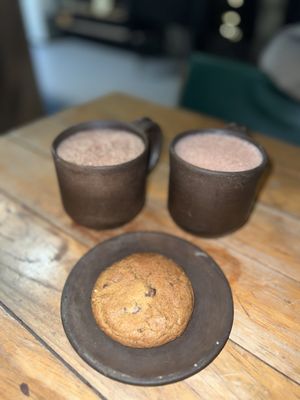
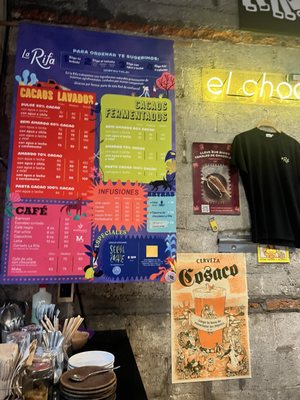
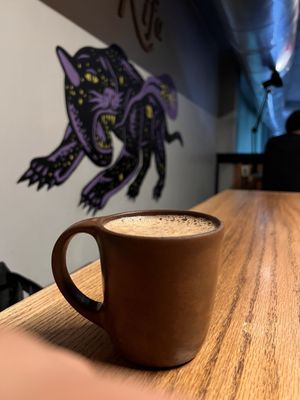
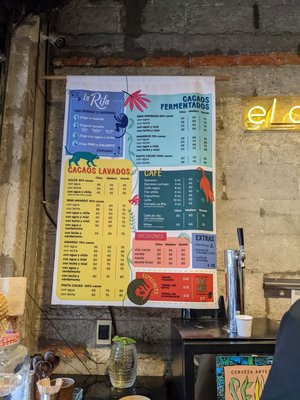
"While plenty of places offer single-origin chocolate, this confectionery in the Juárez neighborhood of Mexico City takes the concept to the next level. At La Rifa Chocolatería, every aspect of the supply chain is traceable and transparent. Ask where the honey, unrefined piloncillo sugar, or, of course, cacao nibs come from and the staff here can rattle off not only its microregion and village of origin, but also the names of the producers who made it. Since starting the business in 2012, co-founders Daniel Reza and Monica Ortiz Lozano have been committed to working exclusively with small, ethical producers. Virtually all of the cacao beans here come from farms in Chiapas and Tabasco. Both regions have ideal climatic conditions for growing cacao, but high levels of unemployment and poverty. Large, multinational chocolate-producing conglomerates have traditionally passed little of the profits back to the farmers behind their product—an inequitable structure that Reza and Lozano are determined to combat. Impeccable sourcing is just one part of the equation here. Reza and Lozano draw on Mexico’s ancient history with these beans. Mesoamerican people from the Olmecs to the Mayans and Aztecs fermented and ground cacao into a frothy beverage. Cacao pots have been found in Mayan tombs and according to some records, a woman needed to prove her mettle with cacao-making in order to be considered a desirable bride. At La Rifa Chocolatería, all of the cacao bars and drinking chocolate state whether the beans were washed and unfermented, or the exact length of their fermentation time. Garnished with edible flowers, powdered hoja santa, crushed cacao nibs, or salty pretzels, the chocolates are as eye-catching as they are flavorful. The result of all this conscious cacao curation is chocolate so good that renowned chef René Redzepi decided to offer it at Noma after using it for his Mexican pop-up. Unlike a trip to the Michelin-starred restaurant in Copenhagen, a mug of hot chocolate here will only set you back a few bucks, or around 30 to 60 pesos. Wildly complex and pleasantly gritty with pieces of unconched chocolate, this stuff is to Swiss Miss what artisanal sourdough is to Wonderbread. If the sheer selection seems overwhelming, the friendly staff can walk you through the subtle differences. Choose from more than a dozen permutations, with chocolates ranging in cacao percentages from dulce and semi-amargo, with 50 percent, all the way up to amargo (bitter), with pure nibs. Opt for washed or fermented beans, brewed with water, milk, or almond milk, and infused with cardamom, honey, or a mix of guajillo and mulato chiles. Whatever you order, be sure to get a marranitos, a traditional pig-shaped cookie sweetened with piloncillo, alongside for dipping." - ATLAS_OBSCURA
"While plenty of places offer single-origin chocolate, this confectionery in the Juárez neighborhood of Mexico City takes the concept to the next level. At La Rifa Chocolatería, every aspect of the supply chain is traceable and transparent. Ask where the honey, unrefined piloncillo sugar, or, of course, cacao nibs come from and the staff here can rattle off not only its microregion and village of origin, but also the names of the producers who made it. Since starting the business in 2012, co-founders Daniel Reza and Monica Ortiz Lozano have been committed to working exclusively with small, ethical producers. Virtually all of the cacao beans here come from farms in Chiapas and Tabasco. Both regions have ideal climatic conditions for growing cacao, but high levels of unemployment and poverty. Large, multinational chocolate-producing conglomerates have traditionally passed little of the profits back to the farmers behind their product—an inequitable structure that Reza and Lozano are determined to combat. Impeccable sourcing is just one part of the equation here. Reza and Lozano draw on Mexico’s ancient history with these beans. Mesoamerican people from the Olmecs to the Mayans and Aztecs fermented and ground cacao into a frothy beverage. Cacao pots have been found in Mayan tombs and according to some records, a woman needed to prove her mettle with cacao-making in order to be considered a desirable bride. At La Rifa Chocolatería, all of the cacao bars and drinking chocolate state whether the beans were washed and unfermented, or the exact length of their fermentation time. Garnished with edible flowers, powdered hoja santa, crushed cacao nibs, or salty pretzels, the chocolates are as eye-catching as they are flavorful. The result of all this conscious cacao curation is chocolate so good that renowned chef René Redzepi decided to offer it at Noma after using it for his Mexican pop-up. Unlike a trip to the Michelin-starred restaurant in Copenhagen, a mug of hot chocolate here will only set you back a few bucks, or around 30 to 60 pesos. Wildly complex and pleasantly gritty with pieces of unconched chocolate, this stuff is to Swiss Miss what artisanal sourdough is to Wonderbread. If the sheer selection seems overwhelming, the friendly staff can walk you through the subtle differences. Choose from more than a dozen permutations, with chocolates ranging in cacao percentages from dulce and semi-amargo, with 50 percent, all the way up to amargo (bitter), with pure nibs. Opt for washed or fermented beans, brewed with water, milk, or almond milk, and infused with cardamom, honey, or a mix of guajillo and mulato chiles. Whatever you order, be sure to get a marranitos, a traditional pig-shaped cookie sweetened with piloncillo, alongside for dipping. Know Before You Go The shop is open daily from morning until 9 p.m., making this an incredible after-dinner dessert—as long as you don’t plan on hitting the hay early. A mug or bowl of this hot chocolate is potent enough to give you a serious pick-me-up for several hours. Note that they sell their drinking chocolate in bags, which make for perfect gifts." - crystalclaudetteburdick4, Diana Hubbell


