Modena Cathedral
Cathedral · Modena ·
Romanesque cathedral featuring bell tower, rose window, carvings

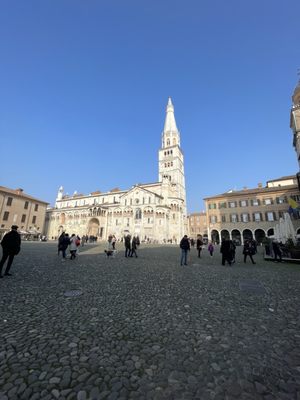

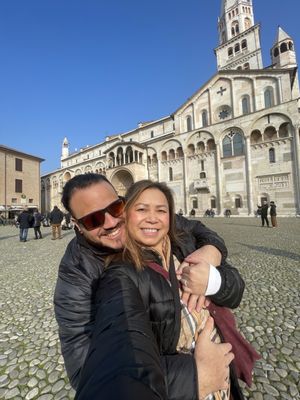

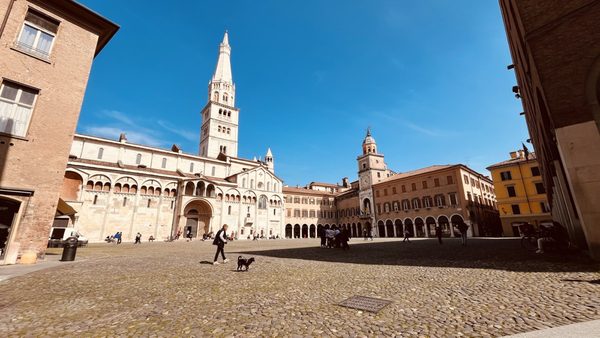
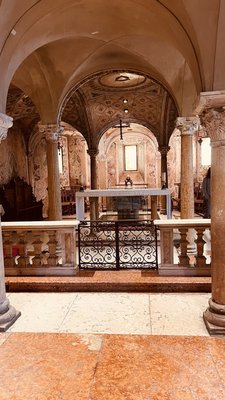


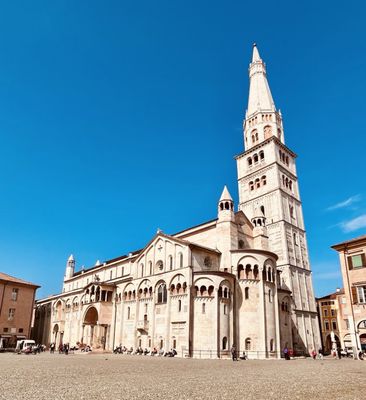
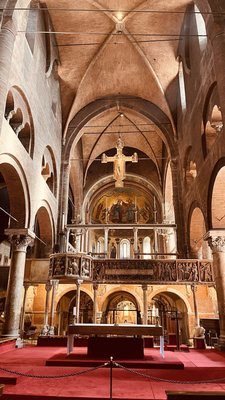
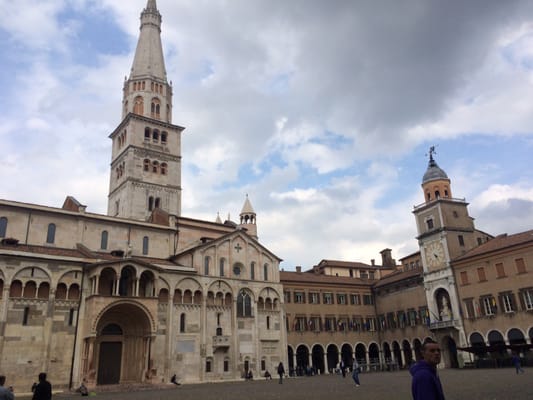
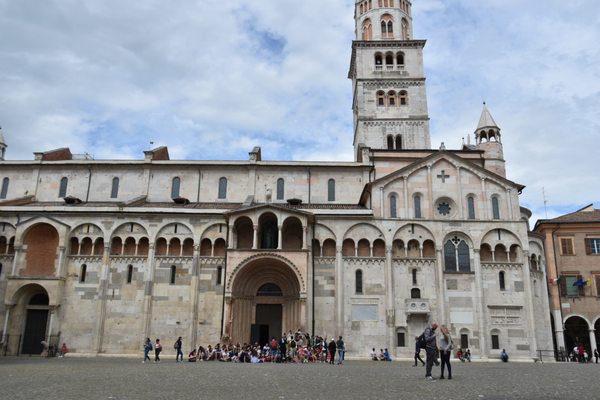


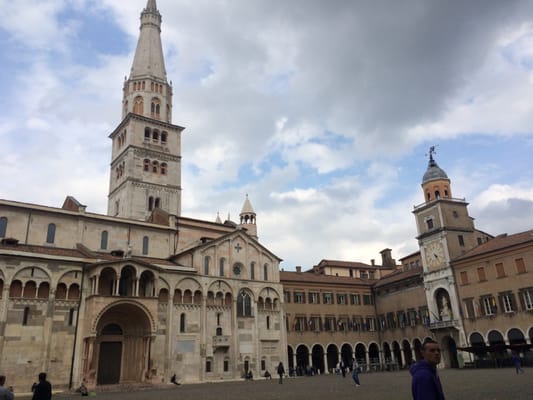
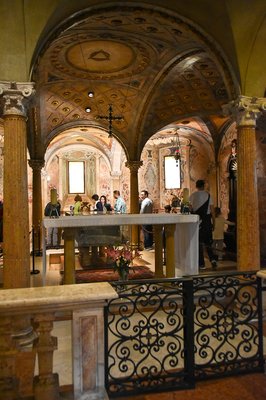

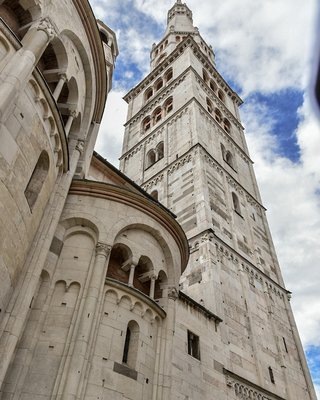

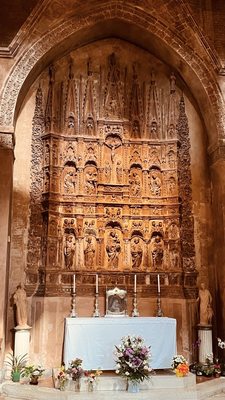
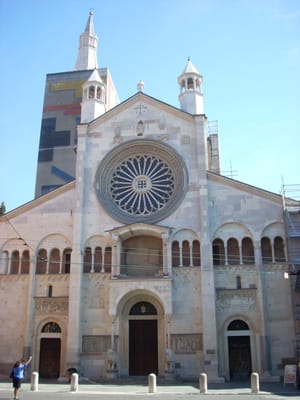


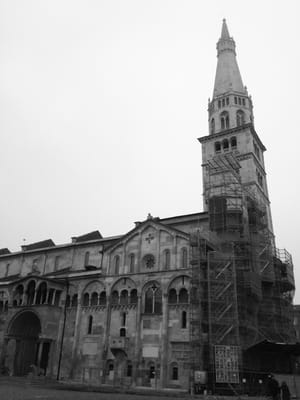
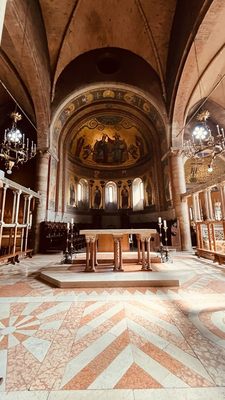


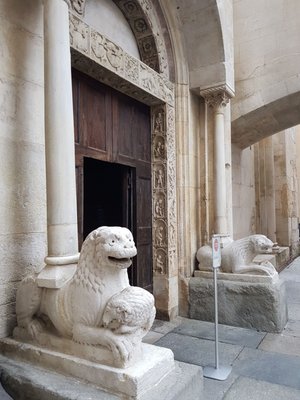

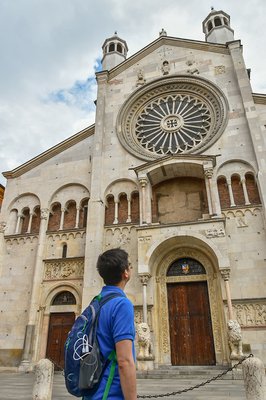


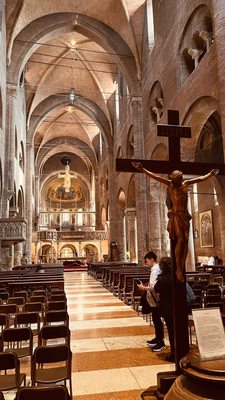
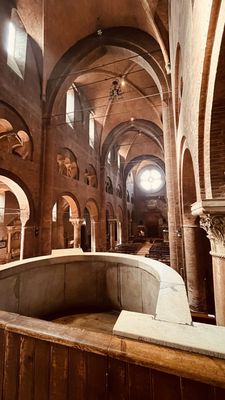


Romanesque cathedral featuring bell tower, rose window, carvings
"One afternoon last week I watched restaurateur Ashok Bajaj play serving-plate Tetris as he fitted a flashy antipasti trolley into the new Modena, a Northern Italian spot that just replaced Bibiana Osteria-Enoteca. The trolley is both the restaurant's biggest selling point and its biggest operational challenge; opening chef John Melfi (ex-Fiola Mare and the Oval Room) plans to have one or two dedicated food runners roll it to tables and dispense plates priced for three ($15), five ($18) or seven ($20) antipasti, with portion sizes and pours of finishing oils and vinegars from Emilia-Romagna adjusted to the table. Melfi has added extra steps to service to marry high-end Northern Italian ingredients (Balsámico of Modena, Parmigiano Reggiano, mortadella) with local produce and modern techniques—using an iSi canister to turn bagna cauda dip into foam for fried artichokes, making two kinds of focaccia, and baking amaretti for petit fours—and says they are “pushing everyone out of their comfort zone.” He keeps a running tally of the “greats and the not-so-greats” from the trolley; one personal favorite is a focaccia di recco of two paper-thin sheets of dough stuffed with roasted beets, walnuts, and gorgonzola dulce, baked in the pizza oven and likened to the Italian fine-dining equivalent of a quesadilla. Bajaj has billed Modena as not beholden to tradition—examples include a grilled calamari appetizer of squid stuffed with sausage but finished with avocado, red sorrel, and a Meyer lemon vinaigrette studded with cold-water periwinkle snails from Maine. Other highlights: a risotto Nero fritto misto of black risotto (roasted black garlic, squid ink, extra olive oil) topped with whatever fried seafood arrives; a reworked pasta e fagioli as saucy rigatoni with local coco rubico beans, pancetta, and San Marzano tomatoes; and entrees that replace a traditional veal chop with slices of veal roast from the eye of the ribeye served with crispy sweetbreads, chanterelles, pancetta, and a sharp Castelmangno fonduta. The room’s changes are subtler than at Bajaj’s previous turnarounds—abstract spherical lights remain, but new teal-and-grey paint, hanging planters above the bar, new tables and chairs, and a risqué black-and-white art piece make the space feel more intimate and, in Bajaj's words, give it more “sex appeal,” while Melfi’s fondness for flowers and microgreens keeps the presentation “really pretty.”" - Gabe Hiatt
Emiel Van H.
G M
Stephen R.
Zongle
Kyr R.
Tony B
Donna B.
Martin B.

Ciara N.
Jennifer K.
