John L.
Google
In the 1980s Japan experienced something of a boom in Italian cuisine. Four decades later, there are excellent Italian restaurants across the archipelago. Not surprisingly, many of the best are in Tokyo.
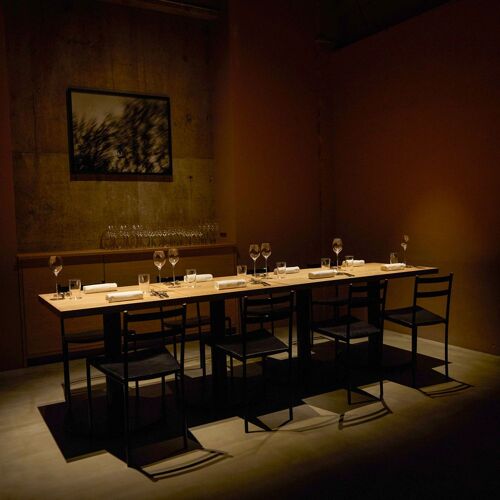
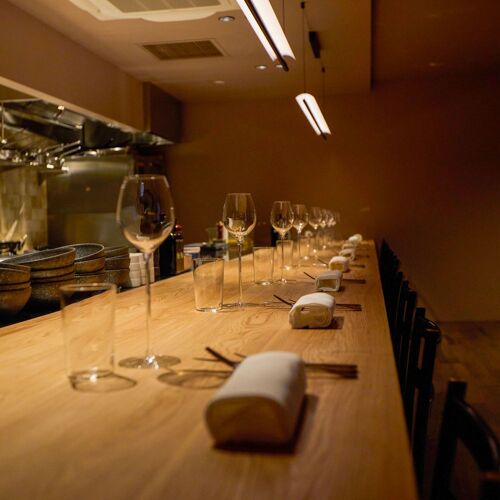
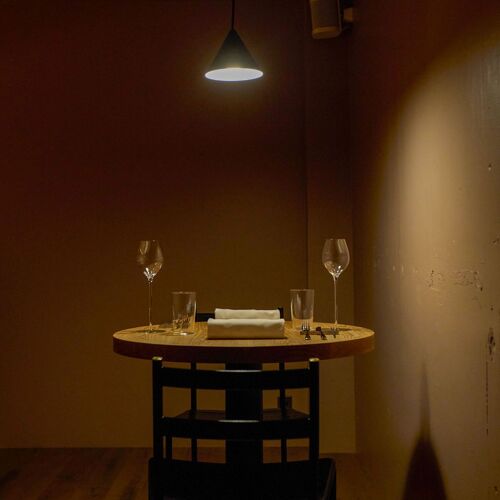
Ess. has an attractive interior and - judging from online reviews - some enthusiastic diners, but I am afraid that I can't share in that hosanna.
For starters, the restaurant does NOT have bread: no ciabatta, no focaccia, nothing. Salty prosciutto must be consumed without pane. Who says that "pane e vino" (bread and wine) are at the heart of Italian eating experience? I can only recite a prayer: give us our daily bread.
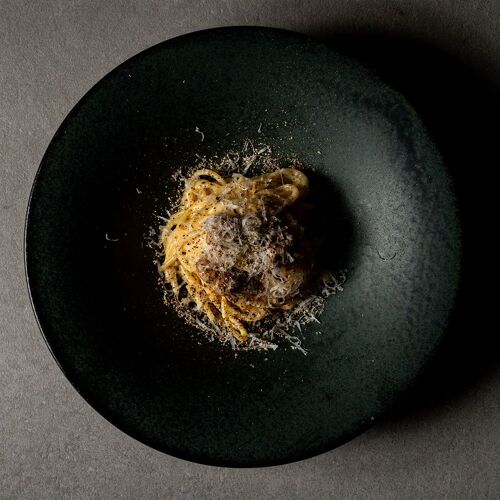
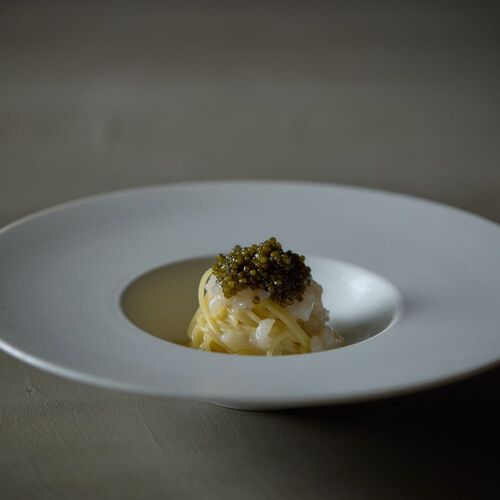
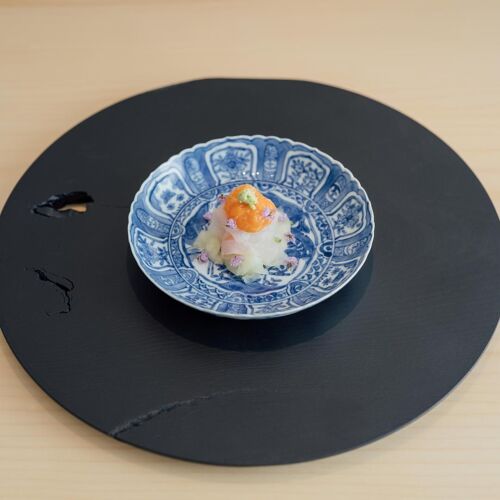
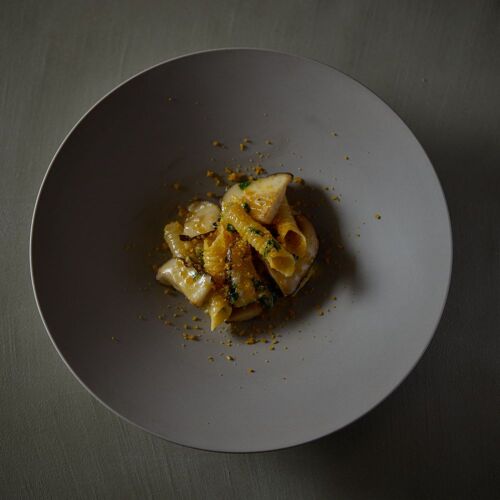
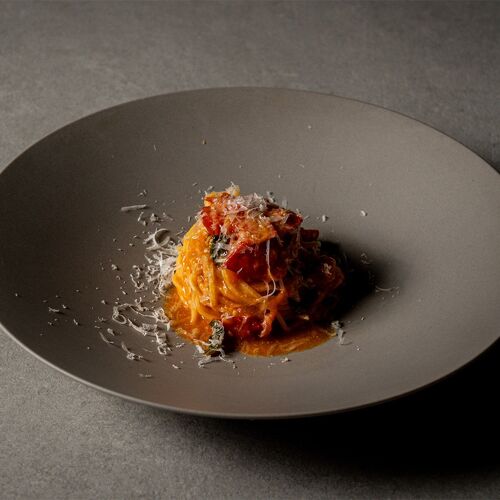
Three one-bite-sized pasta - two of them cold - follow. Caviar pasta and lemon pasta are fine, but I can't think of anything farther from the classic Italian notion of pasta as something hearty and filling. Not all Zhejiang-produced caviar are inferior, but the one used here on this night was dull and deflated.
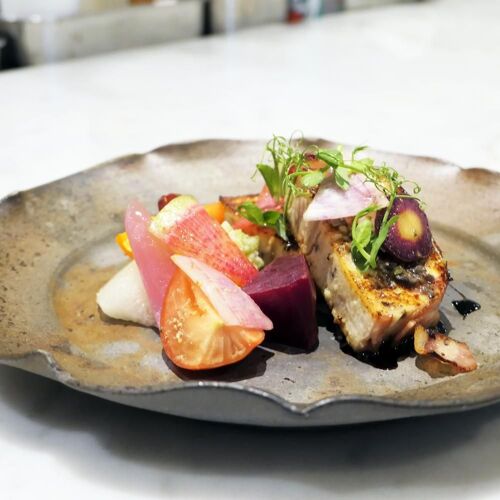
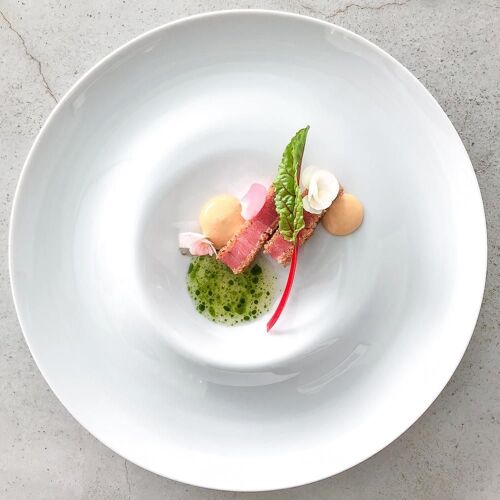
The main dish was an unremarkable piece of steak. Oversalted for my taste, but professionally cooked. It's probably an irrelevant question to ask what is Italian about this dish, but it's symptomatic of the restaurant and its flaws.
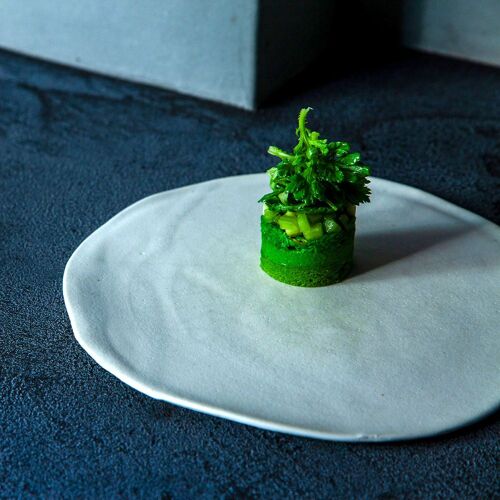
Italy is remarkable for the vibrancy of its regional and local cuisine, but none of that is reflected in ess. It may be something of a stereotype, but one feature I love about all manners of Italian cuisine is that they are real: soulful and heartwarming. You won't find these qualities at this restaurant where the stress is on appearance (nothing wrong with good presentation, of course) and the superficial deployment of seemingly expensive ingredients. Everything here tends toward the superficial and the false.
One might simply say that it's all a matter of taste, but it's not. If a Japanese diner goes to a sushi restaurant in the US and is served a series of Japanese dishes - oden, shabu shabu etc. - then she will likely shrug and think that it's all about the deplorable state of US food culture and its abysmal ignorance of Japanese cuisine. I will say in this instance that no Japanese restaurants in the US would not have rice ready to serve to a diner. Starch, after all, is the foundation of all dining experience (apologies to Atkins and paleo dieters).
Finally, to muddy the bad aftertaste, the restaurant charged me over 12,000 yen for a glass of champagne and a bottle of sparkling water. I would guess that this was a simple mistake on their part and I am of course responsible for not checking the tab. Yet it's exceedingly rare in a Japanese establishment to make a reckless mistake of this sort.
The mark of a great dining experience is the afterglow: the wonderful experience that transmogrifies into a fond memory. Alas, I have only chagrin to chew on after dining at ess.