Gee C.
Yelp
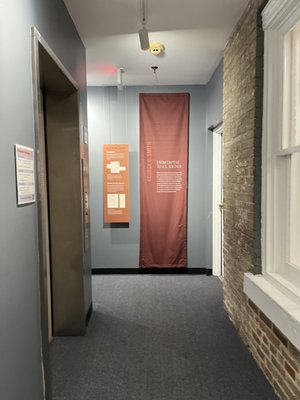
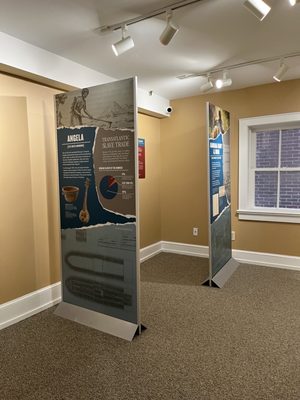
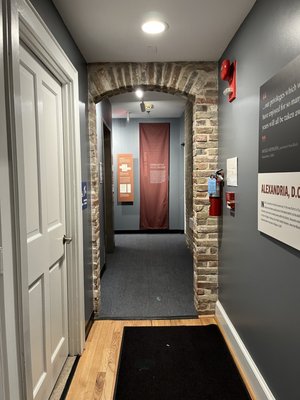
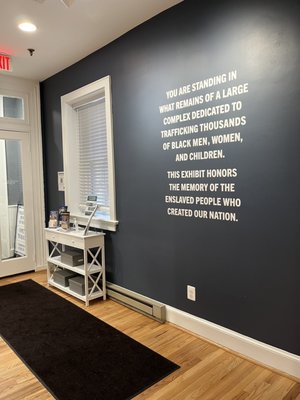
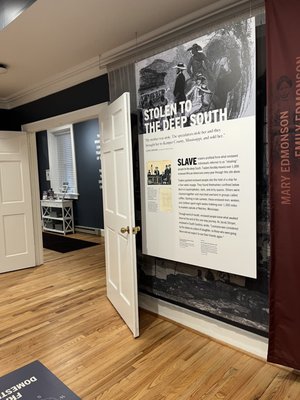
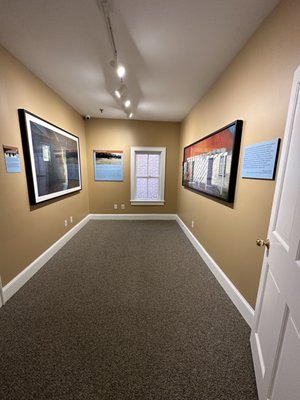
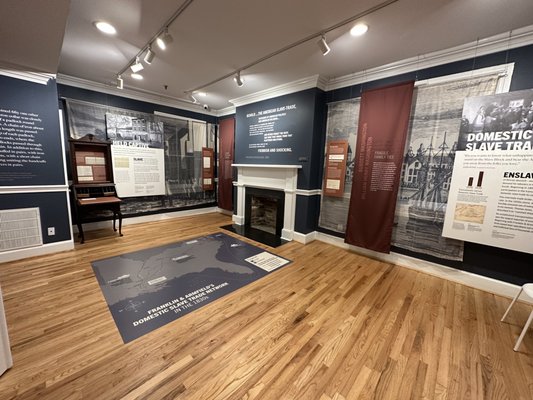
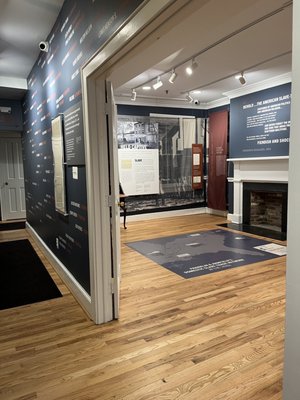
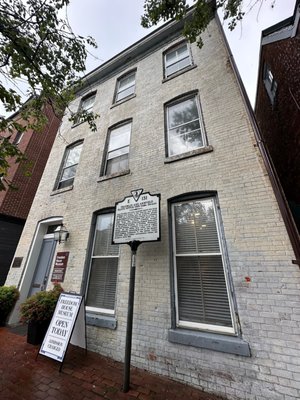
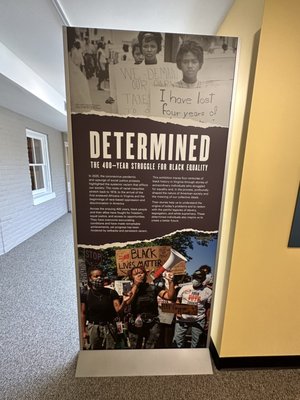
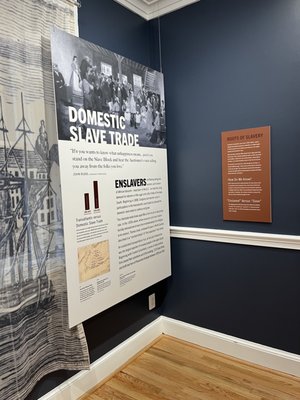
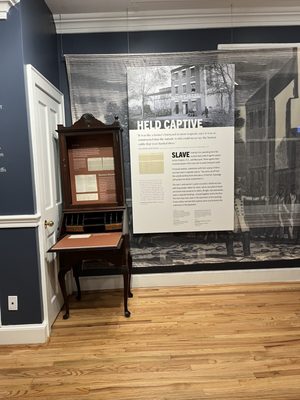
It would be hard for any museum to be any smaller. Might win a Ripley's award for that distinction. Basically, it is the cellar of an average sized townhouse, with one very small room opening into another. There is a reflections room, but it also has the feel of a closet. The exhibits are well made, and interesting, but it was my feeling that the museum promotes more than self-evident historical truths. We were told by a docent that the more beautiful women slaves fetched more than average prices, because they were sometimes routed into houses of prostitution in the Deep South. Miscegenation was unlawful, to my understanding, in the states in question, so this comment was an overstatement -- to put it mildly -- and the numbers of women purchased for that particular purpose -- if any -- would have been, logically, quite miniscule. Mention was also made of slaves being raped by owners; I feel compelled to suggest that these were also very uncommon occurrences. Owners certainly had sexual liaisons on occasion with slaves, but such individuals (if the behavior became public knowledge) were regarded as pariahs by their fellow citizens; sexual interactions were thus relatively rare, and miscegenation has only become commonplace in modern times. Finally, mention was made by a docent of "forced breeding." This comment was also speculative and more worthy of Madame Tussaud's Wax Museums; when men and women are placed in close proximity to one another, in any capacity, sexual interactions can occur, and logically a minimum of "force" was required. If the purpose of this museum is to make presentations of historical truths, my feeling is that it delves too confidently into grey areas that cannot be substantiated. If the latter is the reality of the situation, then any claim the museum makes in regard to objectivity is illusory. To merely state something does not necessarily make it true. The statement may be titillating or spur interest or fascination, or promote a political agenda; these factors also do not a truth make. For more information on the realities of slavery, including notions about "forced breeding," suggested reading is "Time On the Cross," by Fogel and Engerman. The realities they describe are much closer to the ones recounted to me by my grandparents, whose own grandparents regularly discussed with them the times and institutions in question. Slavery was most definitely a terrible sin; it can stand alone as such without embellishment.