The Glasgow Necropolis
Cemetery · Dennistoun ·
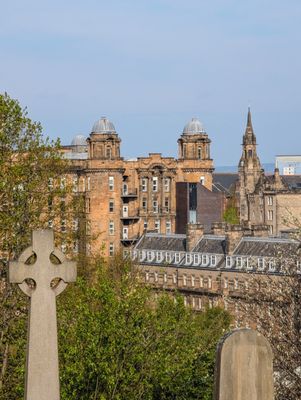
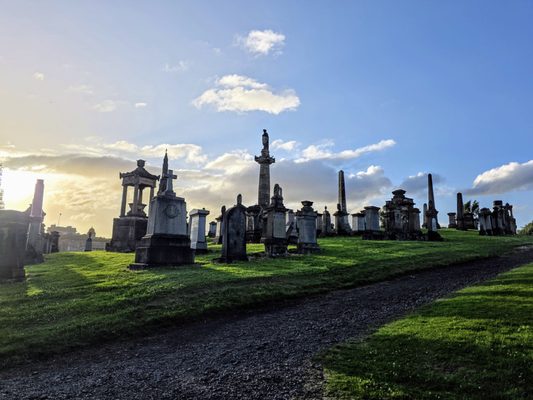
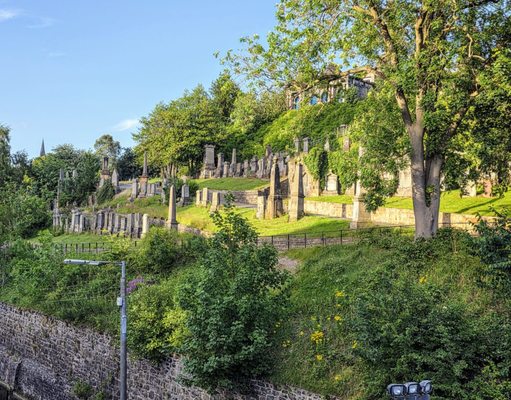
Victorian cemetery with stunning city views and ornate tombs

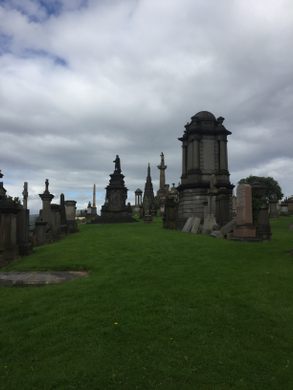
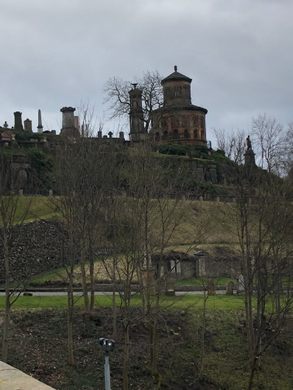
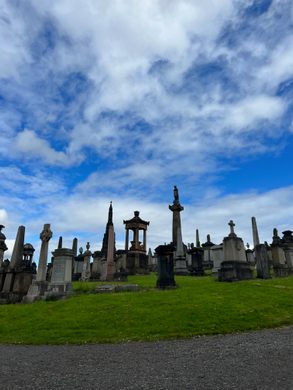
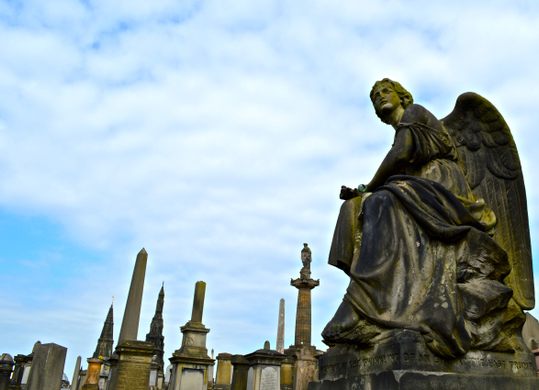
















Victorian cemetery with stunning city views and ornate tombs
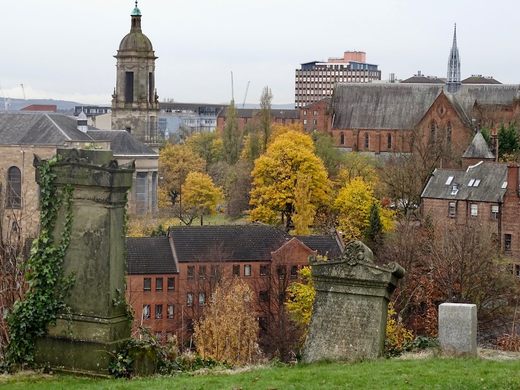
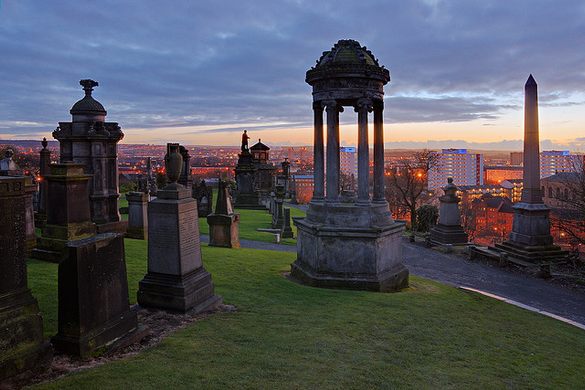
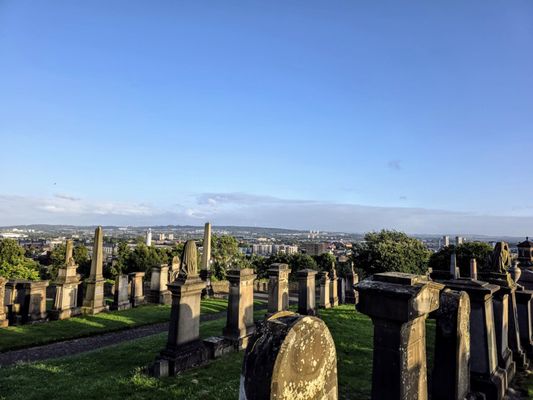
"A Victorian burial ground with dramatic flair, offering superb views of the city from its elevated position." - The MICHELIN Guide UK Editorial Team
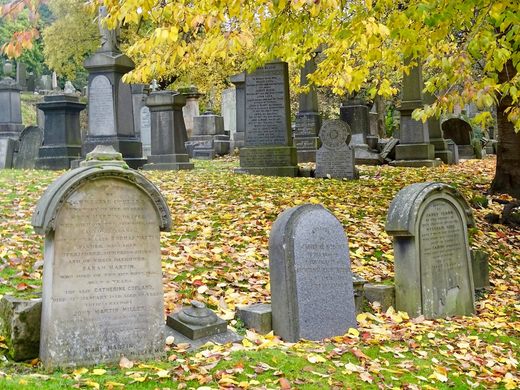
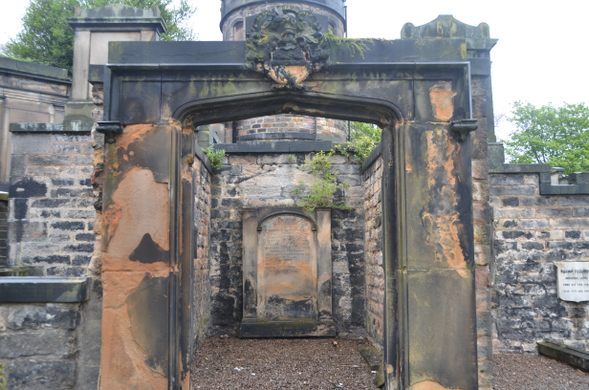
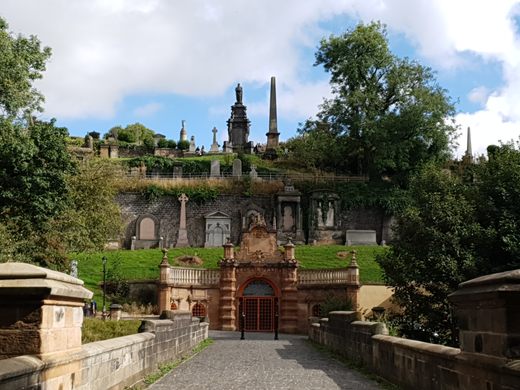
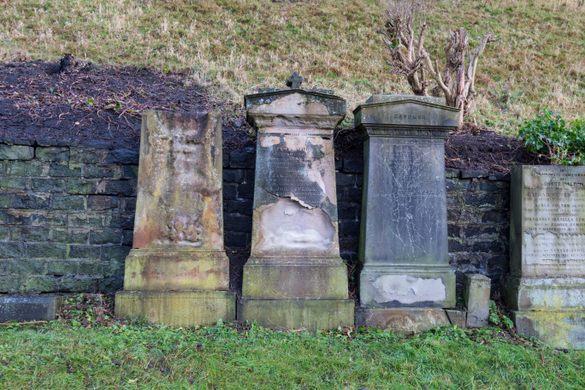
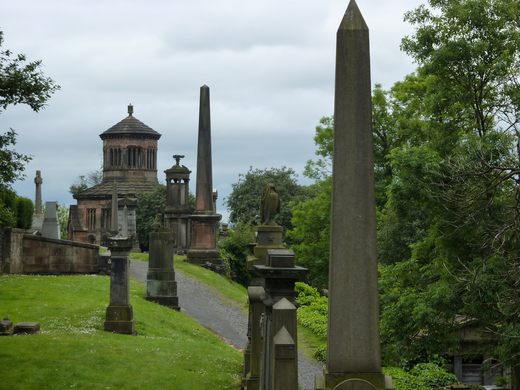
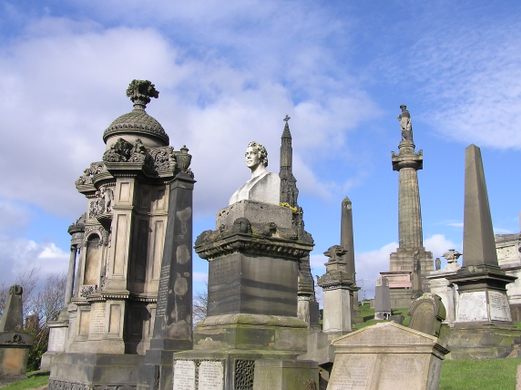
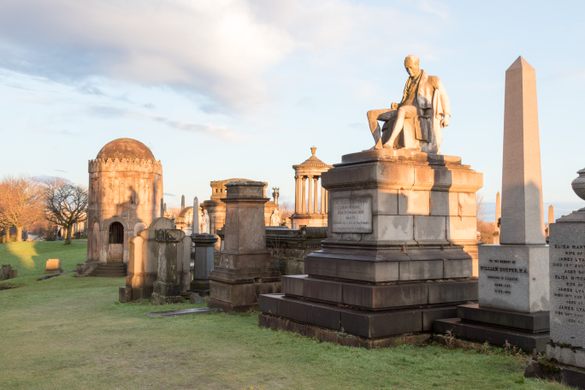
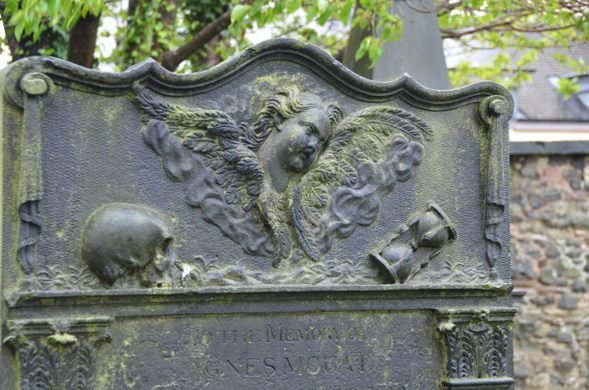
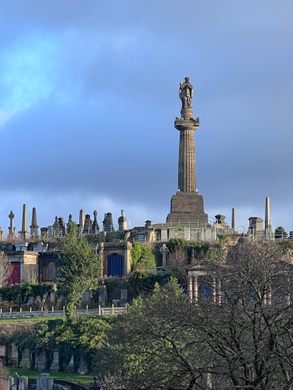
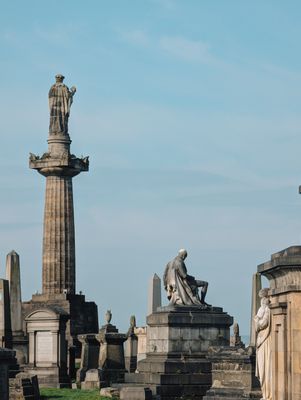
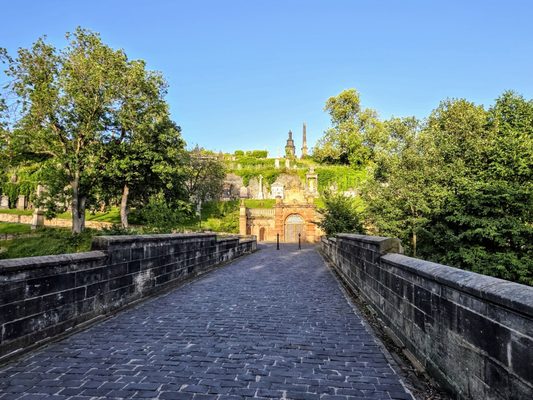
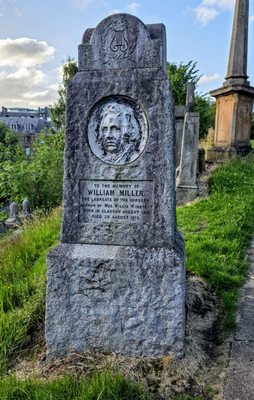
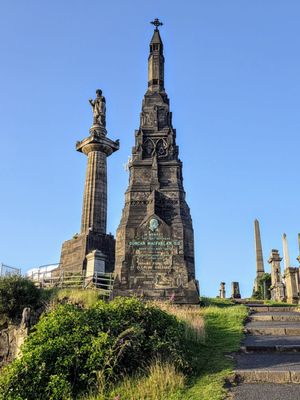
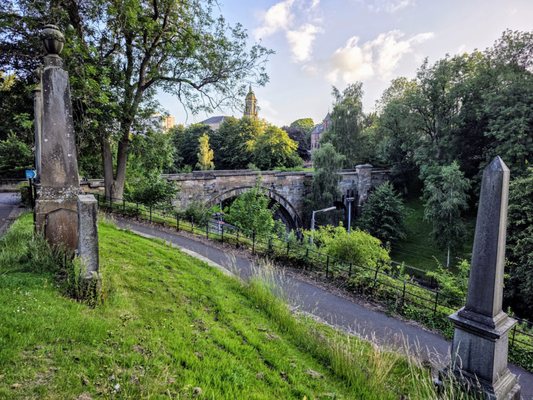
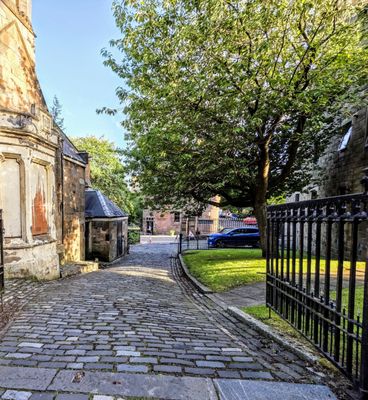
"The Glasgow Necropolis is a Victorian, multi-faith cemetery and holds over 50,000 bodies. Entering over the Bridge of Sighs, the Necropolis is Glasgow's version of the famous Paris cemetery, Père Lachaise. Burials date back as early as 1832 and architect, Alexander 'The Greek' Thomson and Charles Rennie Mackintosh are among famous names to have designed stones. The graveyard is more interesting than creepy (dependent on time of the day) and panoramic views of the city are seen when stood under the giant John Knox statue on the main hill. Good pub stops including Drygate (see other post) are a short distance walk from here." - Kenna
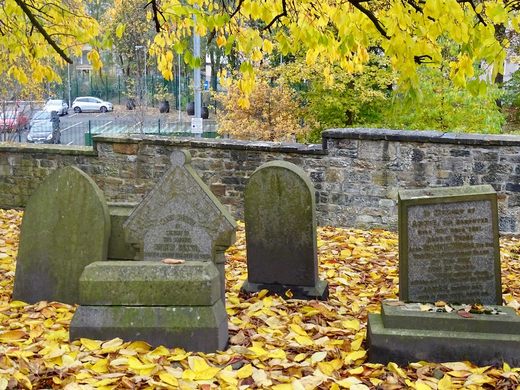
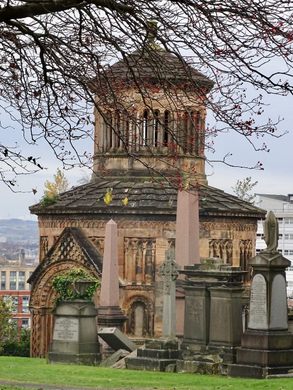
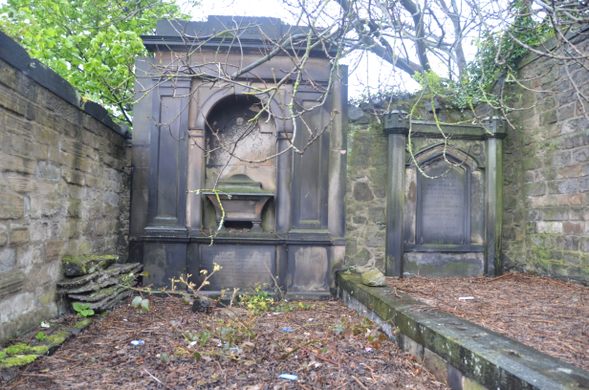
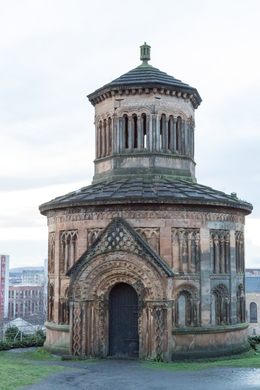
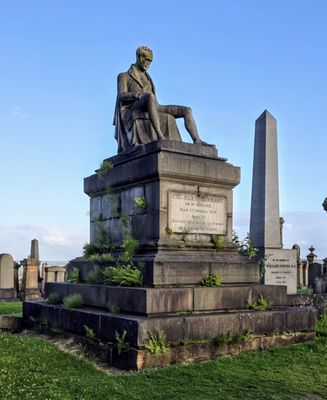
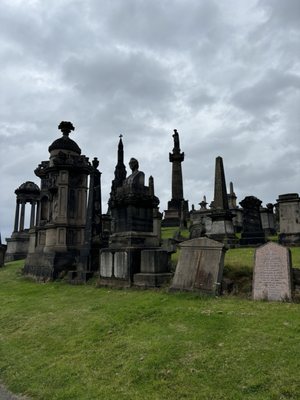
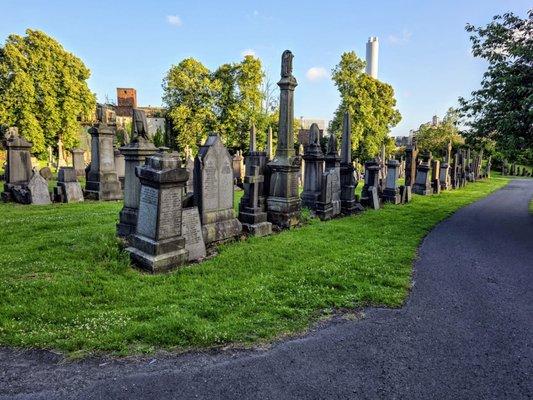
"Fifty thousand bodies are buried in the 37 acres of the Glasgow Necropolis which sits on a hill adjacent to the Glasgow Cathedral. Monuments of every architectural style are here, designed by major architects and sculptors of the time, including Alexander ‘Greek’ Thomson, Charles Rennie Macintosh and JT Rochead. In 1832, The Cemeteries Act was passed in Britain, which allowed burial for profit. Before the act, the parish church held full responsibility for burying the dead. At the time, Glasgow had a growing population with fewer folks attending church, and the city was one of the first to take advantage of the act. In April 1833 the Victorian Glasgow Necropolis officially opened, and was an interdenominational burial ground with the first burial being Joseph Levi, a Jew, and a jeweler. A year later, the first Christian burial was of Elizabeth Miles, the stepmother of the Superintendent, George Mylne. Uncommon for its time, the necropolis kept records of the deceased, including ages, sex and cause of death. A bridge, known as the “Bridge of Sighs,” stands at the main entrance, and got its name for being part of the funeral processions route (also an allusion to the “Bridge of Sighs” in Venice). In 1838, ornate gates were erected, restricting access onto the bridge. Between the gate and the bridge are three modern memorials: one to the still-born children; one to the Korean War; and one to the Glaswegian recipients of the Victoria Cross. The cemetery opens daily at 7AM, and still attracts local and global visitors." - ATLAS_OBSCURA
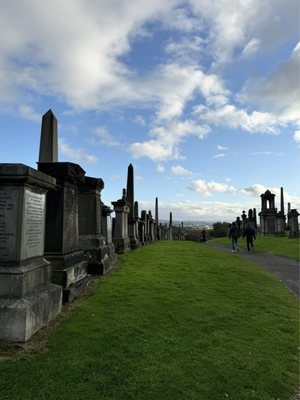
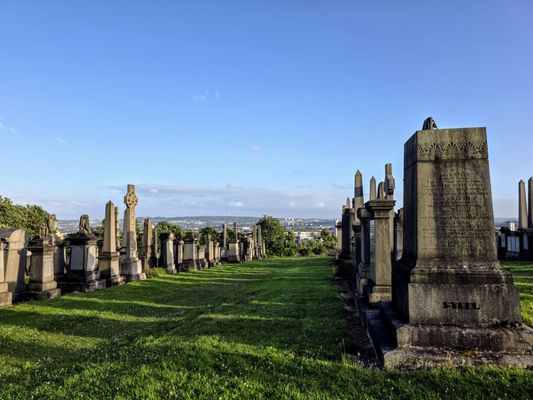
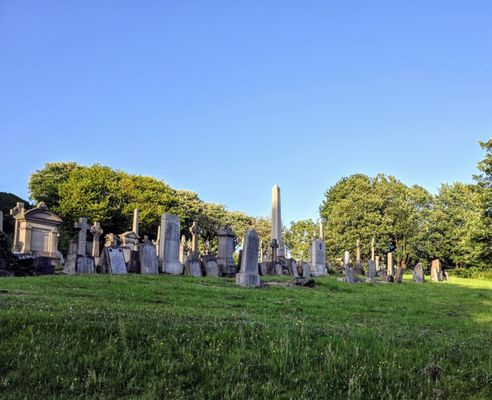
"▲ Burial hill with grand tombstones of eminent Glaswegians from the city's Victorian glory days." - Rick Steves' Europe
Mioma P.
Fazil B.
Karl V.
Yuvraj H.
Sox the C.
S G.
Catherine H.
Paul C.

Susan S.

Casey M.

Laura G.

Leila R.

Monica O.

Grahame G.

Lisa E.

Michael B.

Michael F.

Jen L.

Austen M.

Thomas M.

Gavin M.

Jill K.

Paul C.

Roslyn S.

Roz M.

Kristina K.

Nicola B.

Cecilie C.

Kevin D.

Matt I.

Em C.

Angela B.
M N.

Andrew C.

Claire B.

Catriona M.

gareth v.

Sarah F.

Qype User (.

Layla M.
Glenda R.
George P.

Liz K.

Liz M.

K C.

Alan S.

Qype User (.
Lexi R.
Lauren M.
Qype User (.


