A F.
Yelp
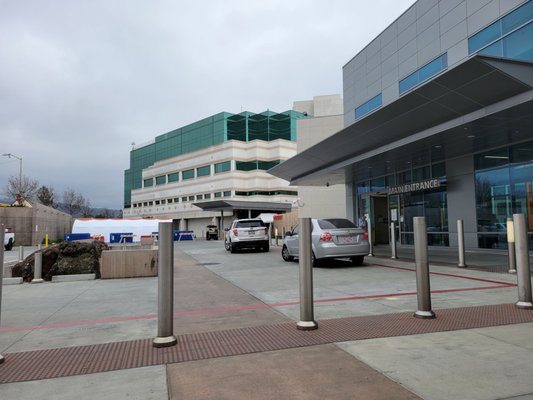
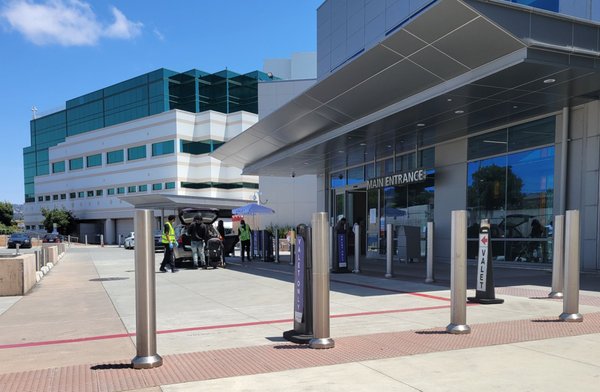
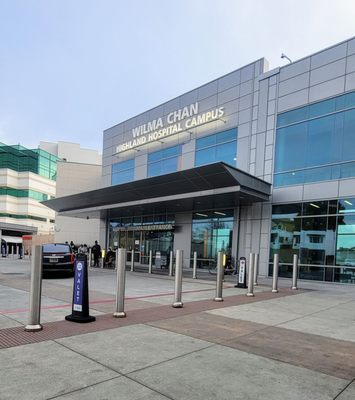
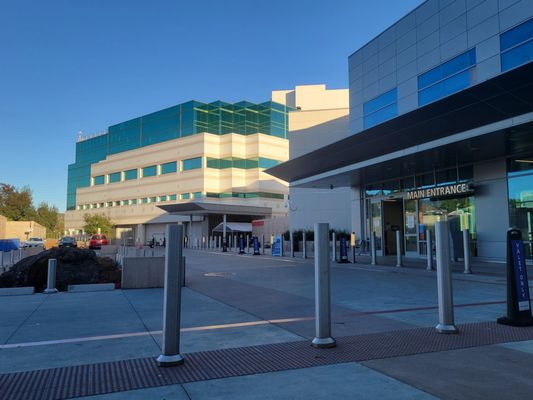
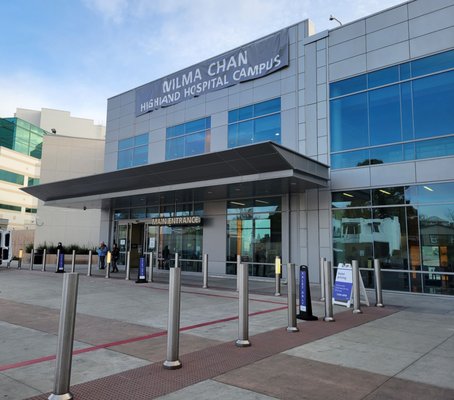
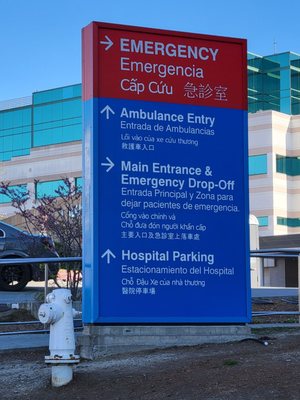
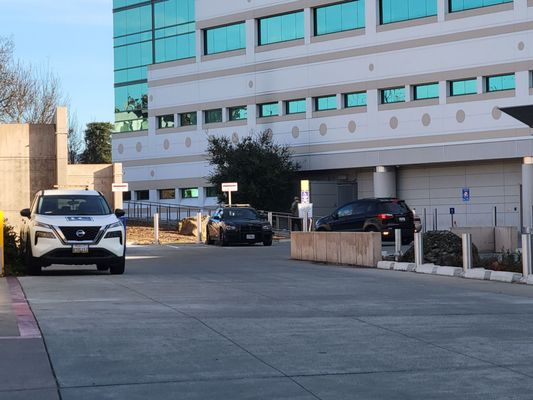
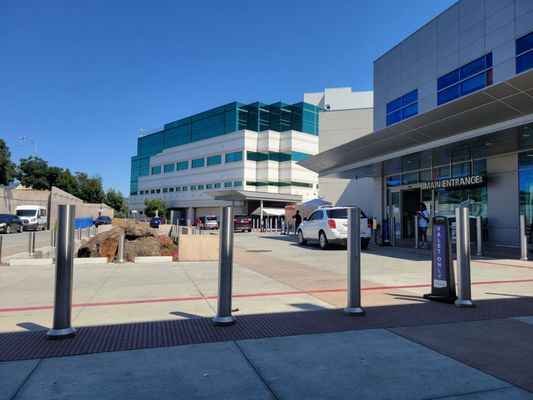
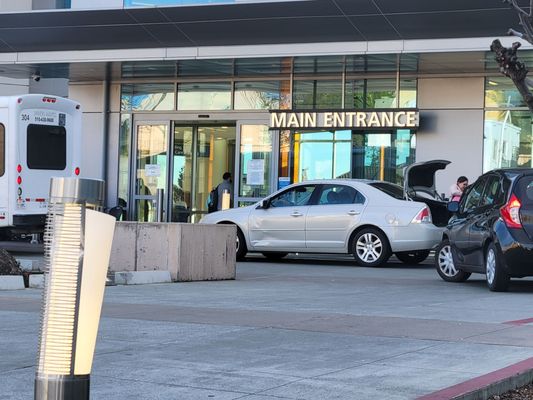
This review begins with walking through the front door of Highland Hospital in Oakland and may provide information that explains particular situations, possibly accompanied by hints for new patients such as myself. For example, going on the third week of internment my bedside table divulged a second top surface that slides out, so keep in mind potential points of ignorance are always possible within any experience.
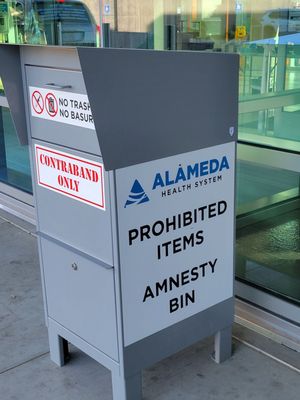
Security at the front door checks your bags and passes you through a metal detector. Any disallowed items such as a pocket knife or lighter will be disposed of, or you may enter again later. Bring identification and medical insurance information if possible. For an extended stay consider a change of underwear, hat to keep your ears warm at night, phone charger with six foot cord and maybe even a book, magazine or something else to read. Visiting hours are 10am - 10pm, otherwise security can route things to your room.
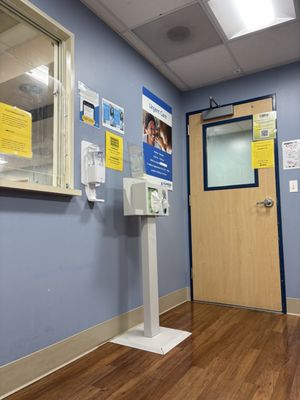
I was coughing and at that stage of illness where you are feeling better but still have plenty of loogies to hack up. My employer insisted that I be cleared for work before returning, so off to Highland for a brief checkup. Admittance proceeded quickly, no standing in line, wrist band was issued, a call back to the window for temperature, blood pressure and oxygen levels. I then took a seat in the waiting area with other patients, none of whom appeared to be homeless. Coughing up sputum into tissues seemed to expedite this duration, to avert contagion no doubt, although wearing a face mask of course.
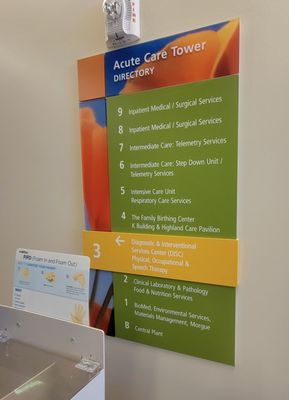
I spent some hours in the basement, likely taking a chest x-ray and giving blood samples; recollection is a bit fuzzy yet. An isolation room soon became available by miracle of coincidence whereby a wheelchair whisked me upstairs and into a private suite having a view of the sky and low wall to prevent falling off the adjacent roof corner.
A nurse is assigned to you, their internal number written on your dry-board, charge nurse as well and often a CNA name and number all of which vary from floor to floor but are generally consistent between shift changes. These five digits are dialed from your bedside phone. Loop the cord through a convenient handle on an upper side bedrail so the phone may be retrieved in case it falls to the floor, even when you are not able to move around easily.
Night-owl nurses tend to be attentive, however if you cannot reach your nurse, try pressing the large "Nurse" button centrally located on the television remote control. The wired remote includes a 3.5mm plug for headphones on one side. Unplug this before utilizing the nurse button!
(your eardrums will thank you)
The first meal was mostly just two large meatballs, ensuing breakfast similarly sparse, showcasing two french toast. Figuring there must be a wider selection, including scrambled eggs hopefully, was rewarded with a menu for placing meal orders. Often the selections were better than adequate. You can also ask your nurse for snacks - bread with lunchmeat, juice, pudding or graham crackers. One nurse brought mayo and mustard to go with the sandwich.
I was moved to a duplex room replete with a neighbor patient and two curtains for privacy after contraindication of isolation. Each room appeared clean and contained reclining chairs; the second one had a nice view of the hills and temple.
Blood samples were taken every morning, usually by "vampires", a specialized form of nurse - all gentle pokers for the most part. My wristband was fastidiously scanned before administering medications or field trips to the CT, but perhaps not always after the critical stages of treatment had been resolved. Various specialists certainly recognized me by then. Your nurse remains the same (day or night shifts) for their tour of duty, then they are off for a few days. I didn't see any of them again, as they are rotated elsewhere.
You have to assert some responsibility for your own care; if your dressing is leaking be sure to specify that you need the bedsheets changed and a fresh gown, not just that the dressing requires changing. Ask for help tying the gown in back or figure out how to tie it up backwards without looking. Wipe down nearby actionable surfaces with alcohol prep pads. Your IV should be replaced every four days and have the date written. Small details you wouldn't realize had you never been hospitalized for any amount of time could influence the outcome.
The nitty gritty: what on earth was wrong with me? At first the exact pathogen was unidentified, so a spread spectrum medley of various antibiotics (all of them) were in turn dripped through my IV - actually two, a fresh IV in the other arm for the first CT scan - including vanco which I assume was version three because some strains of staph are resistant to version one. The nurse I asked didn't know which and it was disco shortly thereafter. It wasn't TB either, nor covid - confirming the diy covid test result from a few weeks prior.
(to be con'd)