Horsetail Fall
Waterfall · Mariposa County ·

Horsetail Fall

Waterfall · Mariposa County ·

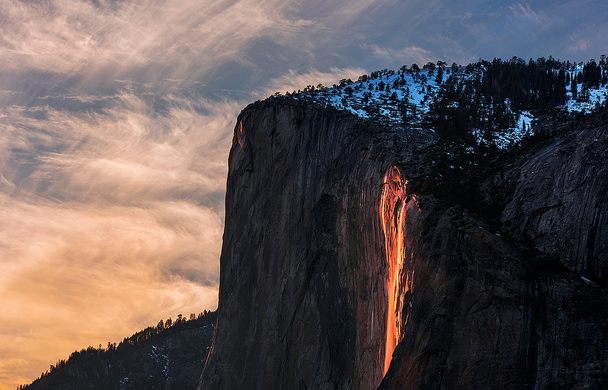
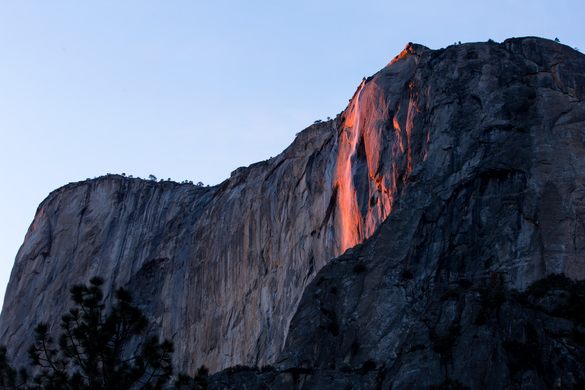
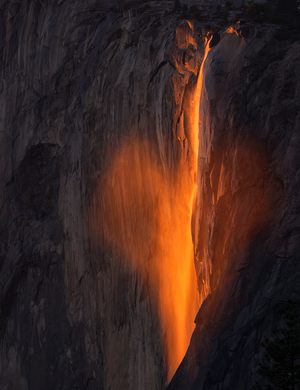
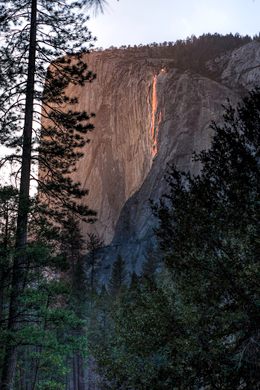
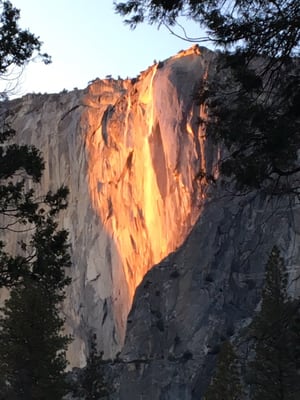
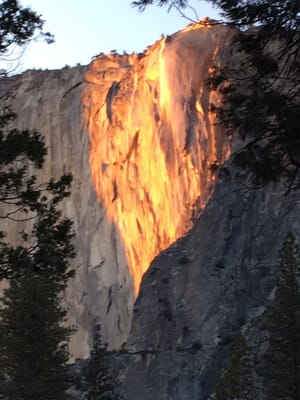
Seasonal waterfall with rare "firefall" effect at sunset

Horsetail Fall by null
4.8 (102)
Google Maps
Rated 4.8 stars by 102 reviewers
Horsetail Fall by alexanderfedin (Atlas Obscura User)
Horsetail Fall by Jay Huang/cc by 2.0
Horsetail Fall by Nam Ing (used with permission)
Horsetail Fall by Wcwoolf/cc by-sa 2.0
Horsetail Fall by Nam Ing (used with permission)
Horsetail Fall by evelynquek/CC BY 2.0
Horsetail Fall by alexanderfedin (Atlas Obscura User)
Horsetail Fall by Jay Huang/cc by 2.0
Horsetail Fall by Anita Ritenour/cc by 2.0
Horsetail Fall by alexanderfedin (Atlas Obscura User)
Horsetail Fall by Nam Ing (used with permission)
Horsetail Fall by Andrew Kearns/CC BY 2.0
Horsetail Fall by null

Information

California 95389 Get directions

Information

Static Map

California 95389 Get directions

Features

Last updated

Dec 1, 2025

Powered By

You might also like

Terms of Use • Privacy Policy • Cookie Policy
 © 2025 Postcard Technologies, Inc.
@travelleisure
27,057 Postcards · 5,402 Cities

How to Visit Yosemite in Winter

"A late‑February natural spectacle occurs when sunset light illuminates an east-side waterfall on a cliff face, creating a glowing, lava-like 'firefall' effect; the phenomenon requires a clear western sky and sufficient water flow, and managed reservations will be required on select February dates in 2025 to limit crowds." - Stephanie Vermillion Stephanie Vermillion Stephanie Vermillion is a travel journalist and photographer covering culture and adventure for Travel + Leisure Outside, and more. Travel + Leisure Editorial Guidelines

https://www.travelandleisure.com/yosemite-winter-travel-tips-6751384
Horsetail Fall
@atlasobscura
4,908 Postcards · 2,018 Cities

17 Wonders of America's National Parks

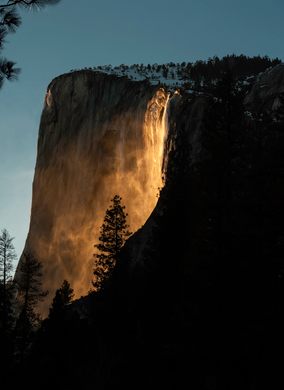
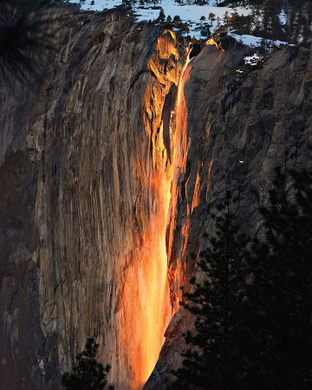
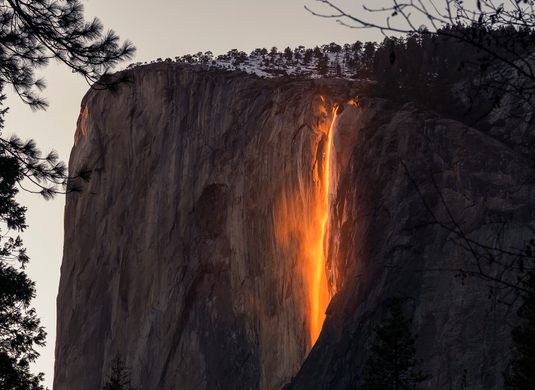
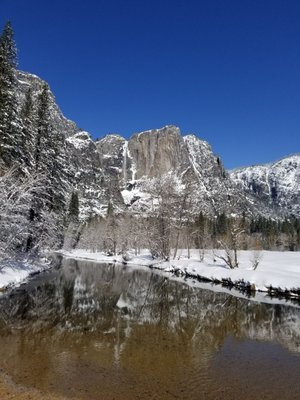
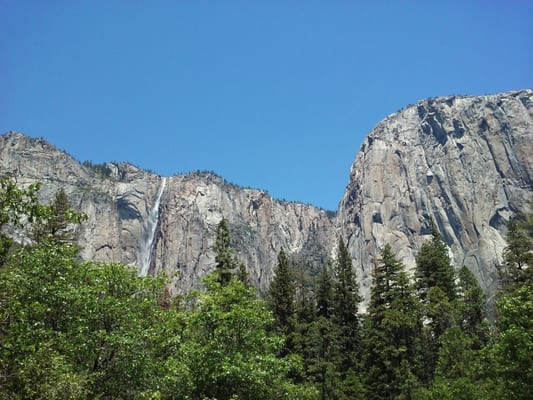
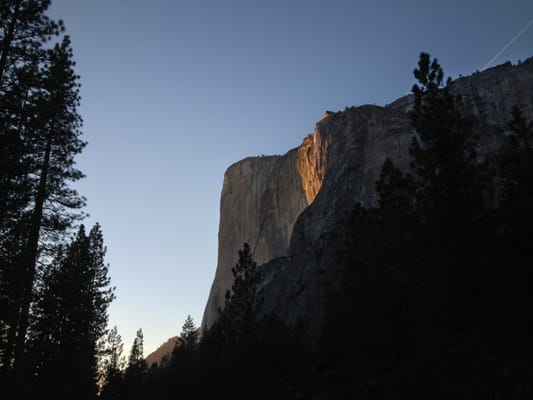
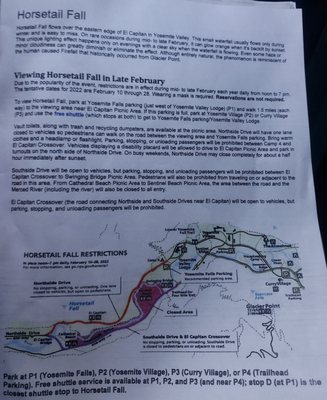
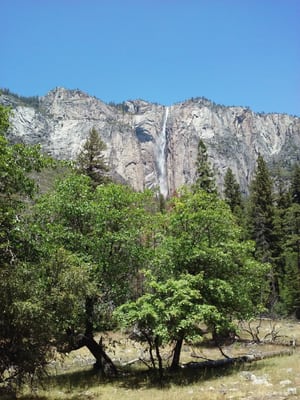
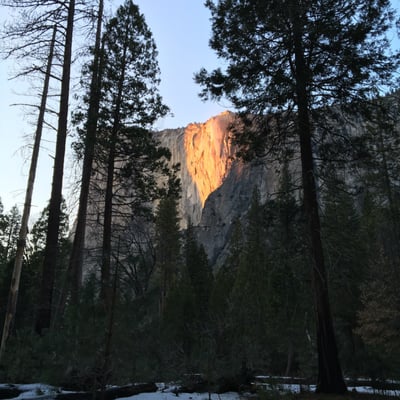
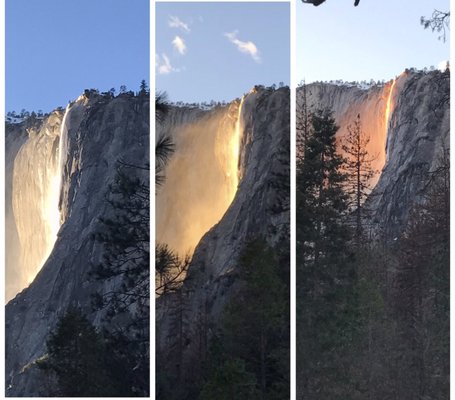
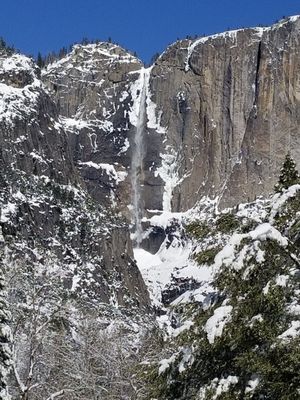
"Central California’s Yosemite Valley is filled with countless waterfalls, but many of them only flow for part of the year. Horsetail Fall is one of those seasonal waterfalls, flowing over the eastern edge of El Capitan in the winter and early spring. It has two distinct streams and drops some 1,570 feet onto steep slabs, spraying up in a mist before continuing down another 500 feet to the bottom of the mountain. As beautiful as the fall is by itself, for just a few days at the end of February it becomes a dazzling show known as the “firefall.” If the conditions are just right, once the sun dips behind the horizon line everything will begin to go dark and it will seem, for a moment, as if the firefall has failed to ignite. But as the sunlight disappears, the waterfall catches the final rays, which reflect off the falls to create a spectacular, short-lived, effect that looks like a beautiful cascade of liquid fire. Even if you’re standing at the right spot at the right time of year, you may not witness a firefall. The phenomenon occurs when the sky is free of clouds or haze and there is sufficient snowmelt to feed the waterfall. Bizarrely, Yosemite Park used to actually create “firefalls” by pushing huge piles of coals off the edge of a cliff. These were a popular tourist sight from the 1880s until the 1960s, when the park realized this was a fire hazard and stopped. Luckily, this natural phenomenon was able to pick up where the park rangers left off after famed climber and photographer Galen Rowell noticed it and took a picture of the firefall effect on Horsetail Falls in 1973.  Even when it isn’t catching the late February sun, Horsetail Fall is impressive. It is the second highest free-falling waterfall in Yosemite Valley. The highest is Ribbon Falls, located on the other side of El Capitan and is also seasonal. It doesn’t stand out from the flat wall where it free falls down to the valley floor as well as Horsetail Falls, which has an edge allowing visitors to view it from the side." - ATLAS_OBSCURA
https://www.atlasobscura.com/lists/hidden-wonders-national-parks
Nam Ing (used with permission)
Horsetail Fall
@atlasobscura
4,908 Postcards · 2,018 Cities

Jessica Mendoza's 16 Watery Wonders of the Western United States

"Central California’s Yosemite Valley is filled with countless waterfalls, but many of them only flow for part of the year. Horsetail Fall is one of those seasonal waterfalls, flowing over the eastern edge of El Capitan in the winter and early spring. It has two distinct streams and drops some 1,570 feet onto steep slabs, spraying up in a mist before continuing down another 500 feet to the bottom of the mountain. As beautiful as the fall is by itself, for just a few days at the end of February it becomes a dazzling show known as the “firefall.” If the conditions are just right, once the sun dips behind the horizon line everything will begin to go dark and it will seem, for a moment, as if the firefall has failed to ignite. But as the sunlight disappears, the waterfall catches the final rays, which reflect off the falls to create a spectacular, short-lived, effect that looks like a beautiful cascade of liquid fire. Even if you’re standing at the right spot at the right time of year, you may not witness a firefall. The phenomenon occurs when the sky is free of clouds or haze and there is sufficient snowmelt to feed the waterfall. Bizarrely, Yosemite Park used to actually create “firefalls” by pushing huge piles of coals off the edge of a cliff. These were a popular tourist sight from the 1880s until the 1960s, when the park realized this was a fire hazard and stopped. Luckily, this natural phenomenon was able to pick up where the park rangers left off after famed climber and photographer Galen Rowell noticed it and took a picture of the firefall effect on Horsetail Falls in 1973.  Even when it isn’t catching the late February sun, Horsetail Fall is impressive. It is the second highest free-falling waterfall in Yosemite Valley. The highest is Ribbon Falls, located on the other side of El Capitan and is also seasonal. It doesn’t stand out from the flat wall where it free falls down to the valley floor as well as Horsetail Falls, which has an edge allowing visitors to view it from the side." - ATLAS_OBSCURA

https://www.atlasobscura.com/lists/jessica-mendozas-16-watery-wonders-of-the-western-united-states
Nam Ing (used with permission)
Horsetail Fall
google avatar

Private U.

Yelp
Loved the Fire Fall of 2023. Such a privilege to be able to catch this once in a year natural phenomenon. California is the adventure of a lifetime!
google avatar

Carol N.

Yelp
It is a big waterfall that falls off the side of El Capitan and is best viewed when looking east. It is pretty big, so it is viewable from many different places. It is just personal preference as to where you want to view this waterfall. Last year they required a permit to park in the parking during the prime week to see that fall. This year there was no permit required. I do not know if that will be the case again next year. You can also park at the lodge and hike towards the fall, which is about a mile hike to get to a good viewing area. But know that hiking in the snow is hard and a mile will feel much more than a mile. What makes this waterfall special is that for the mid two weeks of February, IF the conditions are right, it will looking like the waterfall is on fire. I tried for 2 days to see it, but no luck. I was here last week, which is a week before "prime" viewing time but it was just way to cloudy with snow to be able to see the "fire" effects. The water however, was flowing beautifully. If I lived closer, I would try more days to see the firefall effect. Perhaps I shall try again next year as I will not be able to try again in the next couple weeks.
google avatar

Angeline K.

Yelp
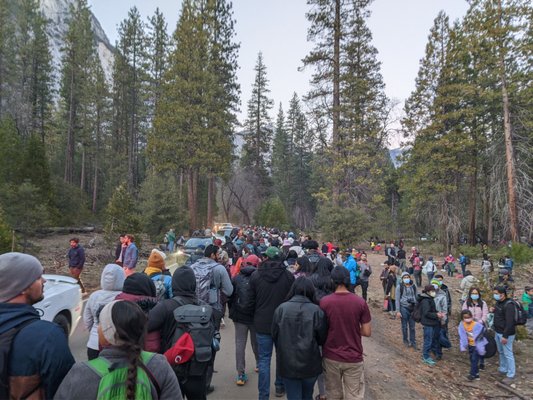
If my husband weren't so into photography, I don't think I would have ever found out about Horsetail. This is one spot in Yosemite that doesn't attract your average tourist, and it only gets attention one month out of the entire year. I can tell you why, but it would be much easier to read about it here: http://yosemitefirefall.com/the-natural-firefall-horsetail-fall It seems like the only people interested in capturing this phenomenon are photographers, professional and amateur. Don't come here with a point a shoot because you will feel foolish and your camera will feel dwarfed haha. I can certainly respect the desire to capture something somewhat elusive, but it is hard to appreciate the phenomenon when it doesn't happen (which in all likelihood is a great possibility due to uncooperative weather) and you've been sitting outside in 30 degree weather for hours. My husband "dragged" me here two years in row in hopes of capturing his coveted shot. The first year we had no luck at all, but just a few days ago, we saw a glimpse of something amazing. The effect is different every single time it happens, so really one can come here and, conditions willing, have a different experience every single time. Elusive, but worth it.

google avatar

Jaya W.

Yelp
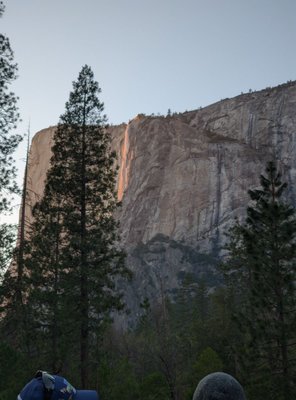
Dov - 2/11/2017: It's that time of year again when visitors flock to @yosemite_national_park to see the famous Horsetail Fall -- the waterfall that looks like lava flowing down the side of El Capitan. This rare phenomenon only happens for a short time in February (if the conditions are perfect). When the setting sun's rays hit the waterfall at just the right angle, it illuminates the water in brilliant reds and oranges. It's a spectacular sight reminiscent of Yosemite's historic Firefall! We were lucky to have witnessed this phenomenon! Nature is extra ordinarily beautiful when in yosemite!
google avatar

engel c.

Yelp
Just came back from Yosemite last weekend and saw the Horsetail Fall light up into the elusive firefall. It only happens at the right conditions which is optimal during the last two weeks of February. There was also an amazing sunset which makes this combination quite rare since the firefall tends to occur during clear skies. Here's a video from my experience. https://youtu.be/XyDXE20z-Ng
google avatar

Esther S.

Yelp
Came on 2/25/2012- the day after the "last day" to see the firefall. Since it was such a dry winter, the waterfall was not really running anymore....but the rock still had splatters of water and so instead of the "fire fall" we saw a "lava rock" which was still pretty special in my opinion. =) Best viewing: East of El Capital near the picnic area I will try again next year! Get there early! Parking sucks so keep that in mind! Go early! Carpool or park across the loop and walk over.