Hôtel de la Marine
Heritage museum · La Madeleine ·
Historic palace with immersive audio tours and opulent interiors



















Historic palace with immersive audio tours and opulent interiors
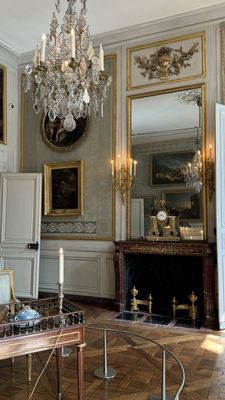
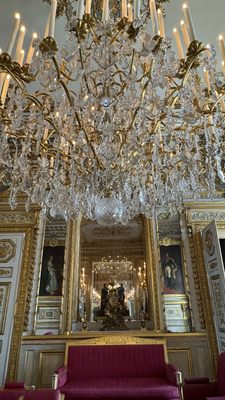
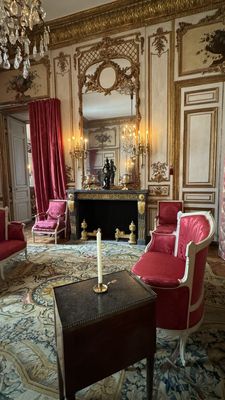
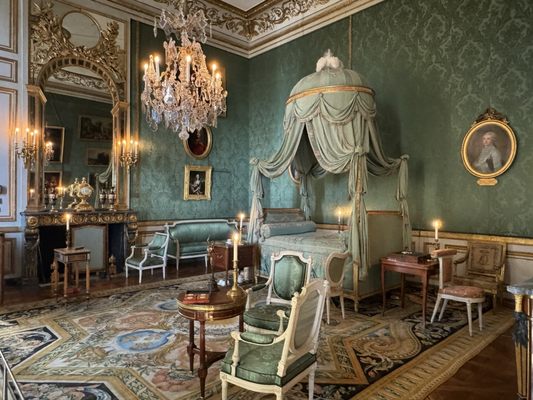
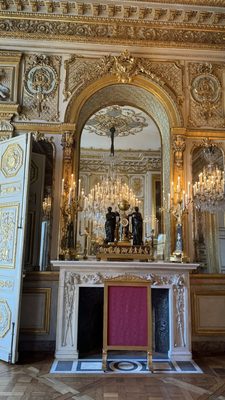
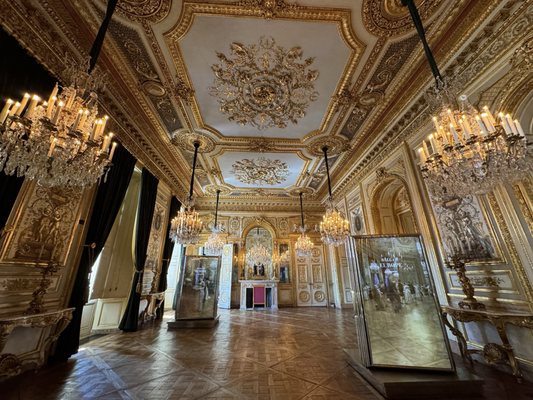
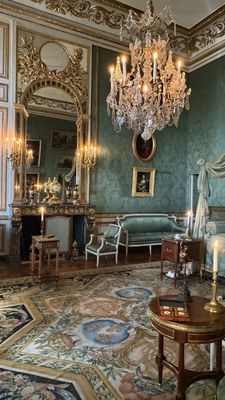
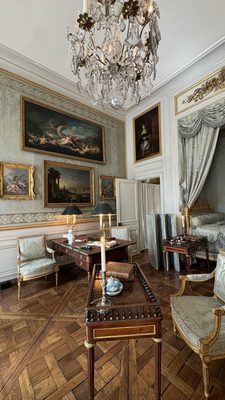
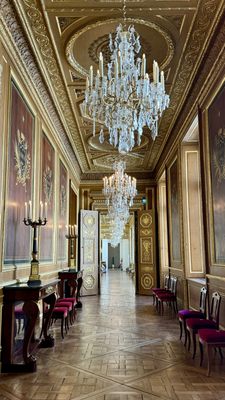
"This recent addition to the capital’s cultural offering is unlike any other in the city, largely by dint of its heritage and size. Perched over the Place de la Concorde, the museum occupies the former royal Garde Meuble—the depository for the King’s furniture collections, crown jewels, tapestries, and decorative arts—and what later became the country’s naval headquarters for 200 years. Given that it only opened to the public in 2021, it remains moderately trafficked but the word is out. Open to the public for the first time in 250 years, its new incarnation as an immersive museum experience allows visitors to explore the 18th century apartments of the Garde-Meuble intendants, recreated and restored to their original layout and design, as well as the structure’s grand reception halls filled with period furnishings, paintings, and objets d’art. Key to the visit is the audio guide, which leans theatrical. You could speed through the audio guide in an hour, get a view of the Place de la Concorde from the covered balcony, and take in the jaw-dropping Cabinet des Glaces, a mirror-walled boudoir not unlike the hall of mirrors in Versailles, covered in paintings." - Melissa Liebling-Goldberg, Julia Eskins

"This recent addition to the capital’s cultural offering is unlike any other in the city, largely by dint of its heritage and size. Perched over the Place de la Concorde, the museum occupies the former royal Garde Meuble—the depository for the King’s furniture collections, crown jewels, tapestries, and decorative arts—and what later became the country’s naval headquarters for 200 years. Given that it only opened to the public in 2021, it remains moderately trafficked but the word is out. Open to the public for the first time in 250 years, its new incarnation as an immersive museum experience allows visitors to explore the 18th century apartments of the Garde-Meuble intendants, recreated and restored to their original layout and design, as well as the structure’s grand reception halls filled with period furnishings, paintings, and objets d’art. Key to the visit is the audio guide, which leans theatrical. You could speed through the audio guide in an hour, get a view of the Place de la Concorde from the covered balcony, and take in the jaw-dropping Cabinet des Glaces, a mirror-walled boudoir not unlike the hall of mirrors in Versailles, covered in paintings." - Lindsey Tramuta, Melissa Liebling-Goldberg
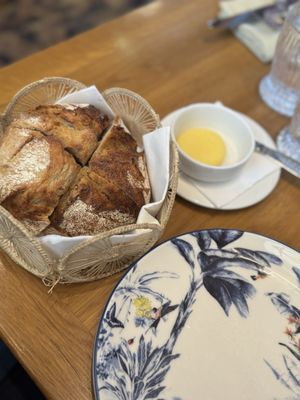
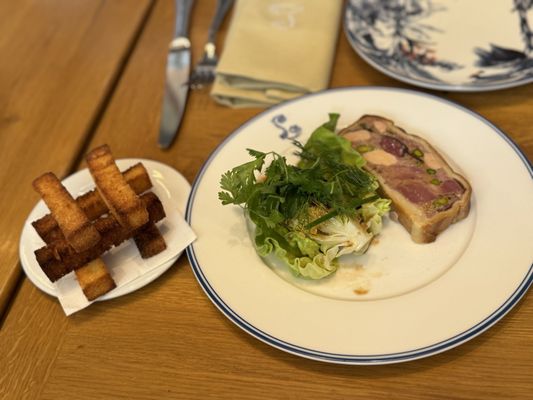
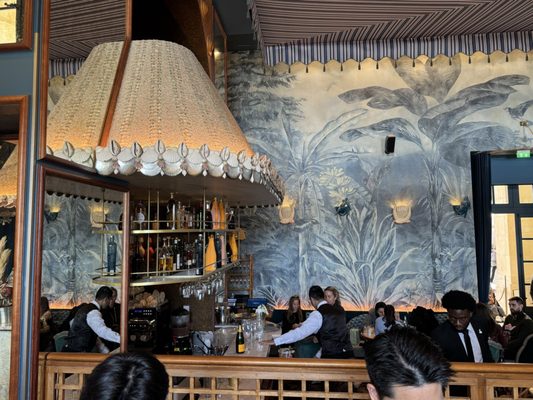
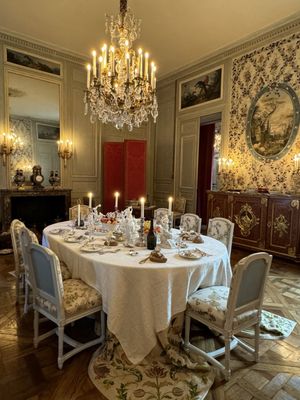
"Zoom out. What’s this place all about? This recent addition to the capital’s cultural offering is unlike any other in the city, largely by dint of its heritage and size. Perched over the Place de la Concorde, the museum occupies the former royal Garde Meuble—the depository for the King’s furniture collections, crown jewels, tapestries, and decorative arts— and what later became the country’s naval headquarters for 200 years. Given that it is only a year old, it remains moderately trafficked but the word is out. A museum's permanent collection is its defining feature: How was this one? Open to the public for the first time in 250 years, its new incarnation as an immersive museum experience allows visitors to explore the 18th century apartments of the Garde-Meuble intendants, recreated and restored to their original layout and design, as well as the structure’s grand reception halls filled with period furnishings, paintings, and objets d’art. Key to the visit is the audio guide, which leans theatrical. Actors take on the roles of important Garde-Meuble intendants, conveying the historical relevance of the building and its objects through scenes and dialogue to liven the storytelling. It's brilliantly done. Exhibits keep us coming back. What can we expect? For the moment, there are permanent collections only however the gallery space, reserved for the Al-Thani Collection (which can be visited using a ticket separate from or bundled with the main apartments), displaying more than 6,000 pieces of antiquity, will feature small but temporary collections. What did you make of the crowd? Depending on the time of year, the visitors vary from family groups to couples and a good number of retirees. Luckily, everyone is immersed thanks to the audio guide and very focused. Not a lot of irritating chatter among guests. On the practical tip, how were the facilities? Navigation is simple and follows the audio guide seamlessly. With the exception of some compact spaces (recreations of bedrooms, studies and bathrooms), it is fairly easy to get around particularly for those with mobility issues. Gift shop: obligatory, inspiring—or skip it? For once, a gift shop worth taking the time to peruse! Period-relevant literature, accessories, and decorative items in addition to an elegant curation of French products (from tea and chocolate to scarves and stationery). Is the café worth a stop? On-site dining is equally as grand, from the romantic Café Lapérouse to chef Jean-François Piège’s Mediterranean outpost, Mimosa. Both are pricey but with absolutely divine interiors worth spending time in, at least for a coffee and pastry. Any advice for the time- or attention-challenged? You could speed through the audio guide in an hour, get a view of the Place de la Concorde from the covered balcony, and take in the jaw-dropping Cabinet des Glaces, a mirror-walled boudoir not unlike the hall of mirrors in Versailles, covered in paintings." - Lindsey Tramuta

"Recently reopened, the Hôtel de la Marine Museum was on my list as a refreshed landmark worth visiting." - Patricia Doherty Patricia Doherty Patricia Doherty is a writer who specializes in covering destinations, resorts, and cruises for Travel + Leisure and other publications. Travel + Leisure Editorial Guidelines
Seth M
Evette
EAU_RA
Laurel D
Yuki. K
Sunny Z.
vic NY (Vic N.
Cristina

Meredith S.

Love K.

Daysi G.

