House of Commons
State parliament · Westminster ·
Hear debates, tour historic halls, witness British democracy


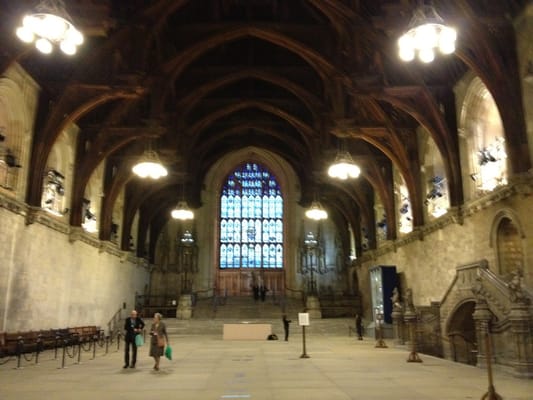


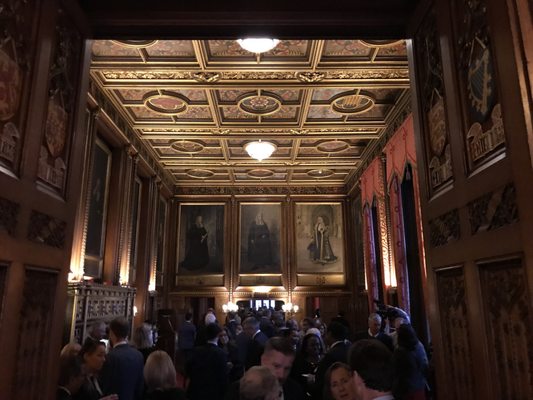


Hear debates, tour historic halls, witness British democracy
"The parliamentary chamber where the prime minister was due to face MPs on 19 January amid rising pressure and calls for him to resign; his appearance there formed part of intensified scrutiny ahead of publication of the Sue Gray report into lockdown‑era gatherings." - Adam Coghlan
"In the parliamentary chamber, an MP publicly accused a children's charity of 'playing politics' over its UK grants during a heated exchange prompted by another MP's denunciation of 'gross inequality', and the Leader of the House later responded strongly. The setting frames the national debate over child poverty, the limits of apolitical charitable action, and the government's approach to social responsibility." - James Hansen
"Following a petition that gathered the 100,000 signatures needed to force a parliamentary debate, MPs will discuss on 11 January 2021 whether to create a dedicated ministerial role for hospitality. The brief petition—simply demanding “Create a Minister for Hospitality in the UK Government”—garnered broad support across the restaurant world after the COVID-19 pandemic exposed the relative political powerlessness of a £130 billion sector. While the trade association U.K. Hospitality can exert influence via the media and by giving evidence to parliamentary committees, restaurants, pubs, cafés and bars currently lack a direct government representative; alternate voices have been limited and sometimes rely on incomplete Public Health England data to claim “it’s not happening in hospitality.” Industry figures such as Asma Khan have criticized the sector’s spokespeople as neither inclusive nor diverse, with televised representatives often coming from large groups and chains, and campaigners including Angela Hartnett and the Seat at the Table initiative argue there is no single area of government to which the sector can coherently direct complaints or policy suggestions." - James Hansen
"The Prime Minister used a video link to address parliament and set out the government's Covid-19 winter plan, announcing that the national lockdown will end next Wednesday and be replaced by a 'strengthened' tier system, with detailed restrictions for hospitality due later in the week. Industry bodies warned the tighter tiers—especially tier three—would amount to a de facto lockdown for restaurants and pubs, risking permanent closures and job losses; the 10 p.m. curfew will be extended by an hour (last orders 10 p.m., doors closed 11 p.m.), which may help dispersal but will not restore lost late-evening revenues. The health secretary answered MPs on behalf of the self-isolating Prime Minister (who experienced a technical issue during the video link), stressing that stricter limits on hospitality are aimed at reducing evening social mixing in confined spaces to protect work and schools; authorities signaled some regions, including parts of London where cases are rising, may be placed in higher tiers temporarily." - Adam Coghlan
"On 4 November the Agriculture Bill is scheduled to return to this legislative chamber; the debate centers on whether post‑Brexit trade deals will be allowed to include food that doesn't meet U.K. standards. The Conservative government has recently pledged not to permit chlorinated chicken or hormone‑injected beef in any deal, but its earlier backsliding—including voting down amendments in October that would have enshrined such protections in law—has left critics skeptical of the new assurances. The National Farmers’ Union, which sits on the new Trade and Agriculture Commission, called the pledge and the commission’s proposed statutory status a “landmark moment” for the countryside and the nation’s food, and the commission will produce a report for lawmakers on the impact of any post‑Brexit trade agreements." - James Hansen
