Hunts Point Produce Market
Market · Hunt's Point ·
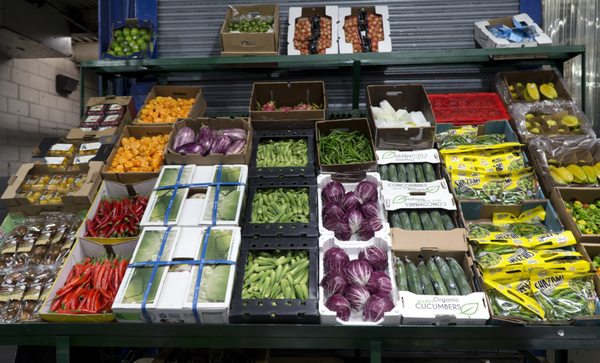
World's largest wholesale produce market, 60% of NYC's fruits & vegetables


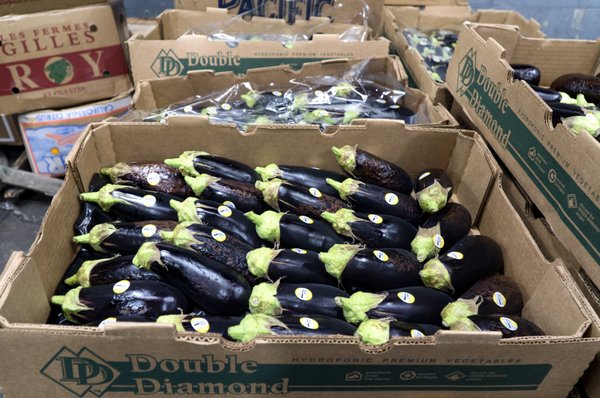
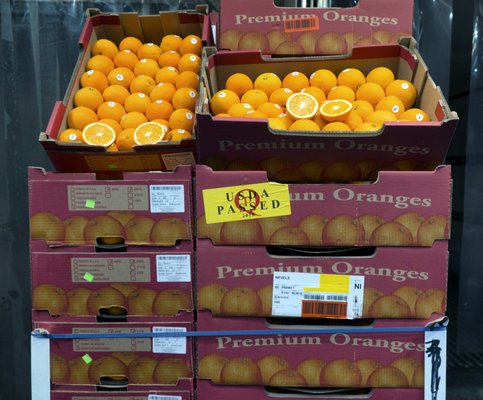
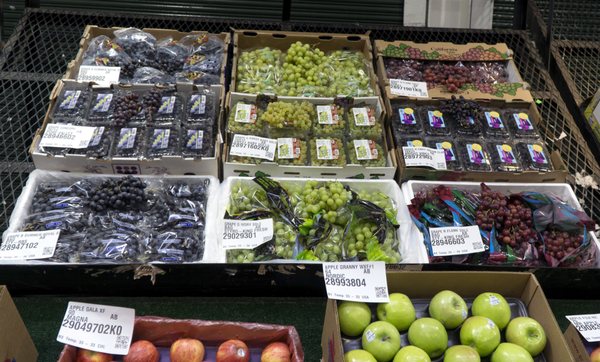


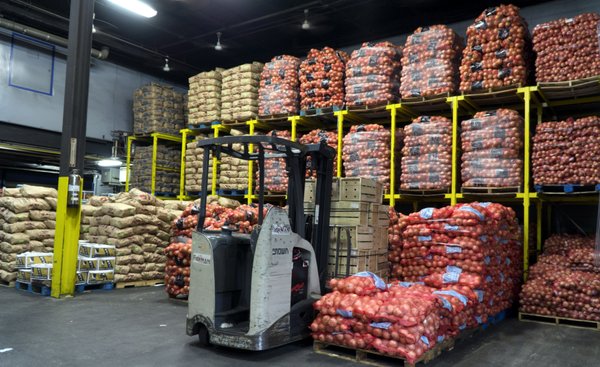







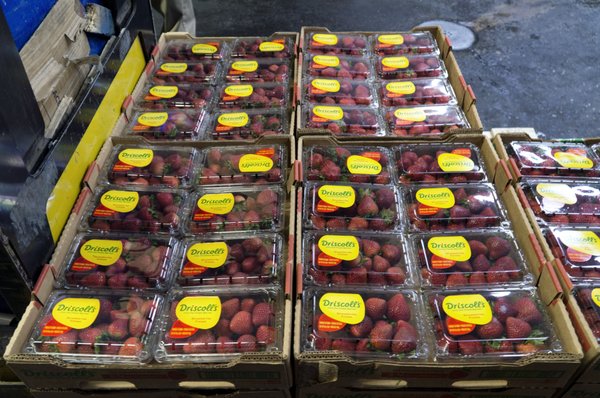


World's largest wholesale produce market, 60% of NYC's fruits & vegetables
"I've seen that the refettorio sources surplus produce from places like the Hunts Point Produce Market, with an Instagram post highlighting Andy Rosa procuring more than 300 pounds of surplus produce from that market for the Harlem refettorio." - Tanay Warerkar
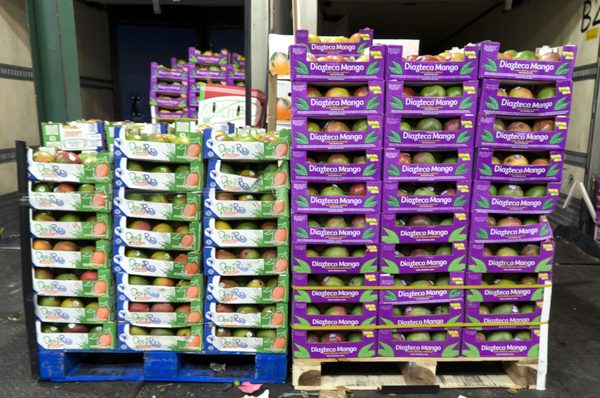
"At the Hunts Point Terminal Produce Market in the Bronx I drive there at night with my 21-year-old granddaughter to reload, working from about 7 p.m. until 3 a.m., moving boxes and building pallets by hand inside near-freezing refrigerated warehouses as we buy each vendor’s specialty — for example, I’ve taken 30 cases of mangoes, three cases of particularly pretty cucumbers, and 18 cases of organic bananas — then have a truck pick up the pallets in the early morning before I sleep for a few hours and head back out to sell." - Gary He
"A weeklong strike by Local 202 in late January drew wide public attention and high-profile allies as essential produce workers sought a new contract amid the pandemic. In the month after the action, workers reported at least 26 terminations tied to employers inside the market, with some sources estimating the true number could be closer to 40; employees suspect retaliatory firings despite management explanations that layoffs were due to slowed business. The contract fight centers on wages and benefits — including a $19.27 minimum starting wage for covered hires versus a $16.75 first-year wage for employees hired after January 17, plus a 90-day at-will provision before workers receive roughly $1,200+ monthly health-and-welfare contributions and $4.96 per hour toward pension — a structure many workers say enables cycling through staff before benefits vest (colloquially called an “89-day special”). Tensions remain high on the floor, with strained relations between those who struck and those who crossed the line, widespread fear of management scrutiny, and legal hurdles to proving unlawful retaliation under the National Labor Relations Act; even so, many who participated say they do not regret standing up for better pay and conditions." - Alexandria Misch
"Workers at the produce market went on strike over a stalled contract and low management offer (32 cents an hour versus the union’s $1 demand), ultimately securing a phased raise that begins with a 70-cent increase in the first year (including a 30–40 cent employer benefit contribution), followed by another 50 cents in 2022 and a final 65-cent installment before the cycle restarts. The action, which drew emotional testimony from long-time porters and day workers (one in a tier earning an $18-an-hour base who stands to gain the most), was tense at times: police showed up in force and organizers say heavy-handed tactics were recorded and widely condemned. High-profile visits and solidarity—by elected officials, activists, and public figures who brought visibility and material support like donated food—helped protect pickets, push talks back to the bargaining table, and sway public opinion. Alongside relief and pride about the victory, workers voiced concern about possible supervisor retaliation, and small moments of community sustenance (shared pizzas, donated tamales) became meaningful symbols of solidarity that people say they will remember." - Alexandria Misch
"A major wholesale produce market that served as the source for fruits and vegetables purchased to support weekly community distributions, enabling elected officials and partner organizations to provide fresh produce to neighborhoods in need." - Chris Crowley

