Itsukushima
Island · Hatsukaichi ·
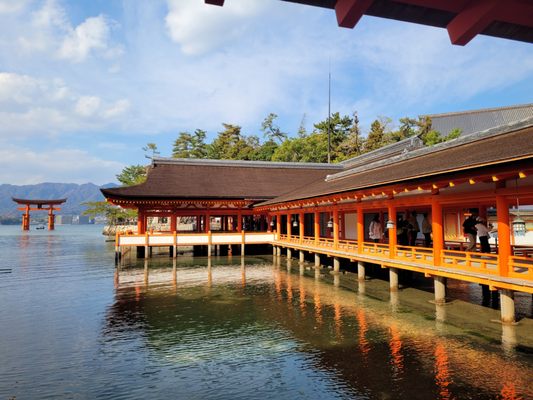
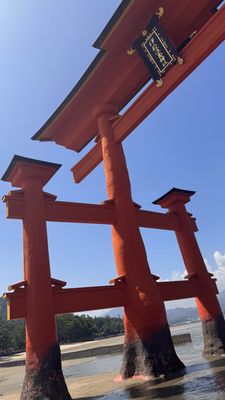
Floating torii gate, UNESCO site, tame deer, local oysters











Information
Miyajimacho, Hatsukaichi, Hiroshima 739-0588, Japan Get directions
Floating torii gate, UNESCO site, tame deer, local oysters
Miyajimacho, Hatsukaichi, Hiroshima 739-0588, Japan Get directions
"On a smaller scale, on October 1, Japan's popular Itsukushima Shrine began implementing a tourist tax on visitors visit the Miyajima island, where the UNESCO World Heritage Site is located, in order to “create a sustainable tourist area that is good to live in and good to visit.”"
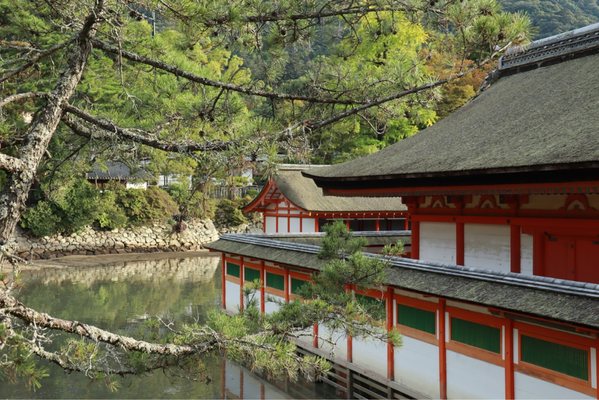
"The entrance to Miyajima is guarded by the spectacular Itsukushima Shrine, with its iconic floating torii offshore. The island is heavily populated with native deer, and on the hike up Mount Misen, you may also encounter the occasional mischievous Japanese macaque." - Travel + Leisure Editors
"A short ferry ride brings you to Miyajima, an island offering hiking, a cable car to the mountain peak for views, and easy access from Hiroshima (the one-way ferry takes about 10 minutes and is free with a JR Pass)." - Matthew Kepnes
"I can reach the island of Miyajima via a JR-operated ferry from Hiroshima, and that ferry is included with the Japan Rail Pass, making access to the island convenient as part of JR travel benefits." - Matthew Kepnes
"This island, about five hours from Hiroshima, is a long-standing centre of traditional soy sauce production where 20–30% of Japanese soy sauce is still fermented in wooden vats. Despite nationwide mechanisation, small local producers continue time-honoured koji-based fermentation methods that yield distinctive aromas and flavours tied to the island’s climate, geography and food culture — yet many face falling sales and a shortage of successors. Keiko Kuroshima, a soy-sauce sommelier based here and recognised by leading traditional makers in 2009, honed her tasting skills through monthly inspections, visits every manufacturer, and by cooking with their products; she now educates chefs and consumers on correct pairings (for example, using a lighter usukuchi for delicate fish rather than a rich sashimi sauce). The island’s makers contribute key regional shoyu styles found around the Seto Inland Sea and play an outsized role in preserving Japan’s soy sauce traditions." - Tom Miyagawa Coulton


