Michigan Supreme Court
State government office · Lansing ·
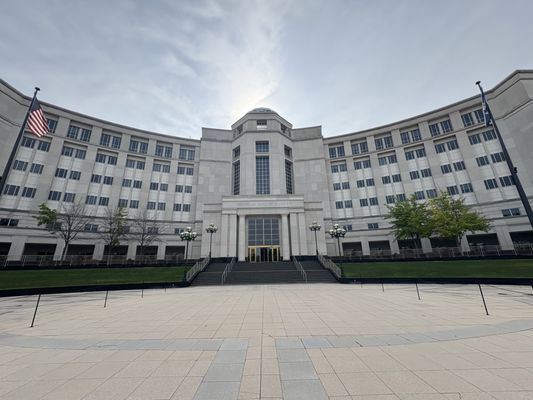
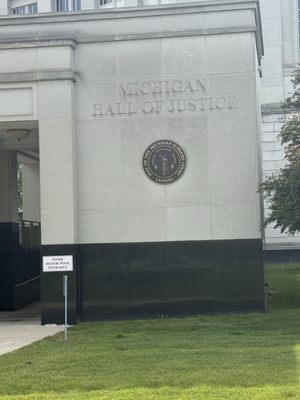
Michigan's highest court, state hall of justice








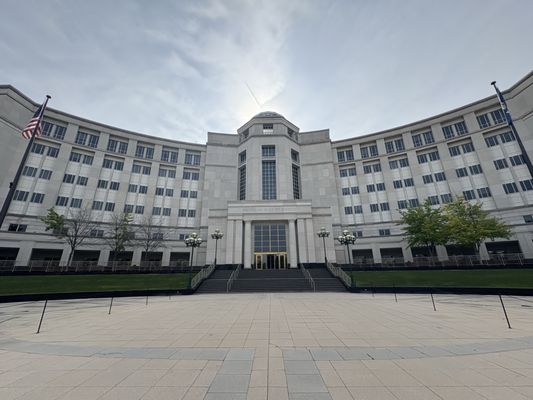
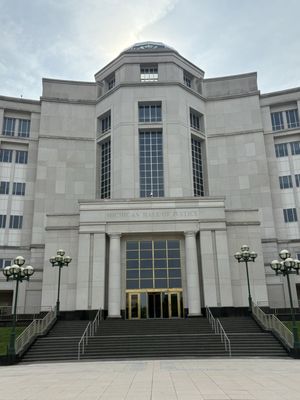





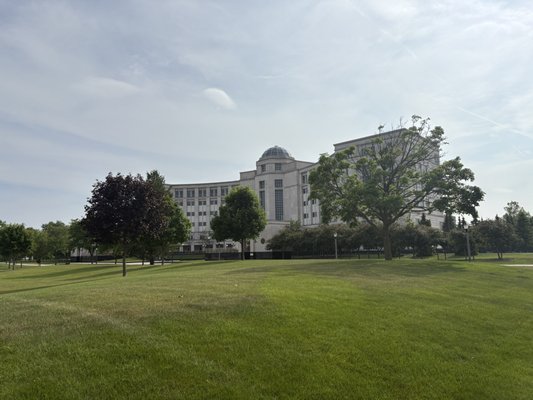


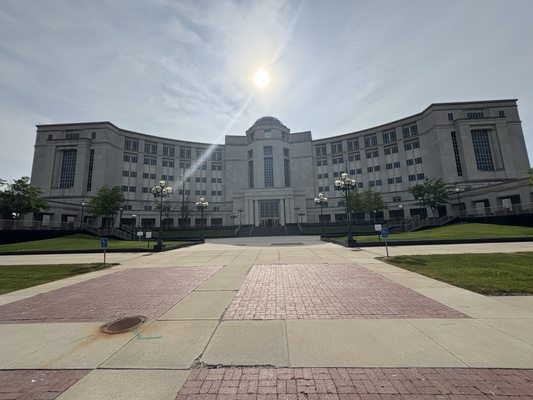

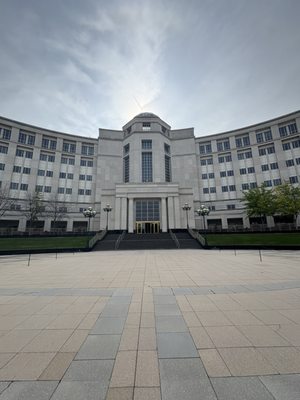

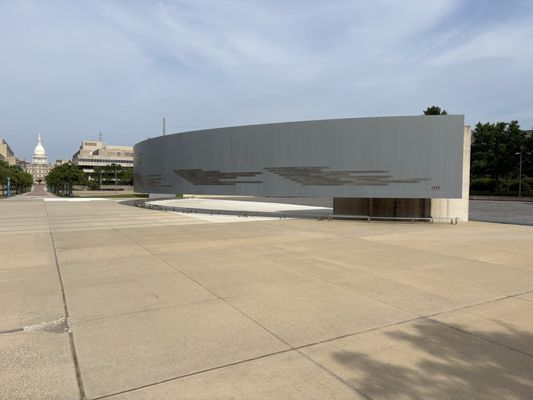
Michigan's highest court, state hall of justice
"This court clarified that the tipped minimum wage will be gradually eliminated by 2030, an action that effectively set a countdown toward the current week for wage increases tied to that clarification. That earlier and related judicial context includes a 2024 ruling by this court that struck down a maneuver to amend citizen-led initiatives as unconstitutional; commentators warn that repeating similar legislative maneuvers would again undercut constitutional protections for initiatives." - Serena Maria Daniels
"The state’s highest court issued a 4–3 ruling that invalidated the governor’s post–April 30 emergency declarations and related executive orders, finding the governor lacked authority under the Emergency Management Act and that the Emergency Powers of the Governor Act improperly delegated legislative power; the decision, handed down in early October and later confirmed as effective immediately, was issued by a narrow majority and has sowed widespread confusion about statewide COVID-19 rules while prompting concerns about a resulting patchwork of local responses. The ruling does not affect public-health orders issued by the state health department, and its legal and practical ramifications for enforcement and ongoing pandemic measures remain contested." - Brenna Houck
Chad B.
Donald M.
Sarah W.
Brig S.
Eli K.
Michael M.
William B.
Richard Wayne Laming I.

Tim T.
