Minneapolis Sculpture Garden
Park · Lowry Hill ·
Iconic sculptures including Spoonbridge and Cherry, free entry



















Iconic sculptures including Spoonbridge and Cherry, free entry
"I attended the annual Pride Beer Dabbler at the Minneapolis Sculpture Garden on June 28 — an evening of endless local beer and cider sampling with live entertainment and food from vendors; the event ran 6 p.m. to 9:30 p.m. and tickets ranged from $20 to $70." - Justine Jones
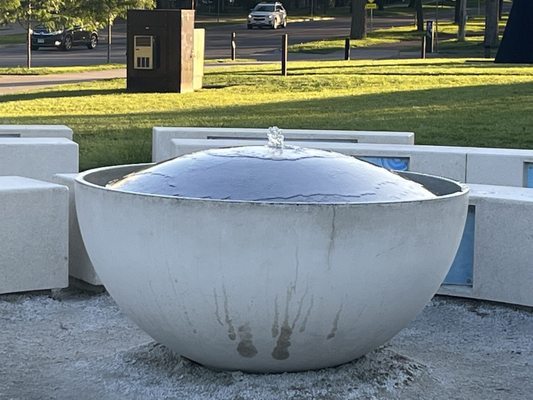
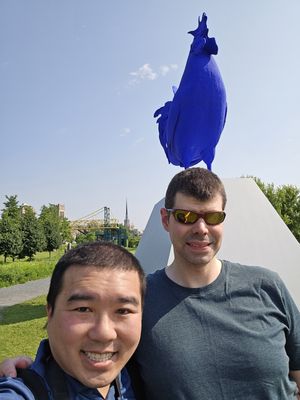
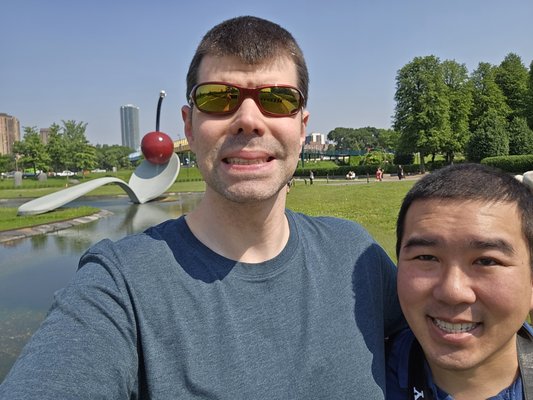
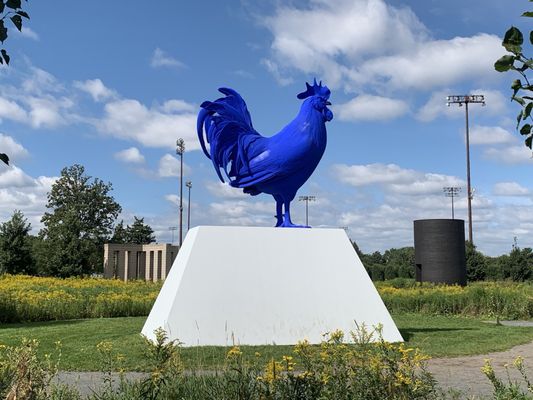
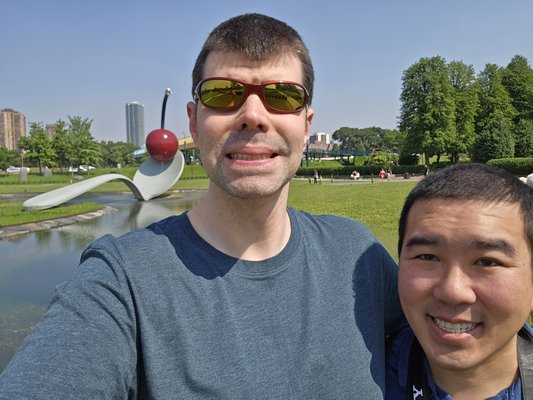
"Located next door to the Walker Art Center, the Minneapolis Sculpture Garden features more than 60 works by big names like Alexander Calder, Sol LeWitt, and Robert Indiana. At its center stands Claes Oldenburg’s iconic Spoonbridge and Cherr y, which locals regard as an unofficial symbol of the city. Perhaps the best thing about the sculpture garden, however, is that it’s free, unlike the Walker—or the surrounding parking, for that matter. It’s open 365 days a year, from 6 a.m. to midnight, and also hosts the two-day Rock the Garden musical festival every June."

"Located next door to the Walker Art Center, the Minneapolis Sculpture Garden features more than 60 works by big names like Alexander Calder, Sol LeWitt, and Robert Indiana. At its center stands Claes Oldenburg’s iconic Spoonbridge and Cherr y, which locals regard as an unofficial symbol of the city. Perhaps the best thing about the sculpture garden, however, is that it’s free, unlike the Walker—or the surrounding parking, for that matter. It’s open 365 days a year, from 6 a.m. to midnight, and also hosts the two-day Rock the Garden musical festival every June."
Brittany B.
Jair N.
Don S.
Jimmy S.
Sarah A.
Christopher O.
James M
Destinee H.

Lauren H.

Erica R.

May A.

Amanda M.

Angela P.

Amanda B.

Kim W.

Rebecca M.

Carly W.

Maggie G.

Diane B.

Christina R.

Kathleen W.
William K.

Kristina G.

Tank G.

Olabisi P.

Ken O.

Andrea R.

Dorothy H.

Vivian C.

Brad W.

farigol b.

Warren D.

Chassidie L.

Andy K.

Dominik D.

Jess B.

Tony M.

Jason K.

Elizabeth C.

Adam K.

Ernie H.

Kayla Y.

Maronda H.

Amber E.

Kong L.

Elle B.

Gia C.

Megan W.

Mary T.

Holly F.

Holly W.
Carly L.

Jon W.

Andrea M.

Katy C.

Beatriz D.

Jade W.

Cori F.

