Jared M.
Google
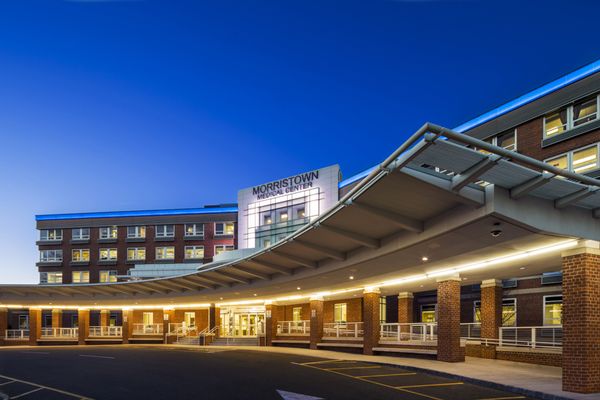
I was a patient at Morristown Hospital last.
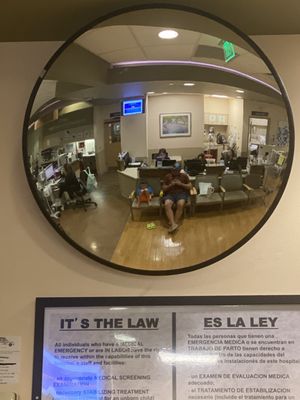
I arrived between 5:00–5:30 a.m. with severe pain in my right side, just below the rib cage. The pain radiated into my back and stomach. The initial team that greeted me and attached electrodes was kind and professional. Shortly after, I was placed on a gurney in the hallway of the ER.
At that point, I was in excruciating pain and barely able to communicate. My girlfriend, a nurse practitioner who previously worked at Morristown for 12 years, spoke on my behalf. I received a shot of Toradol. When she questioned why something stronger wasn’t administered, the nurse responded, “This is our procedure—we have to wait 30 minutes.”
After the wait, I was given another Toradol injection and told I would be taken for an X-ray. I was still curled up in a fetal position, screaming in pain. When my girlfriend asked how I could be expected to stand or lie flat for imaging in that condition, the nurse shrugged and walked away.
At that point, I told my girlfriend I was done and wanted to leave for another hospital. As I was getting dressed, a new doctor (during shift change) approached us, asked what was happening, and after hearing the situation, I received narcotics within ten minutes. Another dose was given soon after, and the pain finally became manageable.
During this time, my girlfriend requested to speak with the charge nurse. When she arrived, she condescendingly asked, “Is he always like this?” To which my girlfriend responded, “You mean writhing in pain and screaming? No. He never complains.”
I was then sent for a series of tests: X-ray, CT scan, CT scan with contrast, and an ultrasound—performed in the hallway while I was wearing nothing but my boxers, surrounded by people casually chatting. I later found out the initial ultrasound was only educational. A proper one was done about an hour later.
The results revealed an inflamed gallbladder with gallstones and sludge.
After 18 hours on a hallway gurney and another shift change, I still had no clear next steps. A third doctor mentioned a HIDA scan. I felt like giving up. Multiple people bumped into me while I lay in pain; one EMT even grabbed my foot. When I confronted him, he just apologized and walked away. I reported this and asked again about next steps.
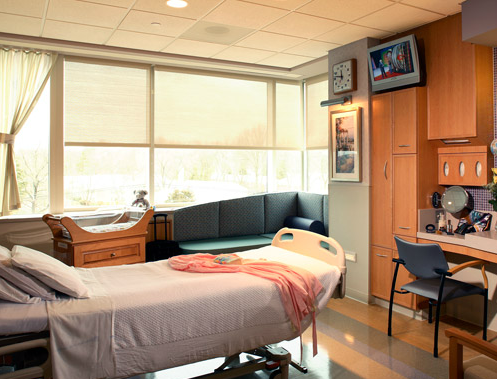
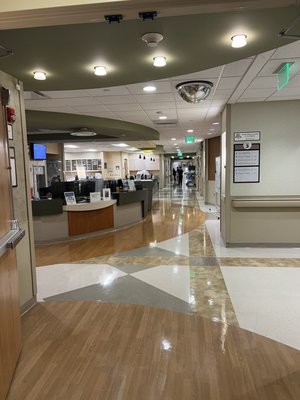
Eventually, I was told I’d be moved to a bed outside of the ER. That “bed” turned out to be another gurney placed in front of a nurses’ station under a bright light that couldn’t be turned off, with no curtain for privacy. My girlfriend was horrified. An hour later, I was finally moved to a proper room—by then, it was 2–3 a.m. I managed to sleep a little.
The following day, I underwent the HIDA scan. When I returned, I found my belongings had been hastily packed—an open bottle of mouthwash had spilled over all my clothes. I was told I had been placed on the wrong floor and needed to be moved again.
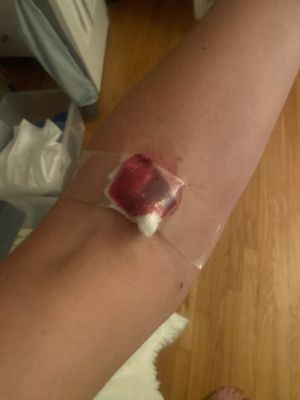
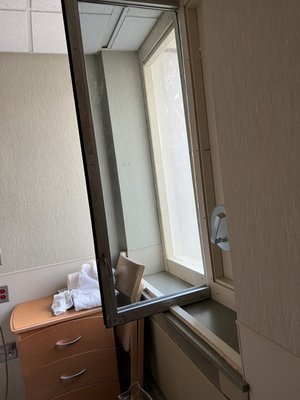
I was transferred to a shared room, which was filthy. I waited in the lounge for my results, which confirmed gallstones, an inflamed gallbladder, and sludge. I was told I would need to stay another night for observation, but I refused. My girlfriend removed my IV, and we left.
This entire experience was unacceptable. I felt neglected, dismissed, and humiliated. The communication was disorganized, the tests seemed excessive or redundant, and the staff was clearly overwhelmed.
My girlfriend, who spent over a decade working at Morristown, was shocked and saddened by what she witnessed.
The very next day, I went to St. Luke’s in Easton. I was immediately taken into the ER, properly medicated, given a thorough ultrasound, and underwent surgery within five hours. They removed my gallbladder, repaired a hernia, and reconstructed my belly button.
I am deeply disappointed in the care I received at Morristown Hospital and felt compelled to share my experience in the hopes that it leads to better treatment for others.
Sent from my iPhone