Musée national des arts asiatiques - Guimet
Art museum · Chaillot ·
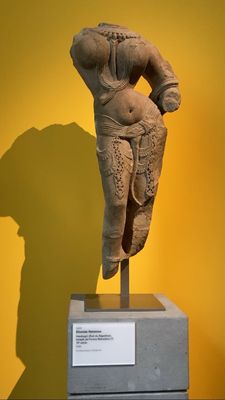
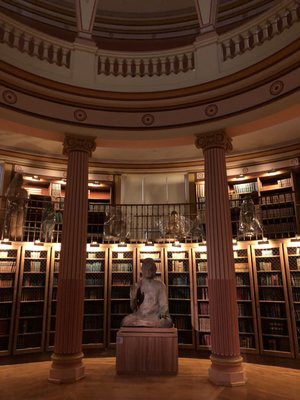
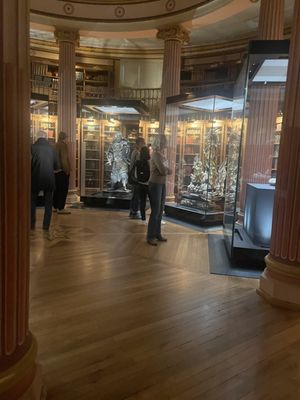
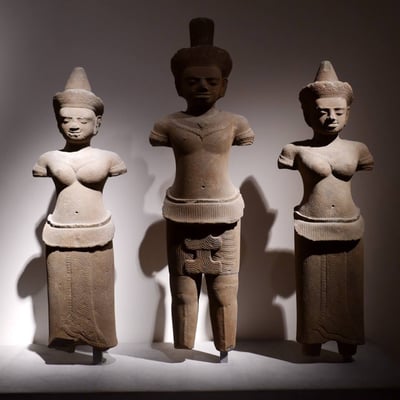
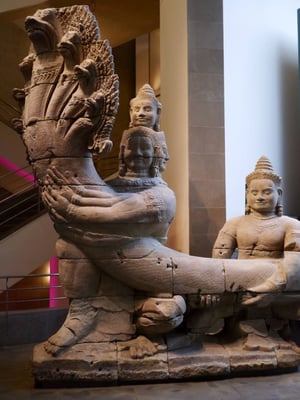
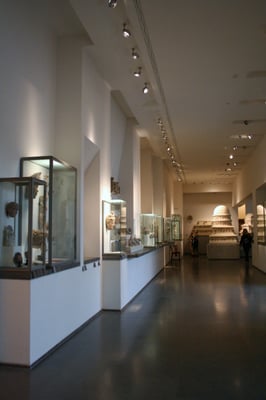
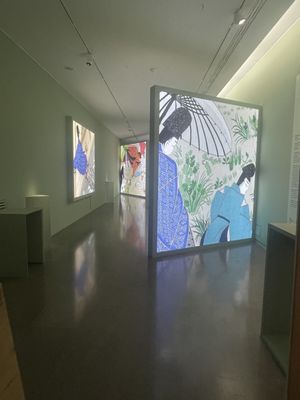
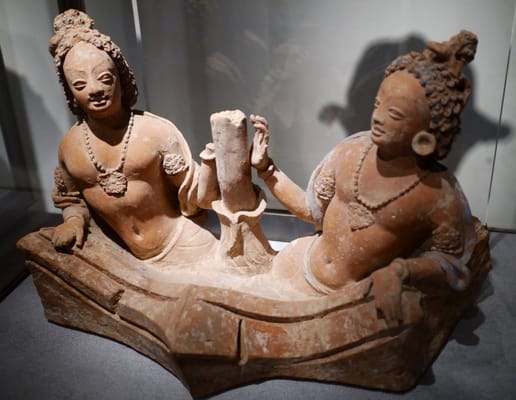
Vast Asian art collection including Cambodia, India, Japan, China


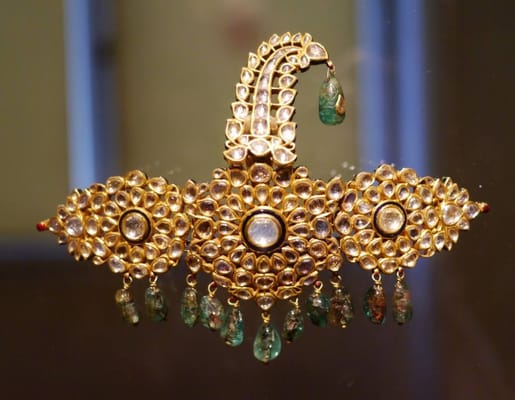
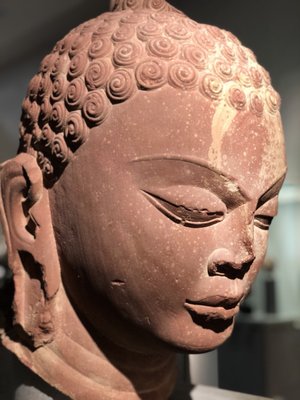
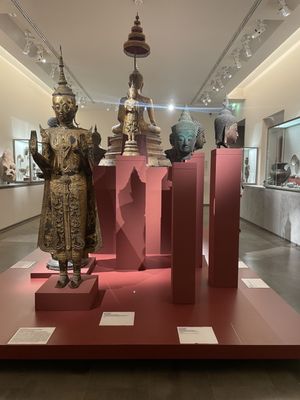
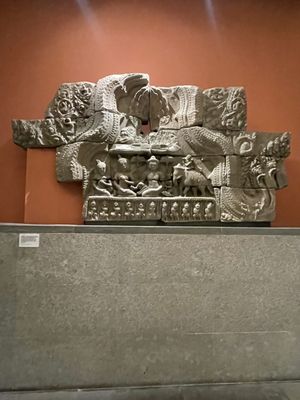
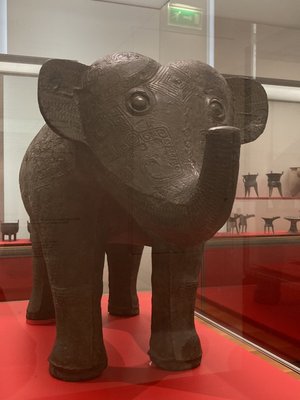
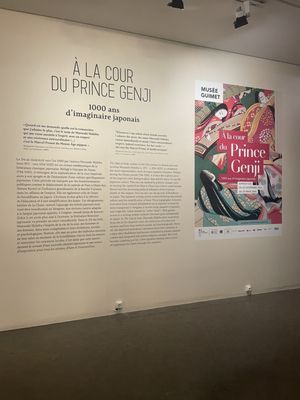
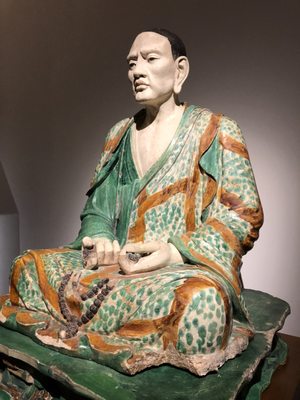
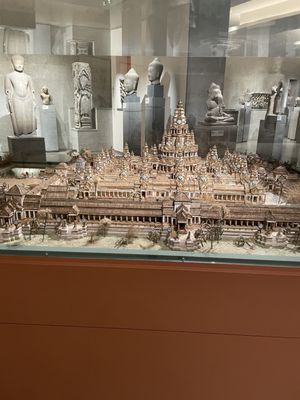





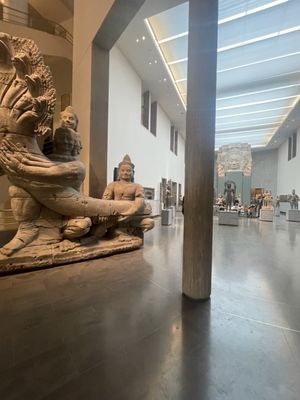
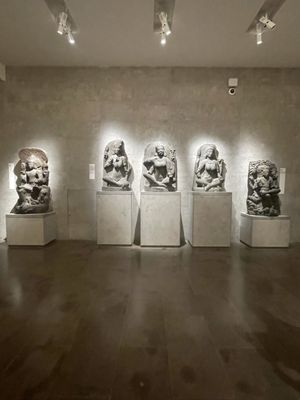

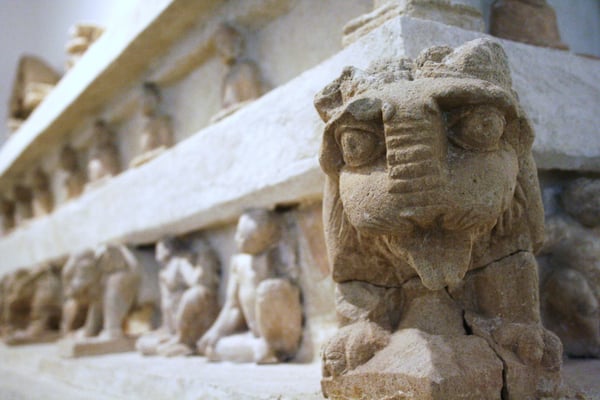

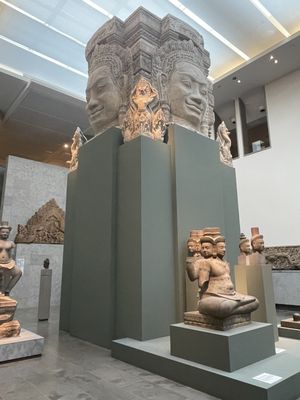




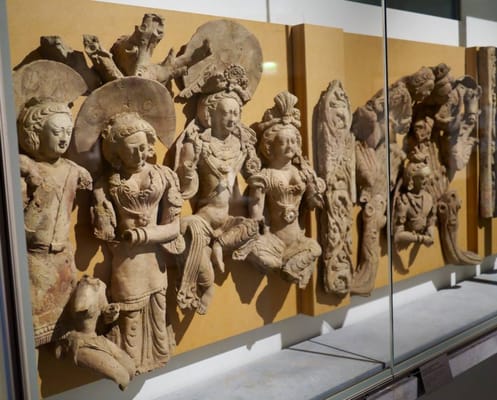


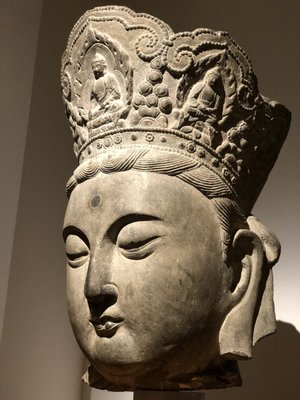
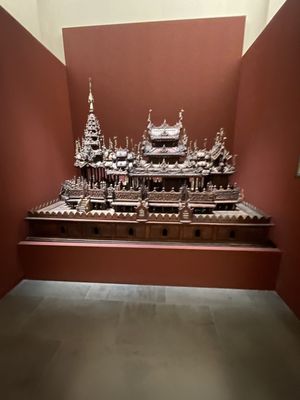


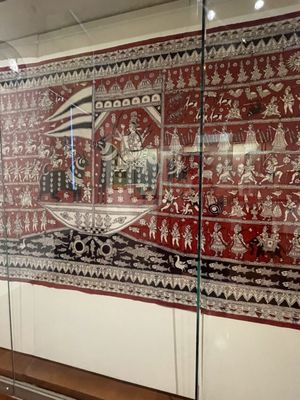
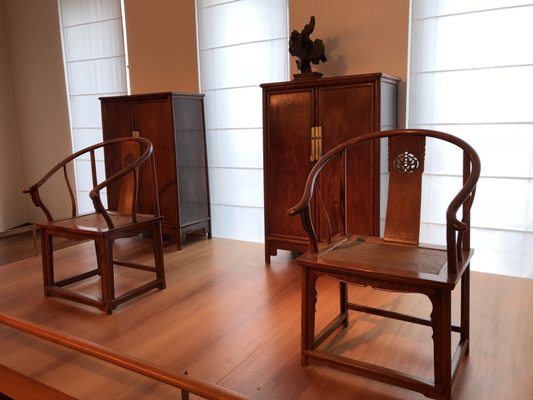
Vast Asian art collection including Cambodia, India, Japan, China
"Built on the long-running passion of chef Young Kyoung Lee, who began as a Korean family-style restaurateur and now oversees the restaurant inside the Guimet Asian Arts Museum, this offering brings kimbap, bulgogi, and bibimbap to a museum setting. This summer the chef is also serving K-cuisine on a rooftop with a DJ soundtrack and night-time views of the Eiffel Tower, blending casual Korean favorites with a lively, scenic dining experience." - Mary Winston Nicklin
Azar
J F
Seth M
Morgane Crosnier De B.
Deepesh D.
Timothy R A.
Asako K
Atosi R.

Samah I.

Tara B.

Chris C.

Tina C.

Sam S.

Wendy D.

Eric D.

Lam N.

Qype User (.

Thomas M.

Lady G.

Guillaume D.

Carolyn L.

Michael U.

Paul M.

Chris B.
