G I N.
Yelp
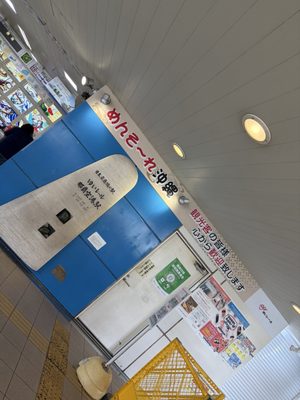
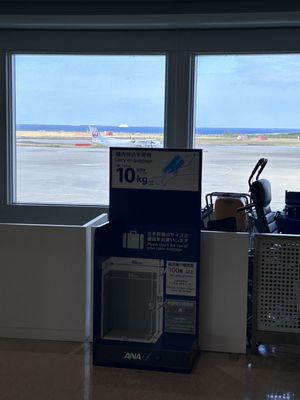
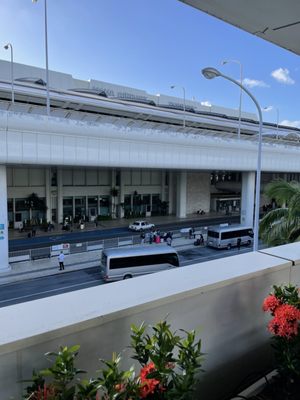
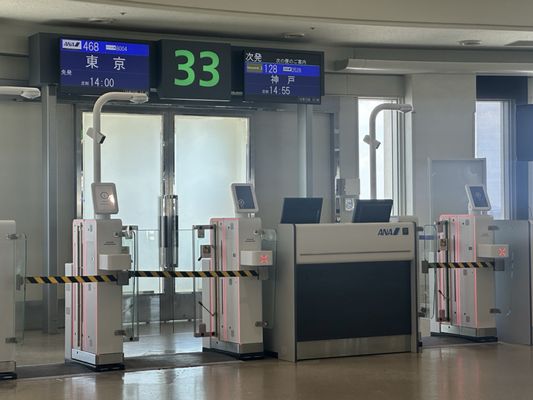
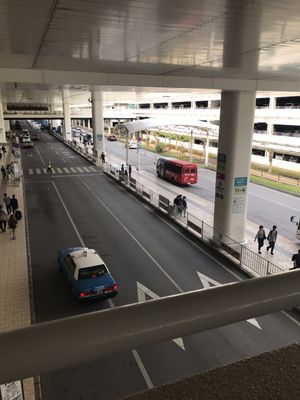
2024-07-01. Naha Airport. Okinawa, Japan.
Okinawa is the Hawaii of Japan. It's positioned in the south and is between Taiwan and the mainland. It's tropical weather experiences winters of 15°C (59°F) and summers can reach the upper 30°C (100°F). With the end of WWII, the US set up a military base there, and Okinawa culture became a blend of 3 influences mixed with their own. The result is a unique culture unlike any other.
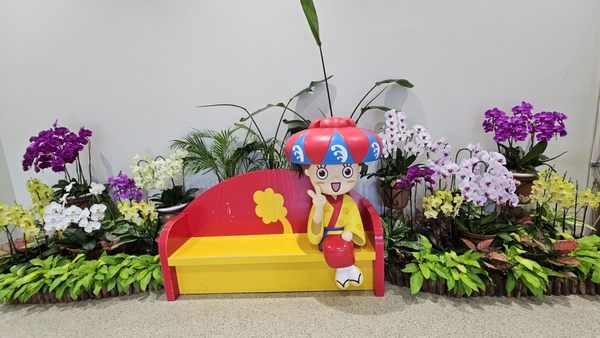
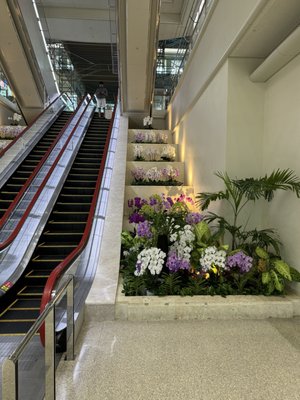
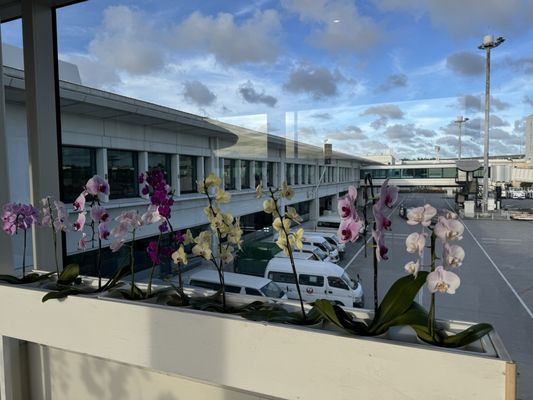
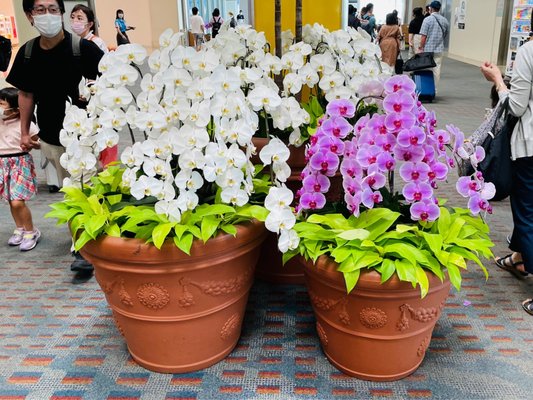
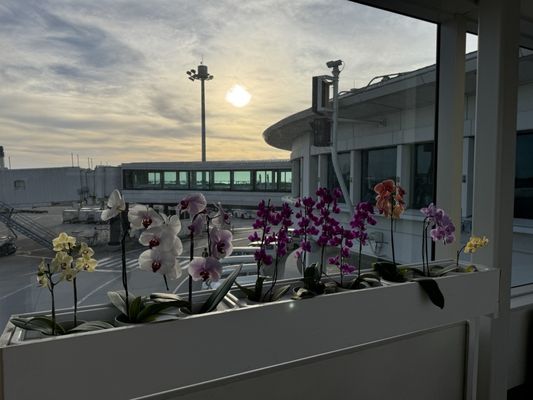
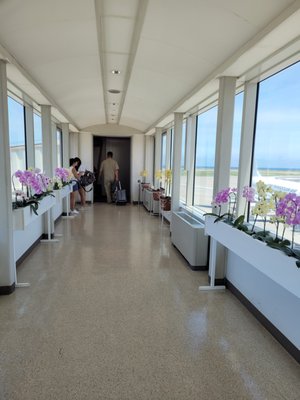
When you land at Naha, the jet bridge will hit you with a wave of heat with your first step off the plane. Round the corner of the cab, and you're instantly greeted with beautiful local flowers. The flowers are not low maintenance plastic replicas, they're alive and growing!
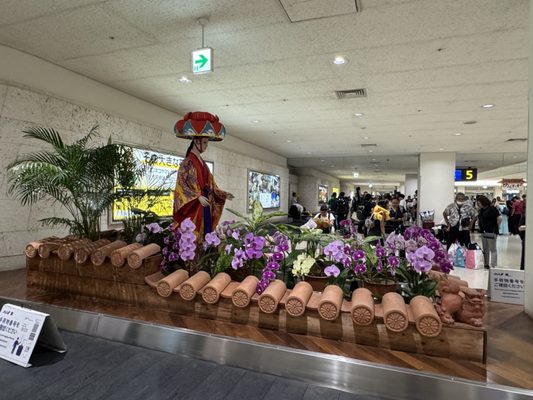
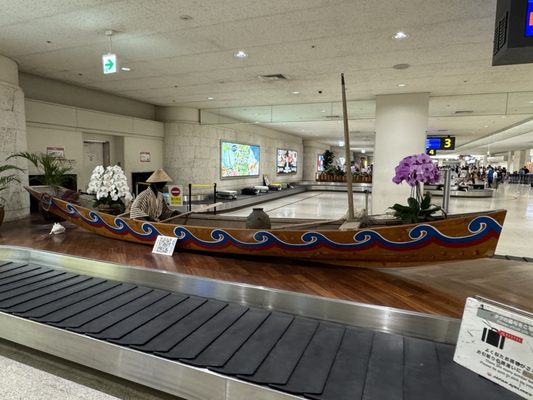
Flowers and plant arrangements are littered throughout the airport, even in the luggage retrieval areas. The entire place gives off that Polynesian vibe we know and love, and to think, it's a short flight away from the Japan mainland!
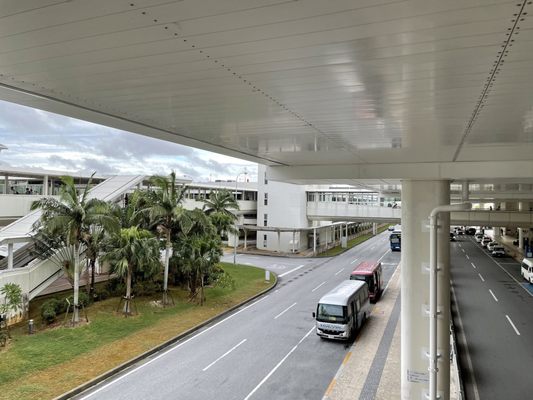
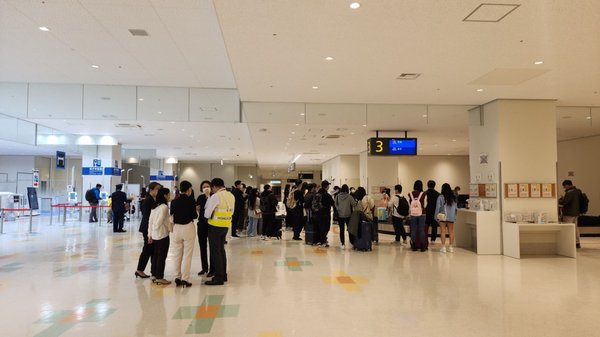
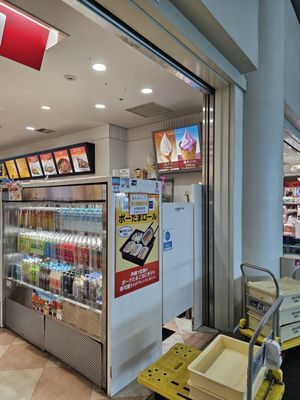
The airport is quite large and spacious and has all your usual suspects: souvenir shops, duty free, restaurants, and regular retail outlets. Like Hawaii, you'll notice that local prices here are higher than the mainland (about 15% higher based on the vending machines). The walkways are wide enough to support traffic and there are moving sidewalks (flat escalators) for those that prefer a more leisurely pace, or want to take in the surroundings.
There are some local foods that are famously Okinawan and a must try if you're visiting. We didn't get to experience them all, but the list is also quite extensive... Here's what we did try:
1. Aguu pork. A special breed introduced to Okinawa from China over 600 years ago. The meat has intense marbling and a slightly sweet taste.
2. Ishigaki beef. It falls into the Wagyu category and a soft texture with rich marbling that melts in your mouth.
3. Beni Imo. Purple sweet potato. This can be found in a variety of foods and dishes ranging from main courses to desserts.
4. Soba noodles. In Okinawa, soba noodles are wheat noodles, not buckwheat. Okinawa soba resembles more of a ramen than a traditional soba.
5. Goya Champuru. Goya is a bitter melon. Champuru means mixed. This is a flavorful stir fry blend of veggies and bitter melon. It's not as bitter as you think.
6. Hirayachi. A savory fried pancake that consists of eggs, flour, salt, black pepper, and green onion. Also known as the "emergency food" because in bad weather and power outages, it can still be made on a portable butane stove with staple ingredients.
7. Refute. The Chinese inspired pork belly dish slow braised in awamori (Okanawan distilled liquor).
8. Onigiri. Traditionally in triangular form, it can really take on any shape. Square and rectangular onigiri are more of a meal while the triangles are more of a snack. It's essentially seaweed and rice with a variety of fillings. Spam and egg originated in Okinawa but can now be found in the major area with the "Golden Triangle" (Tokyo, Kyoto, Osaka.)
9. Umibudo. Umibudo translates to sea grapes, and is aptly named as it resembles a tiny string of grapes. It's a type of edible seaweed that only grows in the warm waters of Okinawa. The little balls pop in your mouth, releasing a fresh but salty taste.
10. Jimami Dofu. Tofu is made from many things now and not just soy. Egg tofu has gained a lot of popularity in the past decade for its super smooth texture. Jimami dofu is made from peanuts and has a springy texture, making it great for desserts.
11. Sata Andagi. AKA the Okinawan Doughnut. Okinawa is known for their black sugar, which is the star ingredient in this dish. It gives this dense, crunchy, deep fried cake a sweet and smoky flavor.
12. Chinbin. This is a black sugar pancake. Another treat that is rich in flavor and slightly moist in texture.
13. Chinsuko. Okinawa's famous cookie and most popular souvenir. These resemble shortbread, but are more fragile and melt on your tongue as soon as you bite into them.
14. Blue Seal Ice Cream. Okinawa is the hottest place in Japan. Even in winter, it rarely drops below 15°C (59°F). Blue Seal is originally Okinawan, but can now be found all over the country. It has American roots, and you can find out more on my review of Blue Seal Ice Cream.
15. Shikuwasa Cytrus. A small green fruit native to Okinawa and Taiwan. Its flavor profile is somewhere between a grapefruit and a lemon. Used mainly to flavor dishes similar to using lemon and lime, it can be used to flavor just about anything from drinks, ice cream, cakes, and even salad dressing.
Not native to Okinawa, but also a must try is Hokkaido Milk, or anything that uses Hokkaido milk as an ingredient, especially cakes, pastries, and desserts.
If you'd like to experience more, come dine-with-me.yelp.com. I'd love to have your company... welcome to Japan and Bon Appétit!