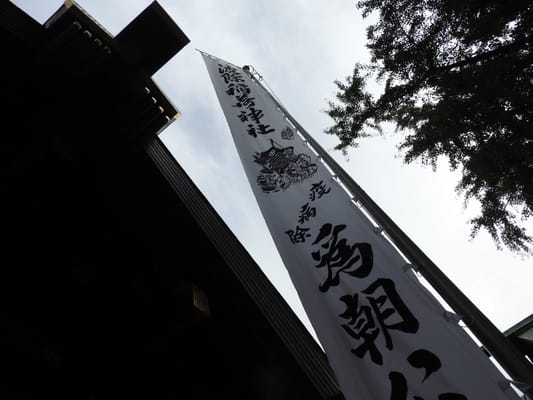
Namiyoke Shrine
Shinto shrine · Chūō ·

Namiyoke Shrine

Shinto shrine · Chūō ·

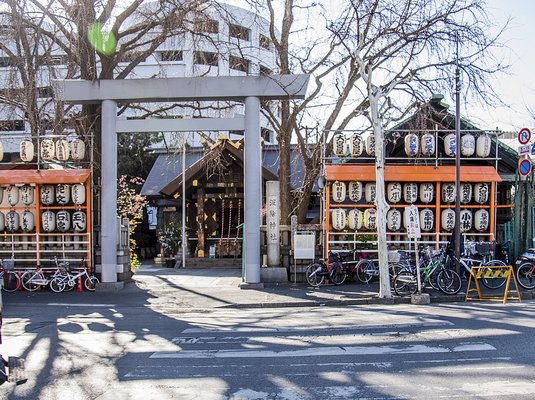
Shrine with guardian lions, seafood tsuka, and wave protection

tsukiji outer market
protection from waves
shinto shrine
dragon heads
lion heads
locals pray
small shrine
good fortune
Namiyoke Shrine by null

Information

6 Chome-20-37 Tsukiji, Chuo City, Tokyo 104-0045, Japan Get directions

Restroom

Information

Static Map

6 Chome-20-37 Tsukiji, Chuo City, Tokyo 104-0045, Japan Get directions

+81 3 3541 8451
namiyoke.or.jp
@namiyokejinja

Features

•Restroom

Last updated

Dec 28, 2025

Powered By

You might also like

Terms of Use • Privacy Policy • Cookie Policy
 © 2026 Postcard Technologies, Inc.
@michelinguide
48,367 Postcards · 8,026 Cities

All You Need to Know About Toyosu and Tsukiji Markets

"With a history dating back to 1659 and dedicated to the god of food, this shrine’s main building was rebuilt in 1937 in the same style as Japan’s main shrine, Ise-jingu." - Kyoko Nakayama

https://guide.michelin.com/en/article/travel/tsukiji-toyosu-market
Namiyoke Shrine

Ry P.

Google
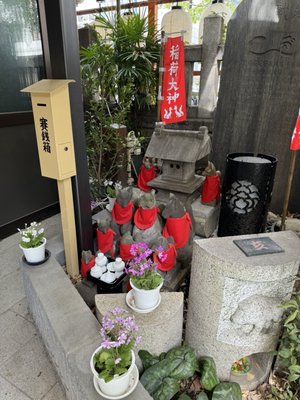
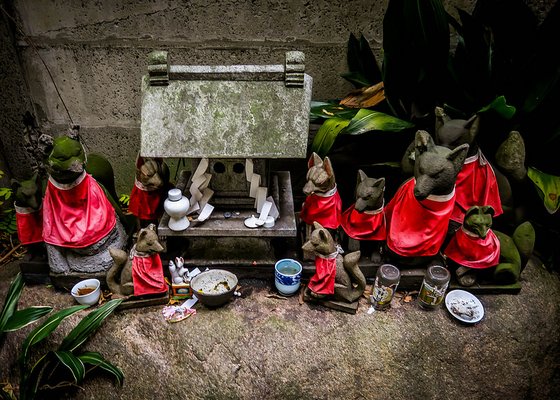
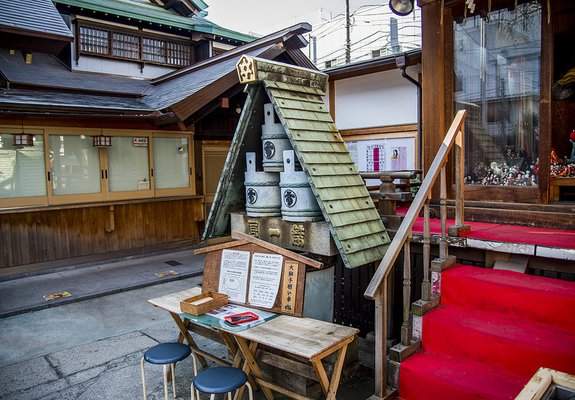
Namiyoke Shrine is a small but charming Shinto shrine located just steps from the bustling Tsukiji Fish Market. Dedicated to the god Inari Okami, the shrine is believed to protect from natural disasters and bring good fortune to businesses. The shrine is particularly known for its numerous tsuka, stone sculptures dedicated to various seafood ingredients. These range from shrimp and kelp to tamago (egg) and even eel. The most famous tsuka is the egg-shaped stone, which is said to bring good luck to those who touch it. The atmosphere at Namiyoke Shrine is peaceful and serene, making it a welcome respite from the busy market. It's a great place to take a moment to reflect and appreciate the beauty of traditional Japanese culture.

Francine L.

Google
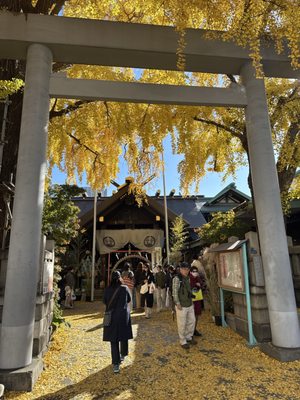
The Namiyoke Inari Shrine is a Shinto Shrine originally built in 1657. The name of the shrine literally translates to "protection from waves.” After the 1923 earthquake, the shrine became the protective guardian for the workers in the nearby Tsukiji Fish Market. I didn’t take many pictures as the “kannushi” (Shinto priest) was in the midst of prayers during my visit. There was a steady stream of people dropping by to pray while I was there.

Gaby

Google
Namiyoke Shrine is a nice shrine at the end of the fish market Main Street.

44 G

Google
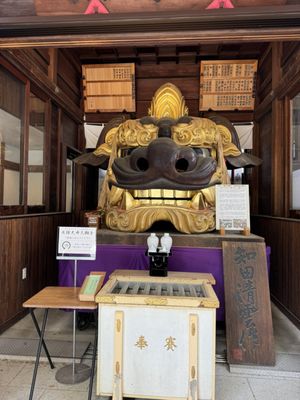
Shrine near Tsukiji Outside Market. Built in the Edo period (1603-1867), it was enshrined as Nami-yakuwari Inari, or "to ward off calamities and overcome waves," and has watched over the development of Tsukiji. It is a small shrine with many worshippers. The lions placed on both sides of the approach to the shrine are worth seeing.

KY

Google
Namiyoke Shrine located in Tsukiji which wasn’t part of our plans but we stumbled upon it while walking around Tsukiji Market and decided to take a look. It’s a small and quiet shrine with only a few locals present during our visit. Though not a major attraction, it's a peaceful spot worth checking out if you're in the area.

Billie P.

Google
Not a big shrine, but worth to visit if you come to Tsukiji fish market. It is full of history and culture. Also, it is a quiet and nice place to worship.

Eka Dewi W.

Google
Very closed to Tsukiji outer market. At the end of the street. The temple is Shinto, with 2 dragons head protection. Female dragon coloured red on the left side of the entrance. Male dragon coloured black on the right side. Namiyoke means save from waves. I visited early morning and i saw alot of locals pray before they start working in their own shop. The temple store open at 9. Worth to buy various charm and paper cut made to bring hime as gift. Tips: no chair for sit. It is a small temple.

Jim R.

Google
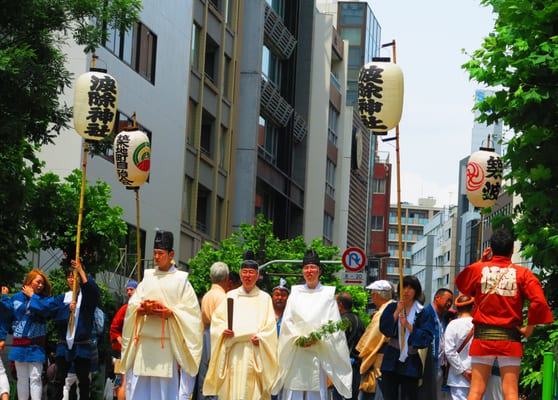
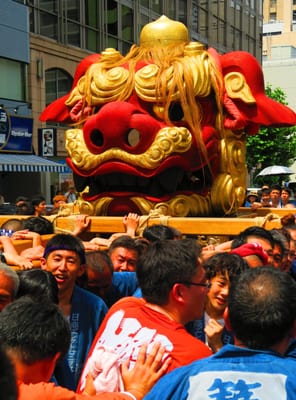
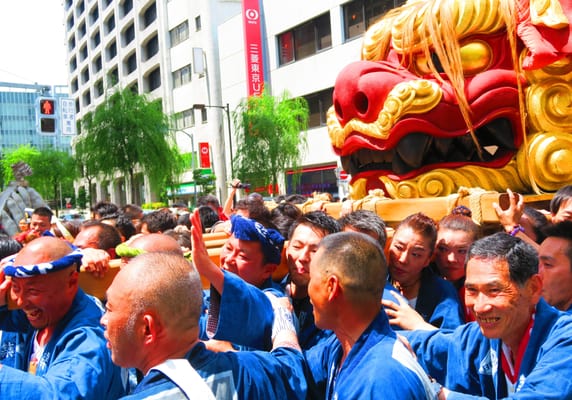
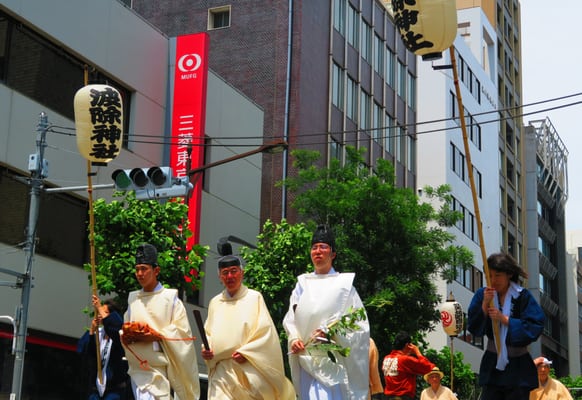
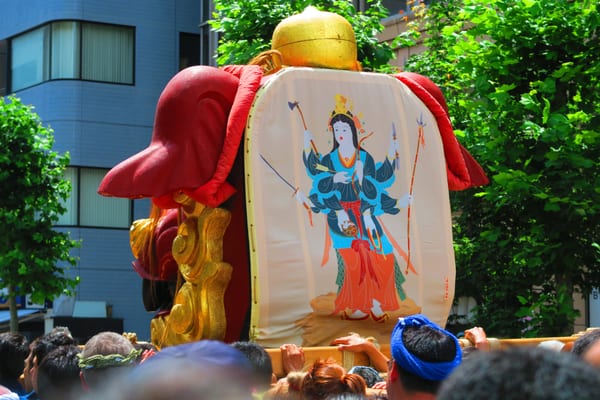
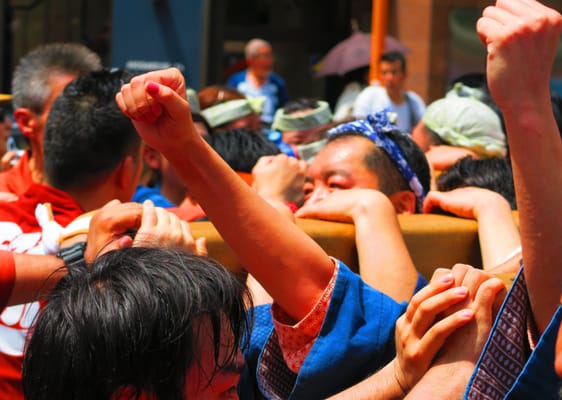
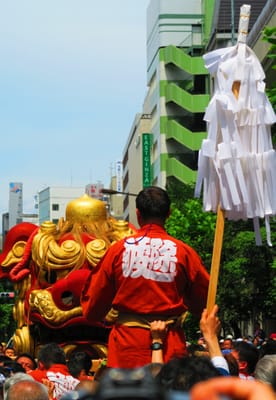
Well, there is nothing like a lion or two to help protect the local fisherman from the madness of the ocean!? This area was built on reclaimed land long ago & was being tormented by the crashing waves time & again. However, local Shinto priests floated an image of this god and the waves stayed put. Today, local workers come here to pray for similar protection & good fortune. Mid-June they do a parade in the area with these lion heads!
google avatar

Toshiyuki O.

Yelp
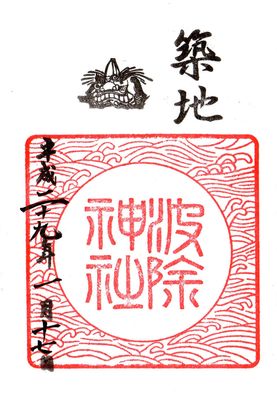
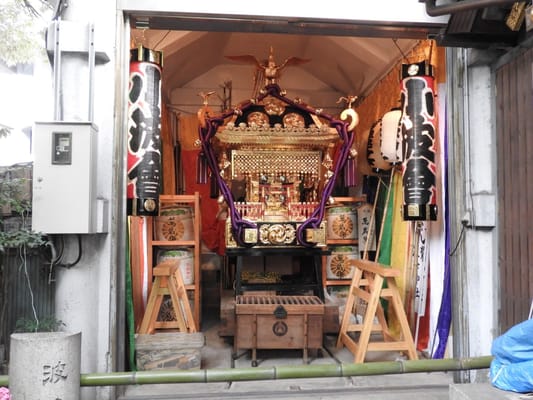
Namiyoke shrine is on Tsukiji area as a famous tourist spot in Tokyo. It takes about 10 minutes by walking from Tsukiji-Shijo station on Oedo line. I recommend that you would visit here when you visit Tsukiji for sightseeing or taking a lunch. There are many historical buildings in the precincts of the shrine. Especially, the model of a big face of the lion is so great. We can see to turning around it at the right side near by the gate as the entrance. If you want to do so then you should take your shoes off before going up the stairs to the corridor. They have not only the main buildings at the center but also some symbolic stones and auxiliary shrines. There are at the left side by the main building. We can get "Goshuin" (handwritten sign and stamp of shrines and temples) at here. If you want it, you should visit the shrine shop at the right side by the main building. The opening hour of the shop is 9:00 - 17:00. They have some versions of Goshuin. Ordinary, they have 2 versions as the normal one of their shrine and Benten's version. We can get limited versions when we visit to here while their festivals. Any of them charges 300 yen. Details about it are written in their HP but it is Japanese only. http://www.namiyoke.or.jp/gosyuin.html Details about Goshuin is below. http://60ee3107.starfree.jp/goshuin.html This shrine is one of places for the Tokyo Good Luck shrines pilgrimage. If you want to know about this pilgrimage, you would click the link below. http://60ee3107.starfree.jp/goshuin/tokyo_fukumeguri.html 波除神社は、東京の観光地、築地市場にあります。 大江戸線の築地市場駅から歩くと10分程度です。 観光やランチで築地市場を訪れた際に立ち寄ってみてはいかがでしょうか。 境内には歴史的建造物がたくさんあります。 特に獅子殿にある巨大な獅子頭は見ものです。 鳥居をくぐってすぐ右側にある獅子殿は、上がってぐるっと回れますので、背後から見てみるのも面白いかと思います。 また塚や末社が本殿の左側に鎮座しています。 御朱印は本殿右側の授与所で頂戴出来ます。 授与所での受付は9時~17時です。 こちらでは通常、2つの御朱印を頂けます。 1つは波除神社の通常の御朱印で、もう1つは弁財天のものです。 また、お祭りの時などに訪れると期間限定の御朱印を頂戴する事が出来ます。 すべて初穂料は300円です。 御朱印については、波除神社のホームページに詳しく書かれていますので、そちらをご参考になさって下さい。 http://www.namiyoke.or.jp/gosyuin.html また、こちらの神社は東京福めぐりの巡礼スポットになっています。 東京福めぐりは都営浅草線沿いの開運神社8社を巡ります。 詳しくは下記のリンクをご覧下さい。 http://60ee3107.starfree.jp/goshuin/tokyo_fukumeguri.html 御朱印については下記のリンク先にまとめてあります。 http://60ee3107.starfree.jp/goshuin.html
google avatar

Benny H.

Yelp
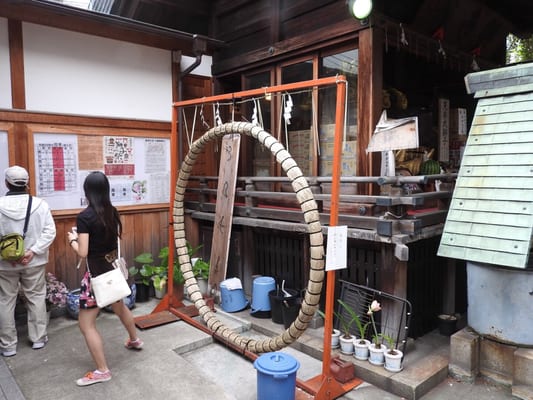
This is a pretty small shrine located quite close to the fish market. It's probably the smallest shrine we visited on our trip, but what it lack in size in makes up in statues. I don't know the history, but there are some really awesome dragon heads here and the design work is top notch. I also don't know much about the hoop people walk through, but it seems like a big deal. If you find yourself in the area, drop by as it won't take up much of your time, but you might actually get something out of it.
google avatar

Dennis A.

Yelp
If you are at Tsukiji Fish Market and near the area where the auction takes place, not far to the right of the area is another small temple that serves to protect the Tsukiji Fish Market known as Namiyoke Inari Shrine (which means "protection from waves"). The reason for the name is because at one time, waves would make it difficult for those in the market because the land was often washed away by the waves. So, Shinto priests floated an image of Inari Myojin on the water to protect the land and then erected a shrine to praise the gods for protecting the land. This shrine was built on the water's edge when part of Tokyo (known back then as Edo) was created from landfill after the Great Fire of Meireki in 1657 (a deadly fire that destroyed 60-70% of the Japanese capital city of Edo and over 100,000 lives were lost). When the Tsukiji Fish Market was established in the area after the 1923 Great Kanto earthquake, the Namiyoke Inari Shrine became the unofficial guardian for the marketplace and its traders. Every June, the small shrine is the host of the Tsukiji Shishi Matsuri, a lion festival in which two large crafted lion heads (actually crafted from wood carved back in 1848) are paraded through Tsukji. In fact, when you visit, you can see a lions head featured, such as the gold/brown male lion's head and a female gold/red lions head. Overall, Namiyoke Inari Shrine is worth the visit, considering its very close proximity to the main gate. But probably best to visit during the summer when the trees are green and lush. Otherwise, go in the fall or winter and it can look a bit dreary.
google avatar

Kim N.

Yelp
It's weird to have a place like this by yourself. But i guess tat's what happens on a national holiday. The crazy little fish shrine. Im guessing millions have passed through the grouping of altars over the years but with day break it was cool to see the small structures in solitude
google avatar

Kenson K.

Yelp
It's worth a visit here to this quaint shrine if you're visiting the stalls at Tsukiji. Go ahead drop a few coins in the offertory box and make a prayer to Inari for wealth and prosperity in life.