Natural History Museum
Natural history museum · South Kensington ·
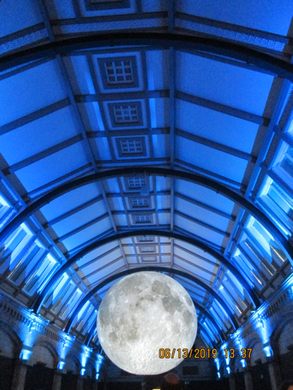
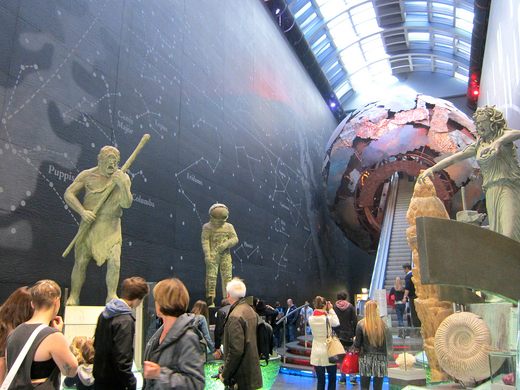
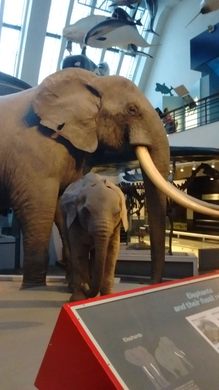
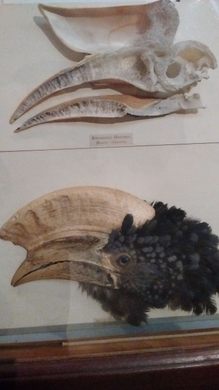
Dinosaur skeletons, whale skeleton, gems & minerals, architecture


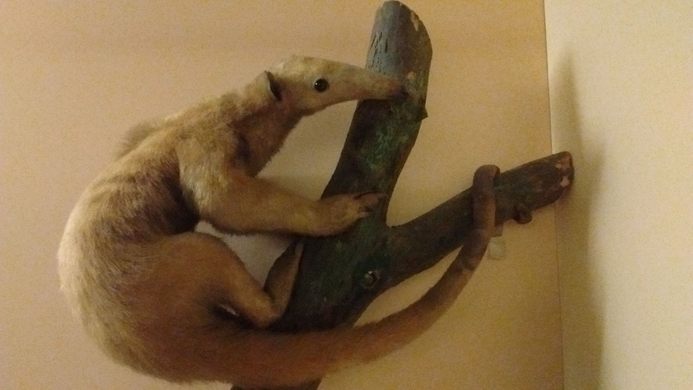
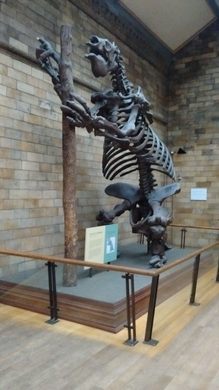
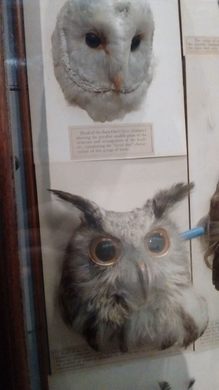
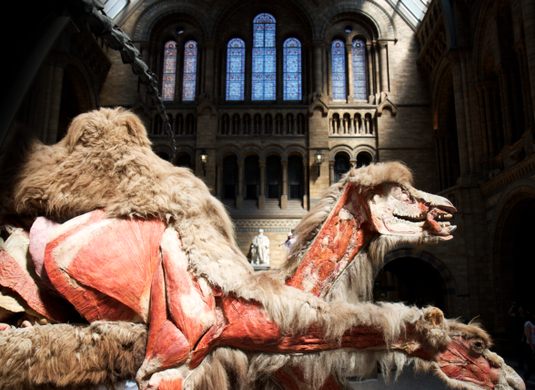
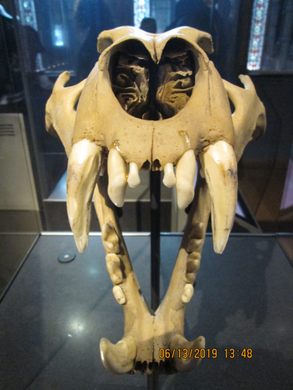
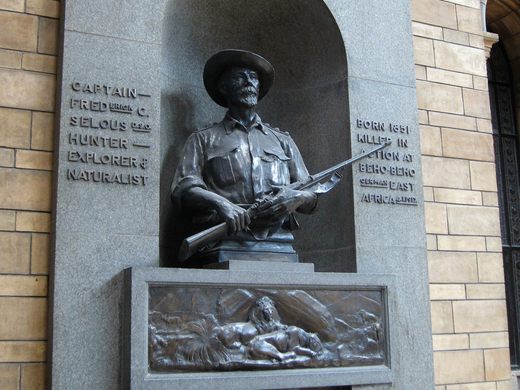
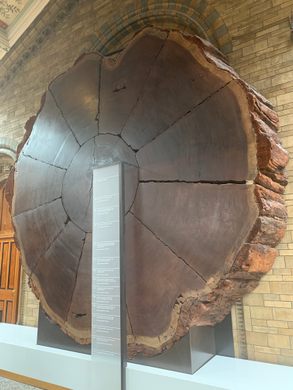





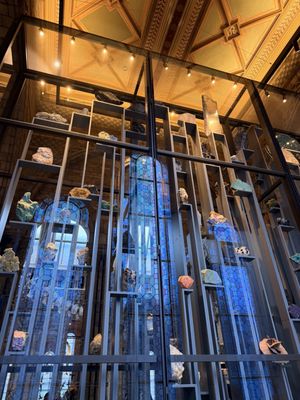




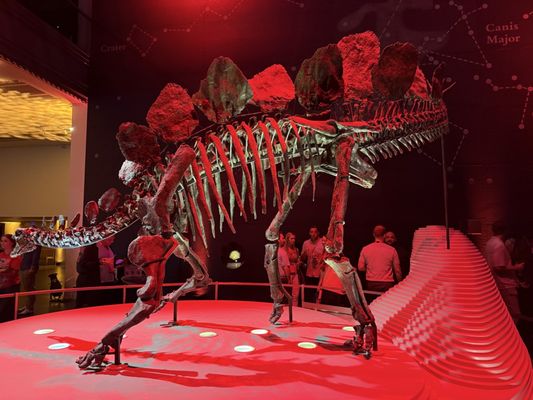





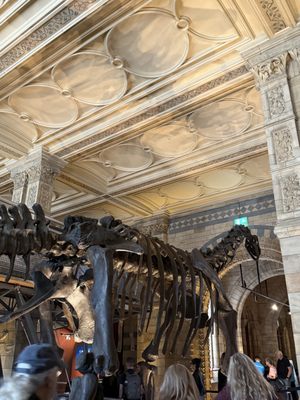
Dinosaur skeletons, whale skeleton, gems & minerals, architecture
"There’s something wonderfully homely about wandering these beautiful halls, home to some of nature’s most intriguing specimens and exhibitions dating back more than four billion years—an inspiring place to start any museum day in London." - Connor Sturges
"A kid-favorite museum recommended as a warm, family-friendly refuge during short winter days, offering extensive natural history collections that are free to enter." - Sophie Friedman Sophie Friedman Sophie Friedman is a journalist, editor, and fact-checker specializing in travel and anything related to it. She also writes for AFAR, Fodor's, and The Infatuation, and was previously editor-in-chief of Michelin Guide US. learn more
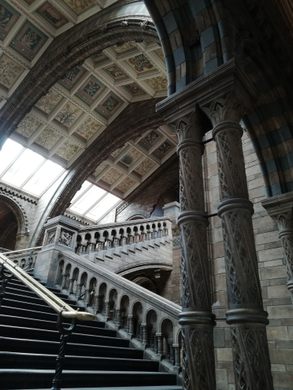
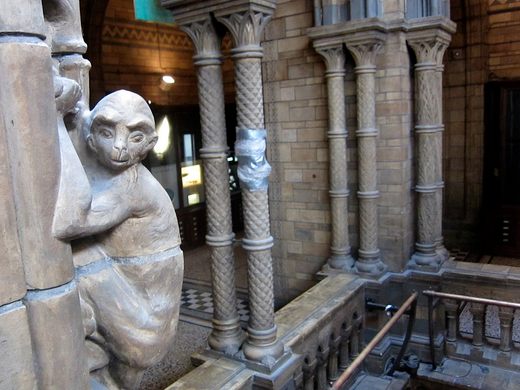
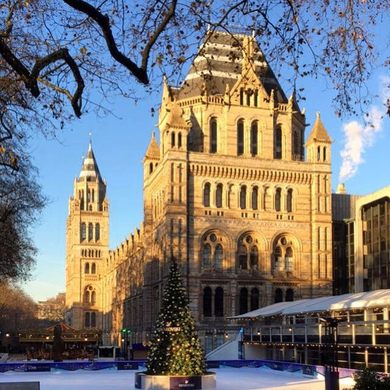
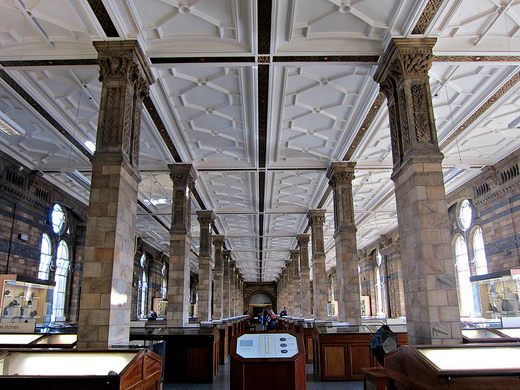
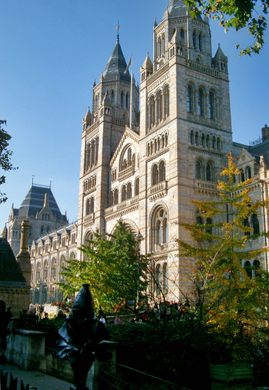
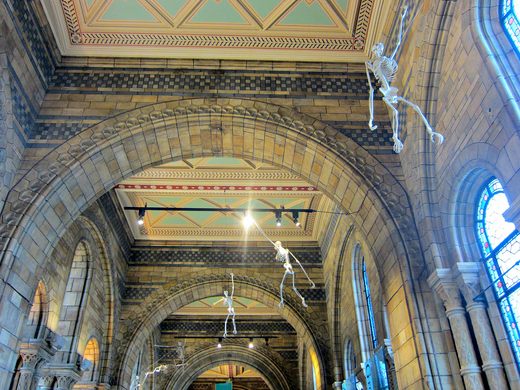
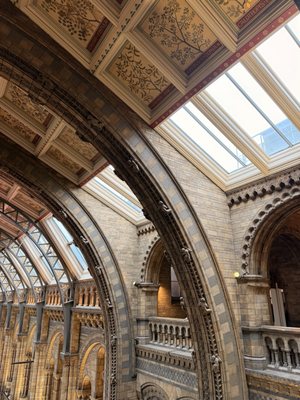
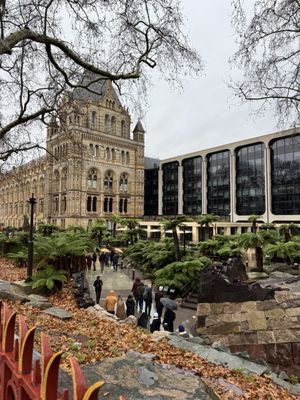
"The Natural History Museum offers a wealth of exhibits and is known for its stunning architecture. Every visit is always a treat." - The MICHELIN Guide UK Editorial Team
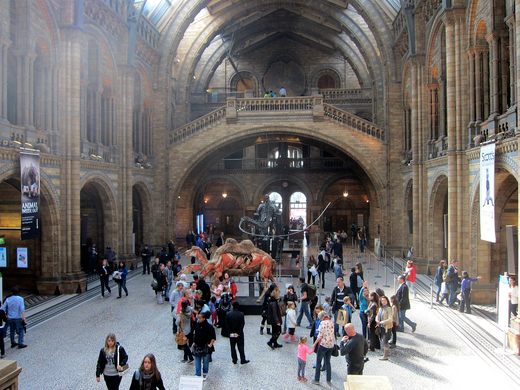
"Have you ever wondered how a T-Rex would wear a giant Christmas jumper? It’s a fascinating sight at the Natural History Museum as the team squeezes their resident animatronic dinosaur into a fetching red number."
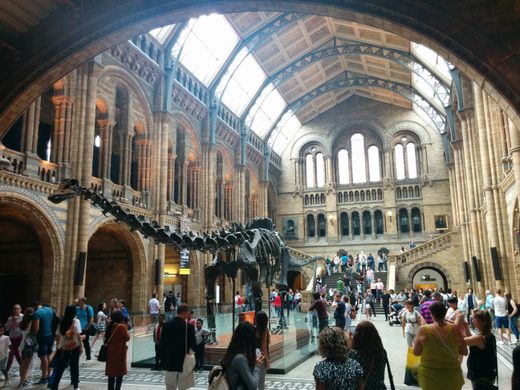
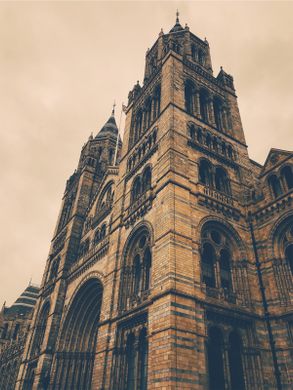
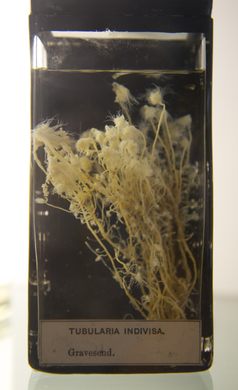
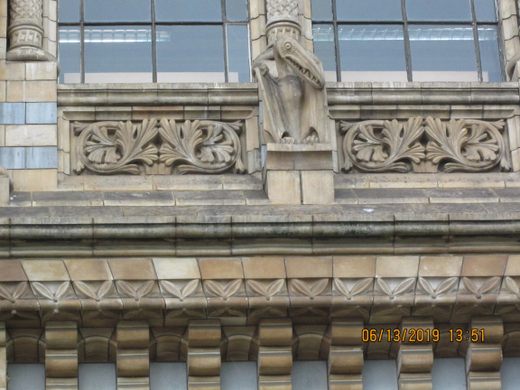
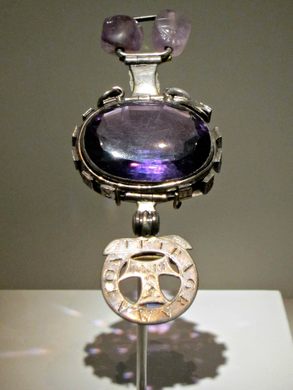
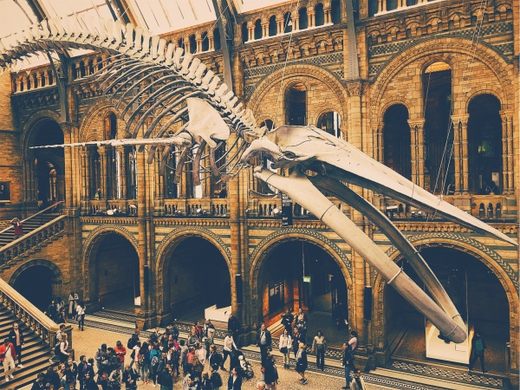
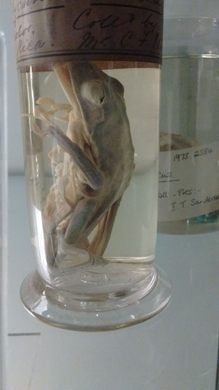
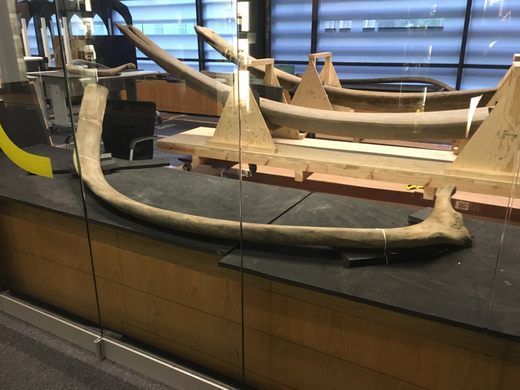
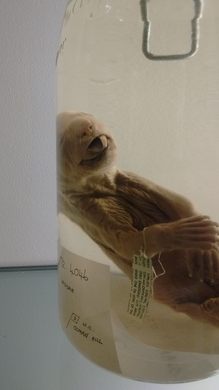
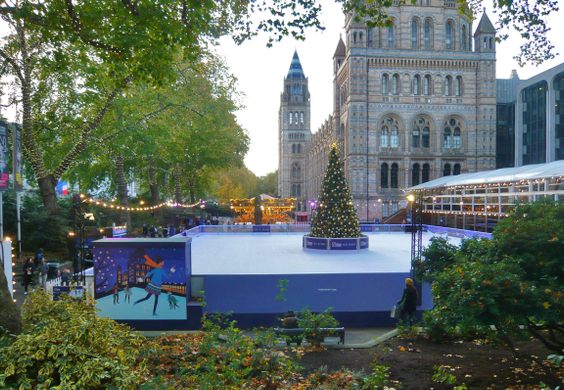
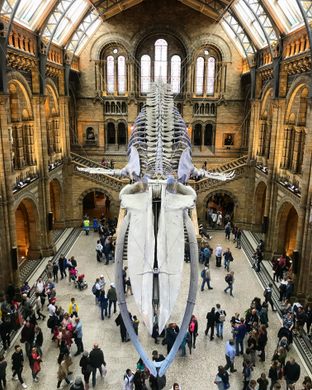
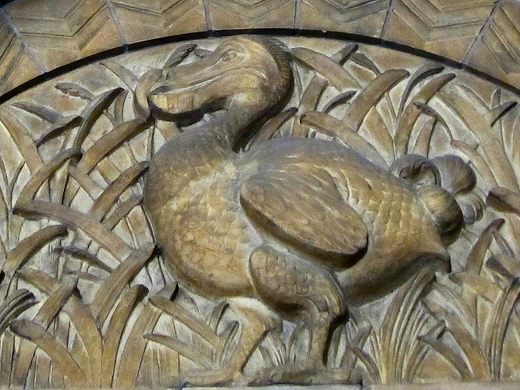
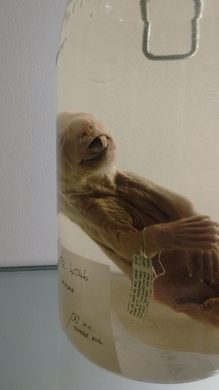
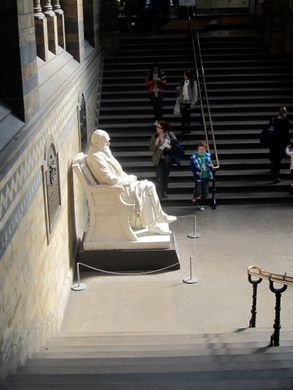
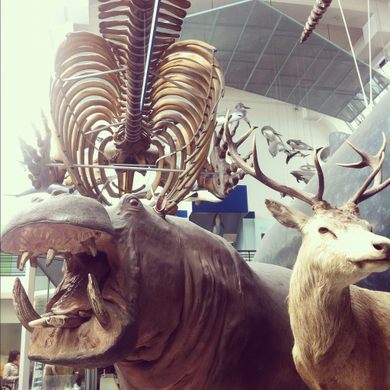
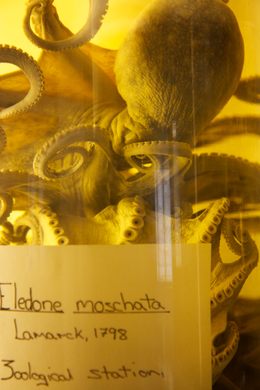
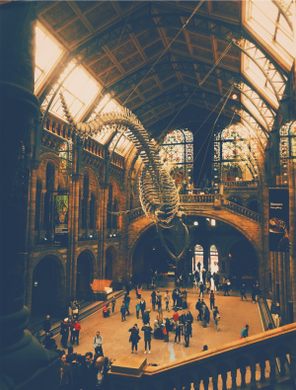
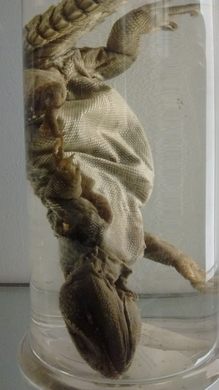
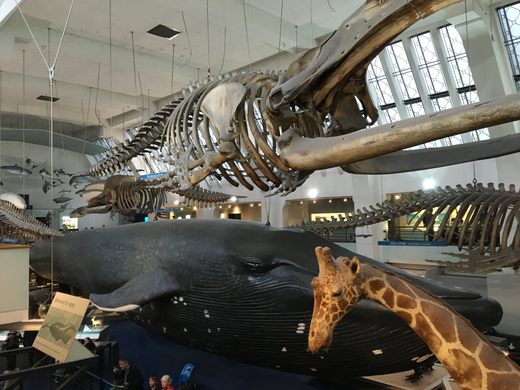
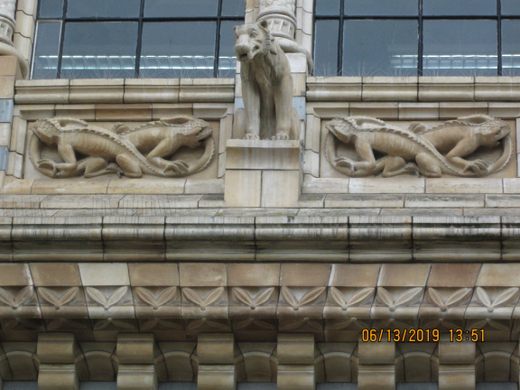
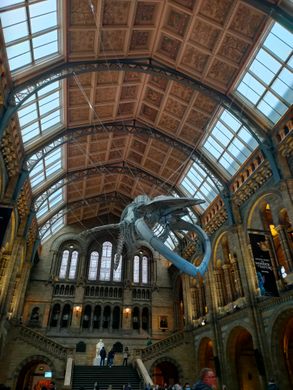
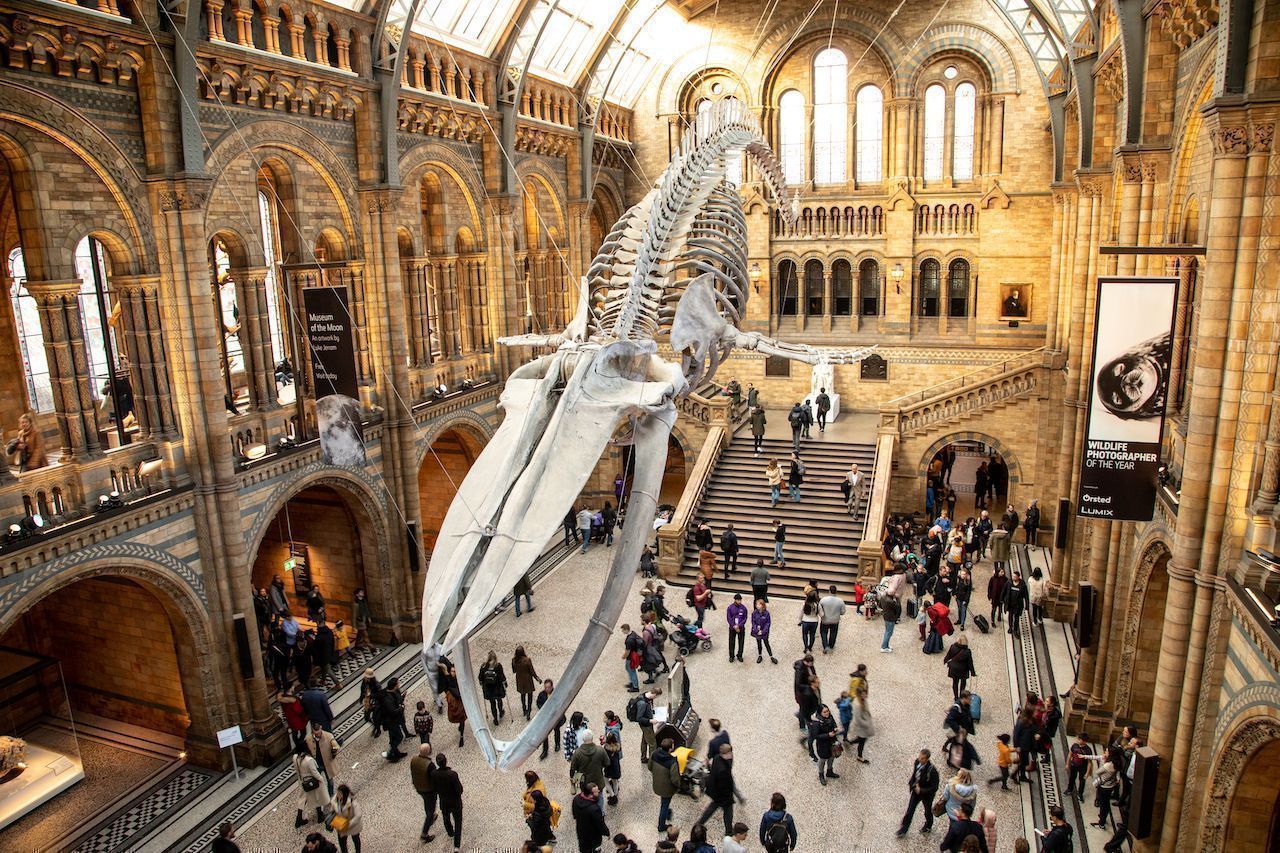
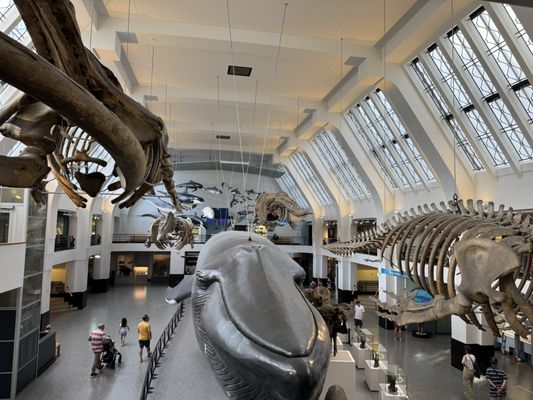
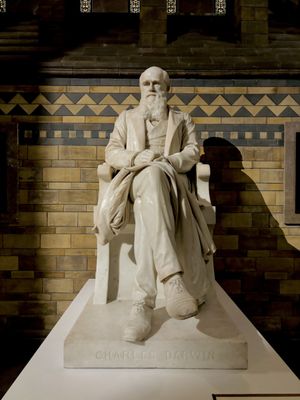
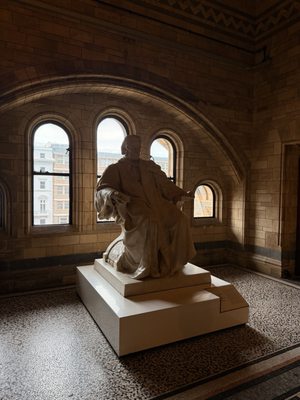
"Established in 1881, the Natural History Museum of London has an impressive 70 million specimens in its stately walls. Based on the collection of Sir Hans Sloane, the museum now includes such star wonders as Archie the Giant Squid who resides in the Darwin Centre Spirit Collection of jarred specimens (Archie can’t be in the main museum as its weight would cause it to crash through the floor), as well as a cursed amethyst and a piece of Kryptonite. Some of the specimens were even collected by Charles Darwin himself, a statue of whom sits in the main hall near a replica of a Diplodocus donated by Andrew Carnegie. The building was constructed with terracotta tiles in order to resist the soot in the air of Victorian London, with the west wing and the east wing are adorned with images of living and extinct species, respectively. However, you may note a coelacanth in the extinct animals wing, as it was of course only recently that ancient fish was revealed to still be living on our planet. In 2015 it was controversially announced that the popular diplodocus skeleton in the main hall (it can be seen in one of the photos) would be removed on the grounds that it was not a genuine skeleton. This resulted in a well supported “save Dippy” campaign, but the decision stands to give pride of place to the real skeleton of a blue whale. As such, in 2017, a blue whale skeleton was hung from the ceiling. The sea creature, which had been injured by whalers, was found beached in Ireland in 1891. The museum is also a fully functional laboratory, with more than 300 scientists working in a variety of fields related to biology & geology. Taking a behind the scenes tour or visiting the newly renovated Darwin Centre Cocoon you can see them at work. The building also contains a massive research archive, library, and operational labs." - ATLAS_OBSCURA


