Chris M.
Google
O Museum – O Street, Washington DC
I was a judicial fellow at the National Highway Traffic Safety Administration, and arrived at the DOT office complex in L’Enfant Plaza, Washington, D.C., for my first day of orientation. It was early on Tuesday morning, September 11, 2001, and while I had been in Washington many times in my work as an administrative law judge, this was my first time meeting my contacts at NHTSA.
The world now recognizes the losses sustained on that day, in New York and at the Pentagon (and on United Airlines Flight 93), but at 8:30 in the morning at NHTSA’s headquarters in D.C. our world was rapidly aging amidst the tragedy.
My contact at NHTSA had family members he needed to get to, and he left me to my own devices. As transport systems turned into gridlock, I left the building intending to walk to my hotel in Georgetown.
I had the day to explore. All the Smithsonian museums were locked down, as were most businesses. I had no agenda other than experiencing what D.C. was like during the turmoil of 9/11. I walked from L’Enfant Plaza to Dupont Circle, hoping to have lunch at my favorite restaurant, Johnny’s Half Shell. In the process, in a long wandering exploration of the District, I happened upon O Street, not far from the Dupont Circle Metro station.
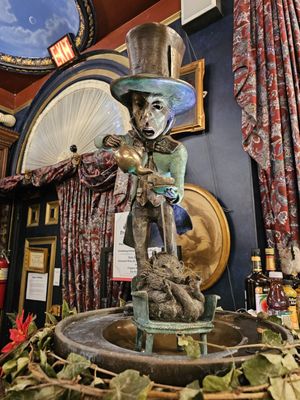
During the walk I passed a string of brownstone residences on O Street between 20th and 21st Streets. While my memory has faded over time, I recall walking past curious bronze sculptures of the White Rabbit, Alice, the Mad Hatter, and the Cheshire Cat, ensconced in abundant greenery that seemed to fill the streetside frontages of four or five of the brownstones.
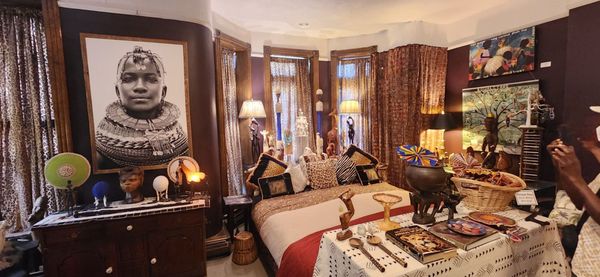
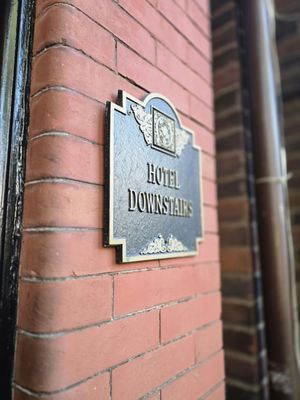
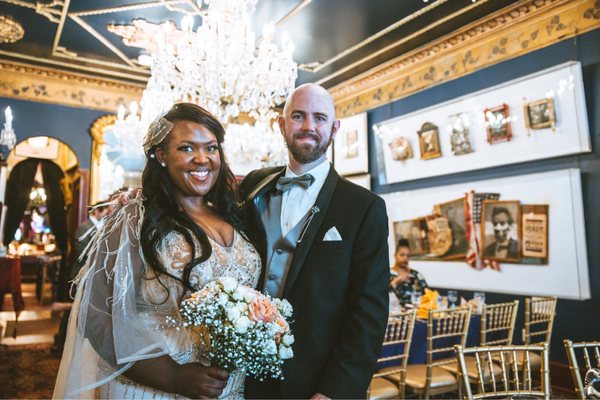
Last week I found out that what I walked past that day 25 years ago was the O Museum in the Mansion, named after the mansion’s street location. It’s a venue that evokes a rich historical heritage that runs the spectrum from the lives of the rich and famous to the lives of courageous civil rights activists who created cultural change in our nation’s capital.
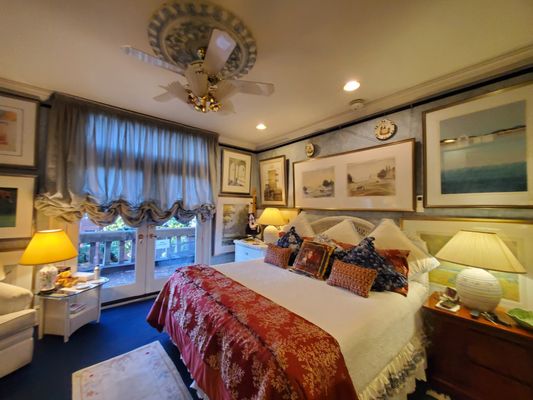
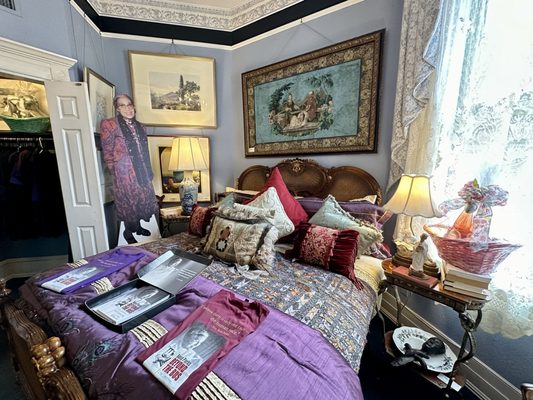
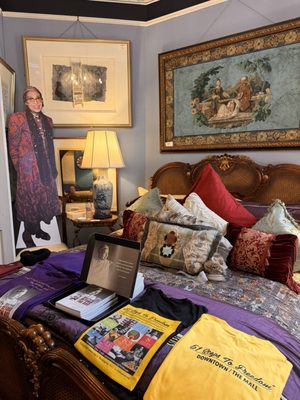
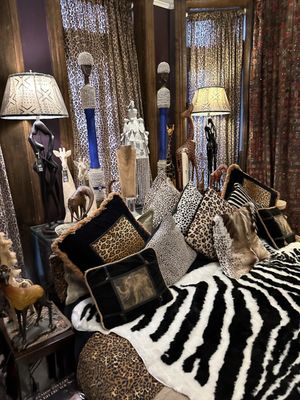
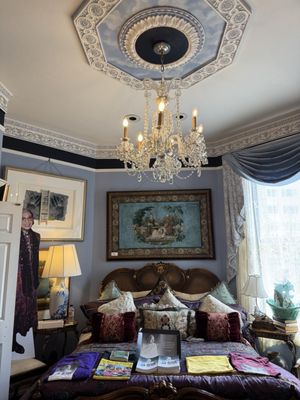
I learned the museum was opened in 1980 by its founder, H.H. Leonards Spero, and is housed in a mansion that now includes a boutique hotel with themed rooms. Their "Night at the Museum" tour offers an immersive overnight experience with extended access to the museum and its collection.
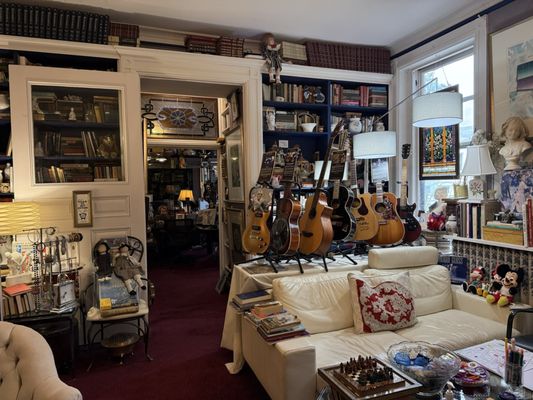
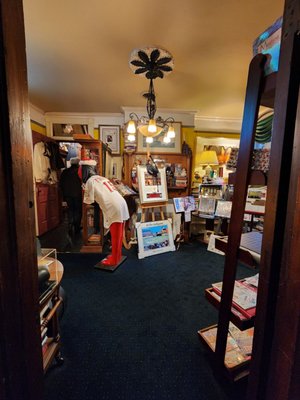
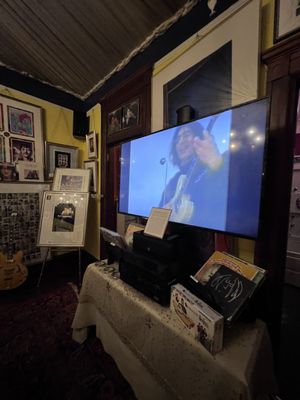
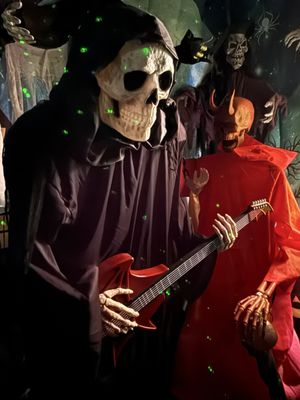
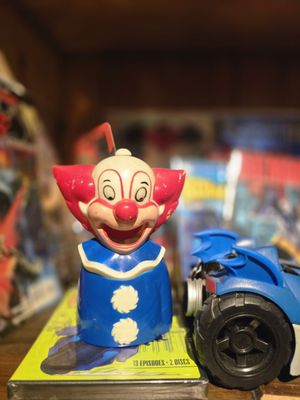
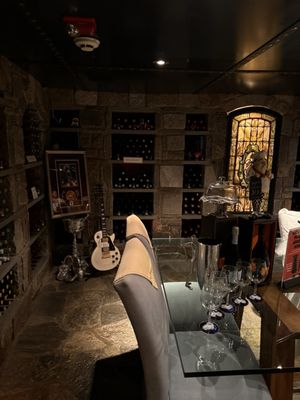
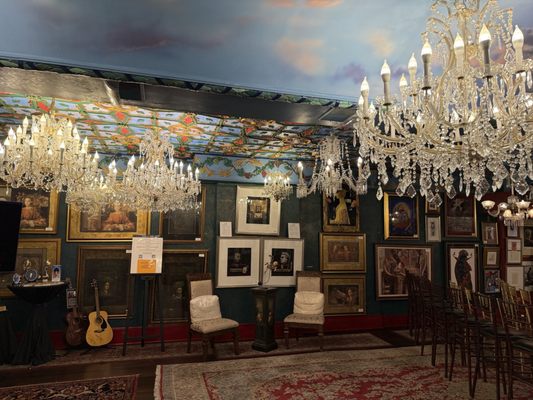
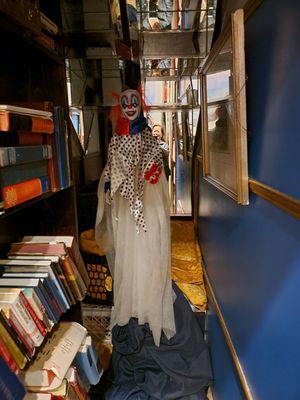
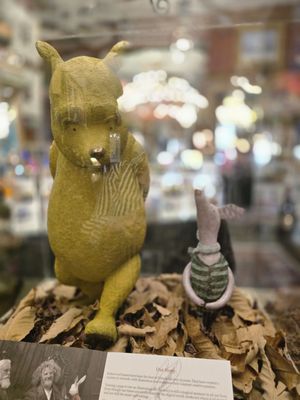
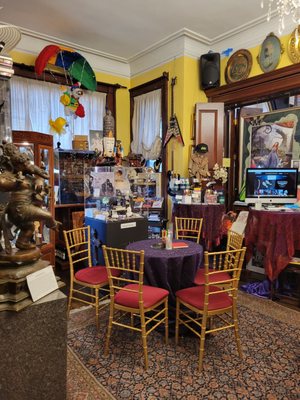
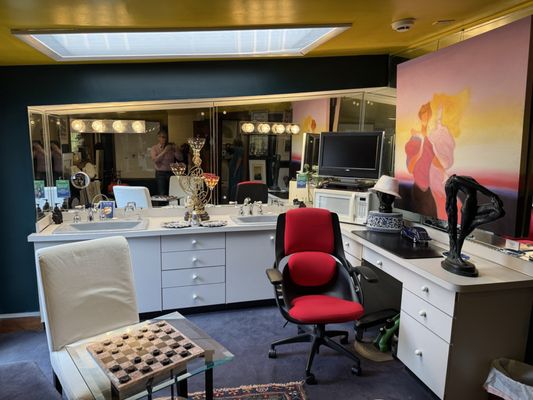
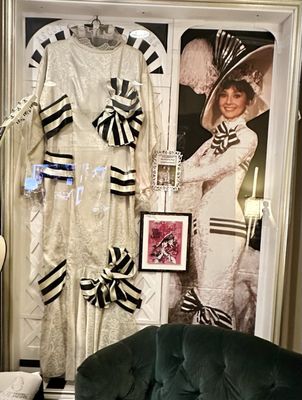
Also known as The Secret Door Museum, there are over one hundred themed rooms, over eighty secret doors, and thousands of artifacts spanning art, music, sports, history, and American pop culture. I stopped by the display case that housed signed guitars from Bruce Springsteen and Bob Dylan and saw museum rooms packed with memorabilia from folk and jazz eras, and the early days of the Beatles.
Nostalgia and history reign and the displays include important artifacts relating to the civil rights era in the United States, with prominent attention given to the inspired work of Rosa Parks and other civil rights mentors.
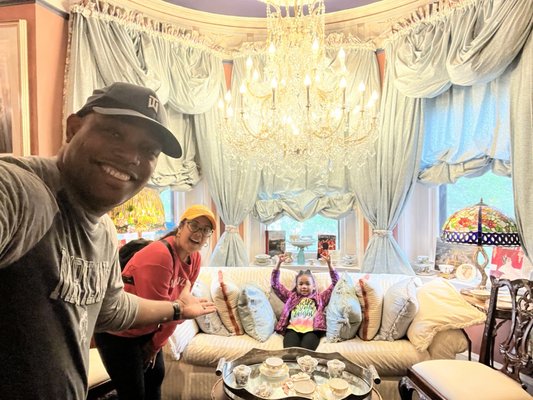
The Museum features a bar, modern restrooms, an elevator, and secret doors throughout. Reservations are recommended, but I walked in without any wait (on a weekday in February 2026). Remarkably, most of the contents – probably counting in the thousands – are for sale. (So, we’re on notice by the Museum’s docents: if you break it, you buy it.) I found the Museum’s staff to be friendly, well-informed, and exceptionally enthusiastic about their work.
I learned there are limited-time themed events, such as the Secret Door Experience ($33), a Champagne Tour ($62.50), a Secret Portal Hunt & Tour ($45.95), a Secret Gardens of Asia celebrating cherry blossoms ($50), a Mother's Day Secret Door & Champagne Tour ($54.50), a Night at the Museum overnight package ($550.77) and a host of events celebrating the life and work of Rosa Parks and other civil rights leaders.
This may well be one of the most curiosity-inspiring venues anywhere in the world. And good luck finding the secret doors!