Jenny K.
Yelp
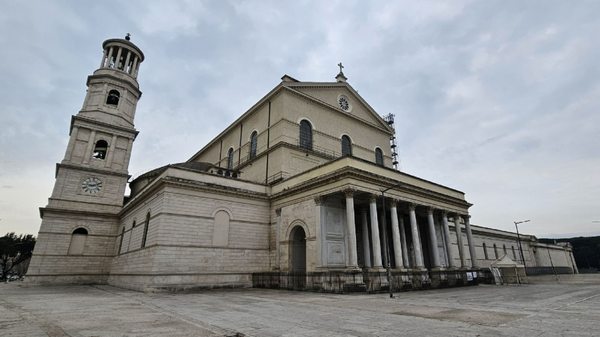
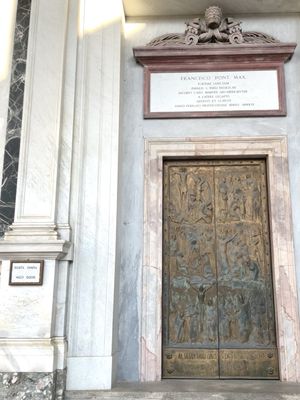
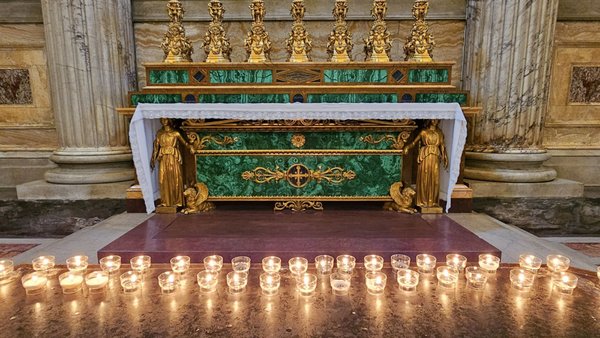
The Basilica San Paolo was the third site my friend and I visited along our pilgrimage of the four major Roman Catholic Basilicas following stops at Saint Mary and Saint John the Lateran. We had to hop on the Metro to visit St. Paul Outside the Walls. After visiting the Lateran and Saint Mary, we weren't expecting opulent exteriors, so Saint Paul seemed to fit the bill when we unknowingly entered through the back entrance.
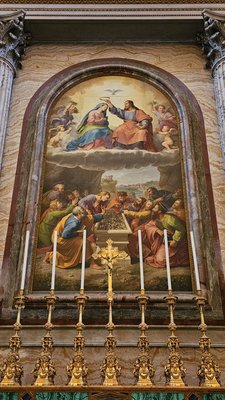
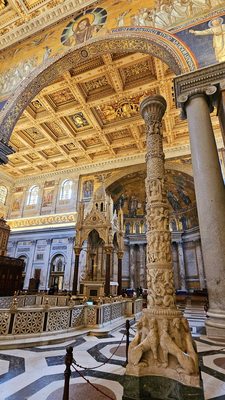
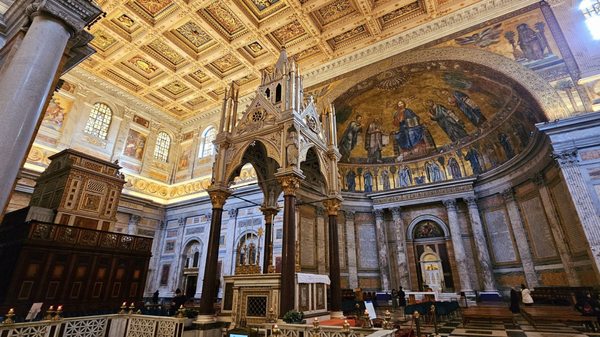
Constantine I founded the basilica in the 4th century over the burial place of St. Paul. Made by Venetian artists, the apse mosaic displays Jesus with the Apostles Peter, Paul, Andrew, and Luke, and dates from 1220. The triumphal arch and the interior portion of the apse are all that remain from the original basilica. Above the columns are portraits of every Pope since Peter.
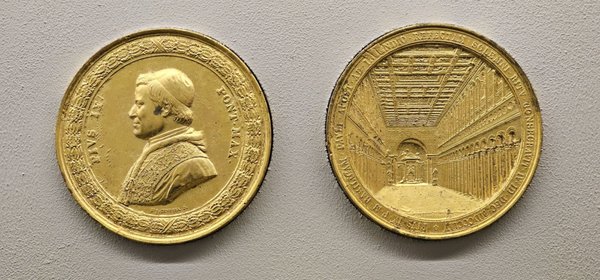
The basilica suffered some damage during the Saracen raid in the 9th century, but maintained most of its primitive character until 1823 when a fire started through the negligence of a careless worker nearly destroyed it. The reconstructed basilica has maintained the original structure of one nave and four aisles and is the second largest in Rome.
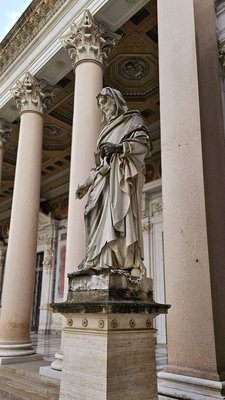
Although St. Paul Outside the Walls is a short ride on the Metro, it was surprisingly sparse, which offered a perfect opportunity for photos untainted with other tourists. Just when we thought we'd seen everything this magnificent basilica had to offer, we realized we had not entered through the main entrance, which turned out to be far more intricate than the Lateran and Mary basilicas. St. Paul is in the same city, but looks entirely different than Lateran and Mary with its colorful exterior mosaics, courtyard style enclosing, and palm trees.
Like the other basilicas, entry was free and there was security at the entrance. If you've got a Metro card, it's worth the trip. We visited in December 2015.