Sofia O.
Google
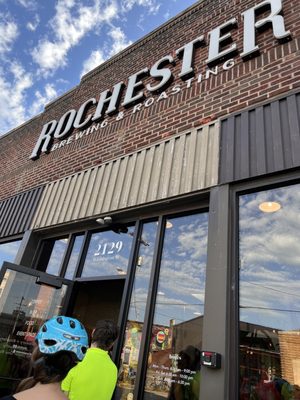
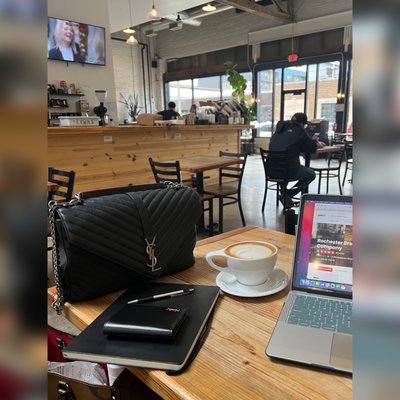
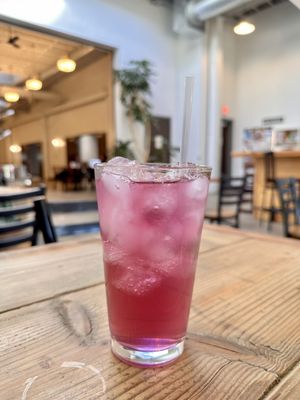
I’ve somewhat enjoyed Rochester for a couple months of eating and drinking there. The coffee is good quality, the food is filling and served hot, and they have more food options than most coffee shops. I also appreciate that they have vegan options. They aren’t usually out of stock of items except on weekends, and even then it doesn’t always happen, so I maintain patience and come back because I like their food. Their baristas…
some are not very nice or enthusiastic, and sometimes it feels like they are annoyed with you for simply existing. But there are a couple of them who are kind and positive to interact with, and go above and beyond to make you feel welcome. So I let those other negative experiences go, especially since the product quality is always good. I hadn’t had any sort of significantly negative experiences until I went this past weekend for breakfast. I ordered, paid, (and tipped) a barista I hadn’t seen before, and she failed to inform me that the burrito I had ordered was out of stock until AFTER I had already paid, tipped, and sat down to get comfortable. It is standard practice to know your inventory as a server, AND communicating this with your customer, especially when you are out of food, BEFORE processing payment and leading your customer to believe that they are getting the food they are paying for. I’ve worked several restaurant jobs, and I’ve never charged a customer for food before letting them know that we were out of stock. Another barista did offer a refund, on her behalf, which I appreciated, but it was a pretty careless move that can be easily avoided with care, knowledge, and awareness of your job. I can understand being out of stock, which is not ideal, but to not inform your customer, communicate, or check, before paying, is not acceptable. I believe the barista was a manager, and I highly recommend that any manager be better than this, it’s an unacceptable mistake for anyone operating a business to make. Again, it’s one thing to be out of food, but it’s unacceptable to allow a customer to pay and tip you for food you don’t have, which could easily be avoided, simply with awareness and communication.