Romero's K9 Club & Tap House
Bar · Lafayette ·
Dozens of craft brews, snacks, and an off-leash dog play area


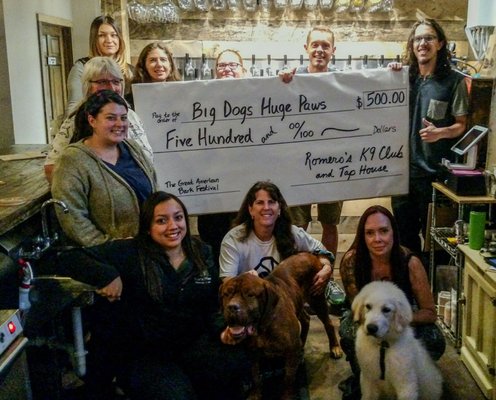


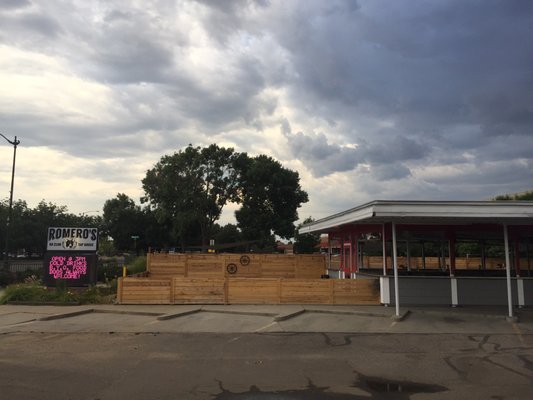


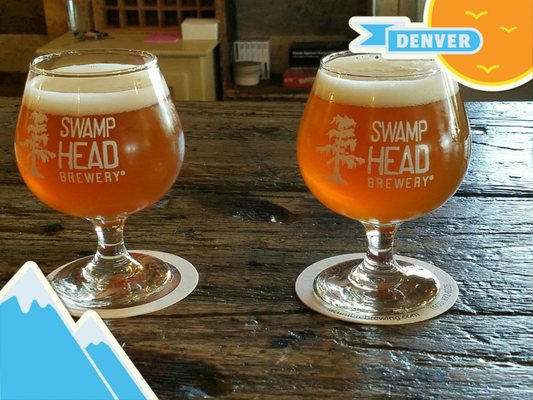


Dozens of craft brews, snacks, and an off-leash dog play area
"Some would say Sunday’s headlining event is actually the Puppy Bowl. Those fans can attend the animal event of the year and meet the pups of Moms and Mutts: Colorado Rescue for Pregnant and Nursing Dogs from 12 to 3 p.m. Afterward, the 52nd Super Bowl starts at 4 p.m. with a potluck and community watch party. Details are on the event page." - Camila Navarrette
"Some would say Sunday’s headlining event is actually the Puppy Bowl. Those fans can attend the animal event of the year and meet the pups of Moms and Mutts: Colorado Rescue for Pregnant and Nursing Dogs from 12 to 3 p.m. Afterward, the 52nd Super Bowl starts at 4 p.m. with a potluck and community watch party. Details are on the event page." - Camila Navarrette
Colton B.
Andrew F.
Lisa C.
Katelyn N.
Luke G.
Josh
Tim R.
Evgeny N.

Angie C.
Sam H.

Cindy C.

Elly S.

Ashley A.

Ashley W.

Trang L.

J T.

Brandon S.

Hannah H.

Allie J.

D W.

Jace B.

Danielle J.

Jon W.

Fern S.

Evan V.

Christopher D.

Lisa C.

Truitt P.

Eugene B.

Dawn J.

Lauren M.

Deee P.

Tova S.

Chris W.

SeeingElvis K.

Matthew M.

Matthew P.

Margot B.
K S.

Chris B.

S. R.

Tai H.
Tyler M.

Carrie B.

Cody P.

S B.
Samantha D.

Honst G.
Joann W.

Jordan C.

Andrea N.

Jeremy S.

Kealy H.
Laura D.

Chris E.
Connor T.

Molly M.

Brad E.
