Andrea U.
Yelp
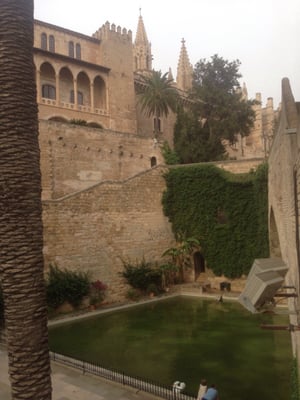
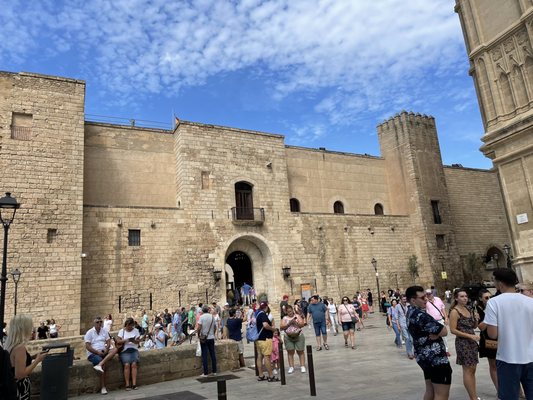
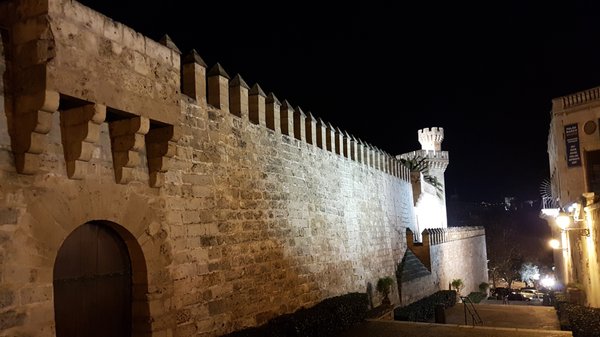
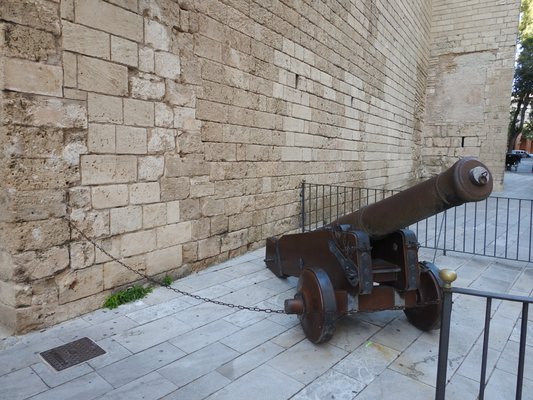
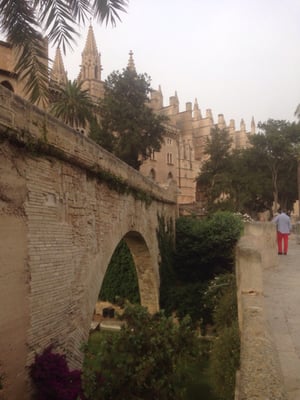
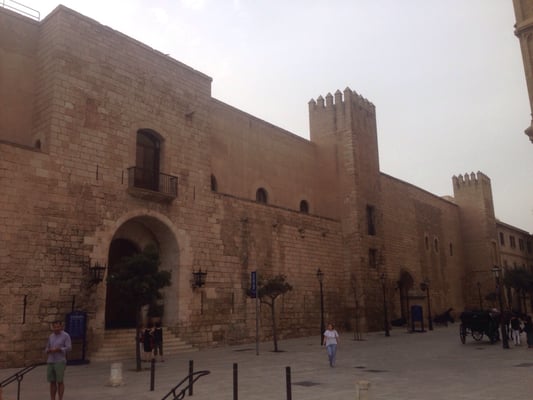
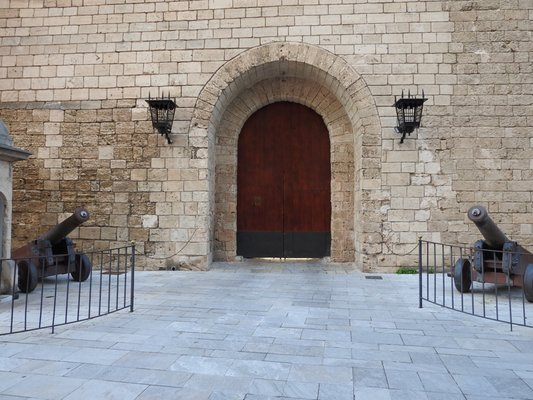
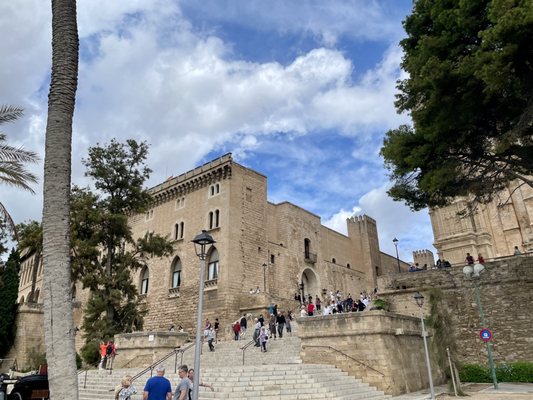
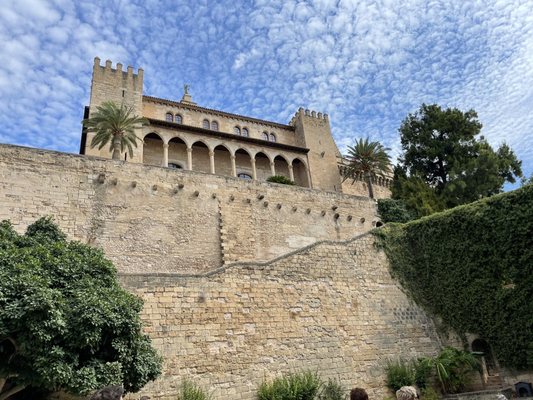
Originally an Islamic fort, this mighty construction opposite the cathedral was converted into a residence for the Mallorcan monarchs at the end of the 13th century. The King of Spain resides here still, at least symbolically. The royal family is rarely in residence, except for ceremonies. The Romans built a fort here, possibly on the site of a prehistoric settlement. The Governors of Muslim Mallorca altered & expanded the Roman original to build their own fort. Jaume I and his successors modified it to such an extent that little of the alcázar remains. After his death, no king lived here permanently.
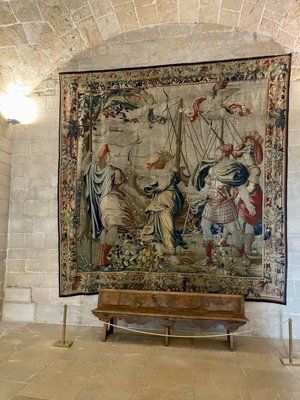
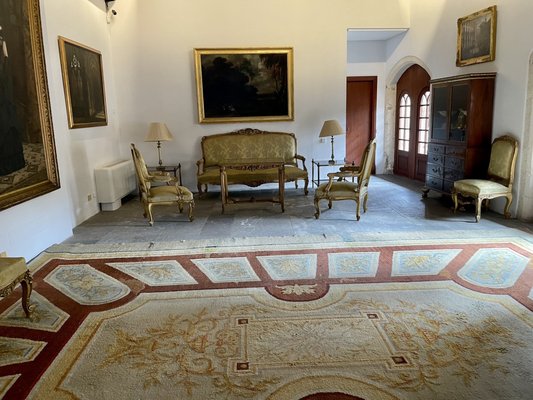
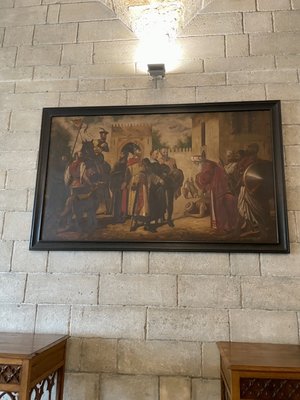
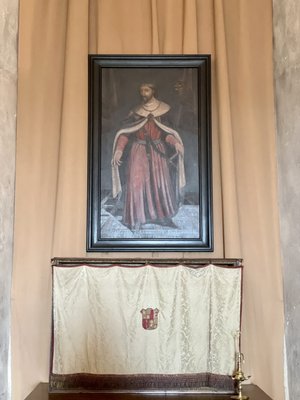
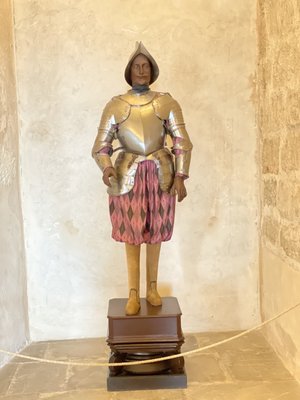
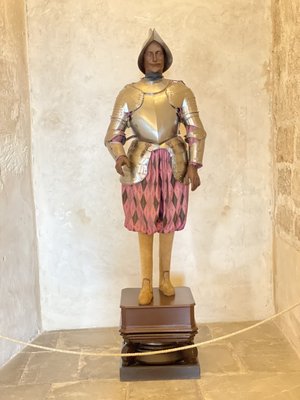
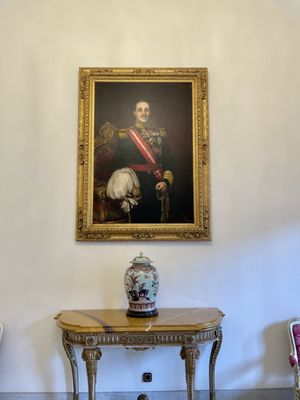
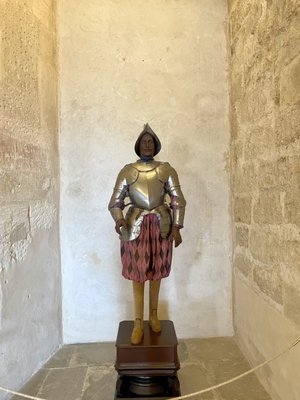
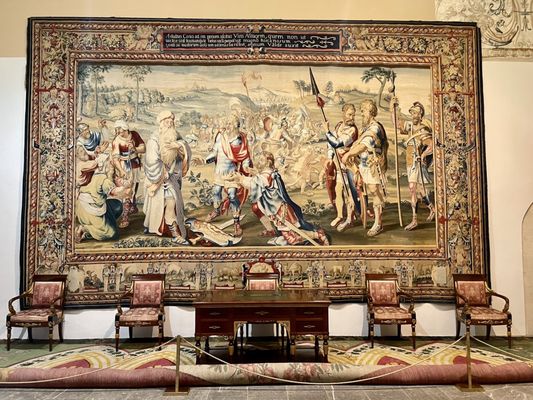
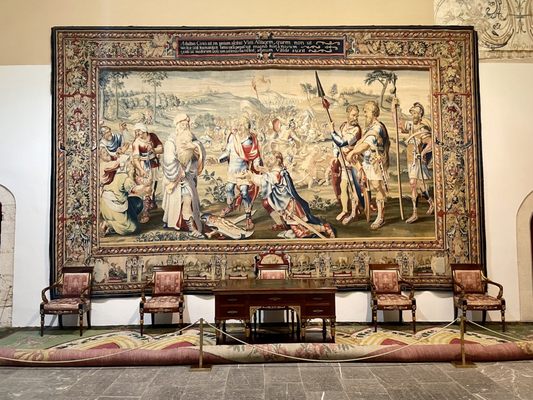
The first narrow room you enter has a black-and-white Mudéjar ceiling, symbolising the extremes of night and day, darkness and light You then enter a series of three grand rooms. Notice the bricked-in Gothic arches cut off in the middle. Originally these three rooms were double their present height and formed one single great hall added to the original Arab fort and known as the Saló del Tinell (from an Italian word, tinello, meaning 'place where one eats'): this was once a giant banqueting and ceremonial hall. The rooms are graced by period furniture, tapestries and other curios. The following six bare rooms and terrace belonged to the original Arab citadel.
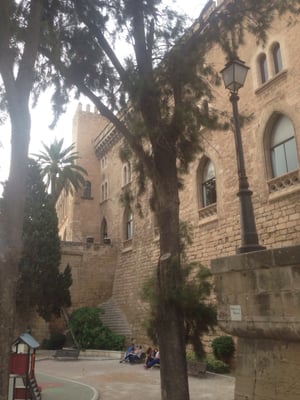
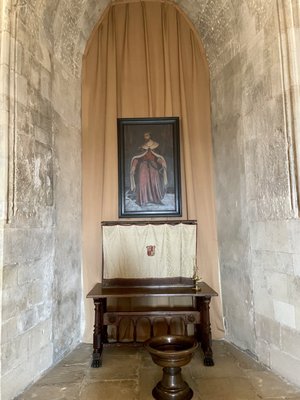
In the main courtyard, Patio de Armas, troops would line up for an inspection & parade before heading out into the city. The 11th century lion fountain here is one of the palace's rare Arab remnants. Up the grand Royal Staircase are the royal apartments. Next door is the royal Capella de Sant'Anna, a Gothic chapel whose entrance is a very rare Mallorcan example of late Romanesque in rose & white marble.