Songshan Ciyou Temple
Place of worship · Ciyou ·
Ornate 18th-century temple dedicated to Mazu, next to Raohe Market

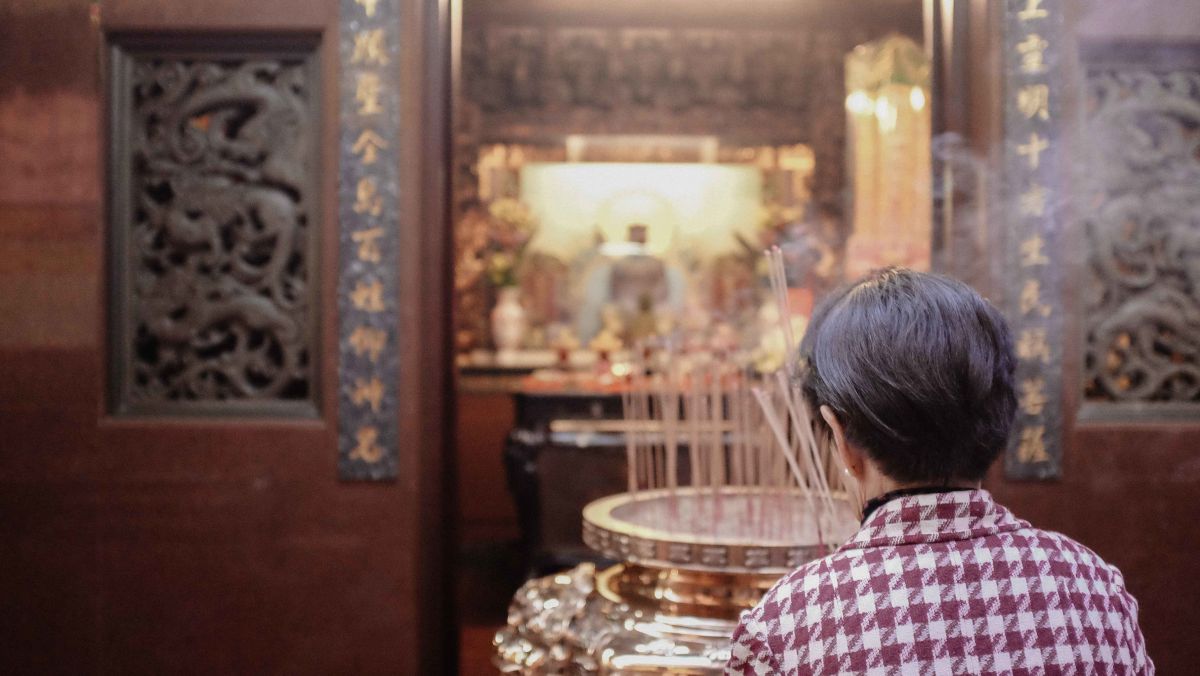


Ornate 18th-century temple dedicated to Mazu, next to Raohe Market
"Anyone who arrive at the entrance of Raohe Night Market will hardly take a glance at the exquisite facade of Ciyou Temple and stop to take a picture. The temple was constructed in 1753 and dedicated to the Mazu, a local sea goodness. The main shrine room is often full of people praying and performing religious rituals." - Lin Yuhuan
"慈祐宮 Ciyou Temple, Songshan District by Lin Yuhuan . Anyone who arrive at the entrance of Raohe Night Market willhardlytake a glance at the exquisite facade of Ciyou Temple and stop to take a picture. The temple was constructed in 1753 and dedicated to the Mazu, a local sea goodness. The main shrine room is often full of people praying and performing religious rituals."
"A striking traditional temple with deep historical roots that sits adjacent to a major night market; its presence reflects the common postwar pattern of markets sprouting up around temples and intersections and contributes to the area's cultural and historical ambiance." - Chris Horton
Monica E.
Ruby P
George F.
The Nomadic I.
M Z
RTanya
Life's A.
Chin Wee H.

