Takumi A.
Yelp
Sumiya - Direct Fire, Discipline, and a Taste of Old Tokyo Sumiya isn't a binchotan temple.
It's something rarer in the Bay Area: a shop that actually understands direct-fire grilling, salt seasoning, and timing.
The world doesn't need more "cute" yakitori places.
It needs places where cooks watch the fire, listen to the fat, and pull a skewer at the exact second before the flavor collapses.
Sumiya is one of those places.
THE GRILL - WHERE DIRECT FIRE BECOMES A LANGUAGE
People romanticize binchotan because it's forgiving.
It heats evenly, bathes meat in infrared, keeps moisture, and gives a fragrant edge.
Direct flame is much harder:
* heat spikes
* mistakes multiply
* bitterness appears instantly
* dryness comes fast
* surface color lies to you
Which is why what Sumiya does is so rare.
The meat tells the truth:
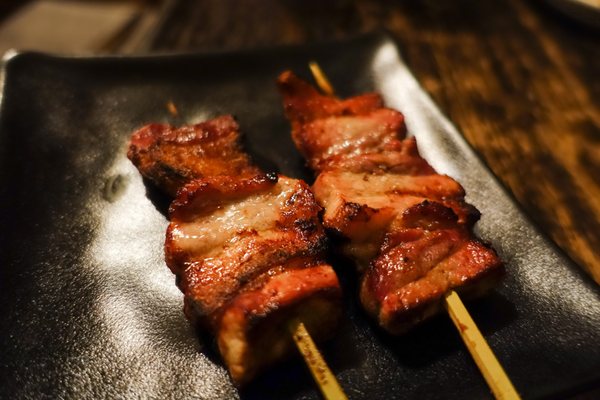
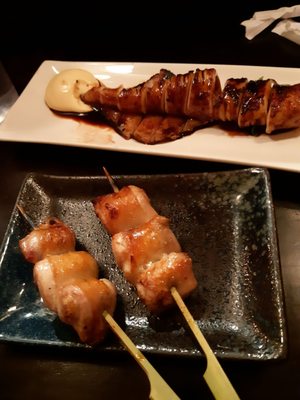
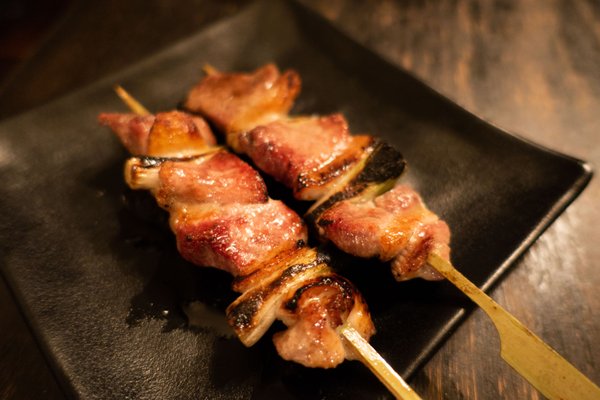
* Pork belly came off the grill exactly when the fat turned glassy - not burnt, not rubbery, just aromatic and clean.
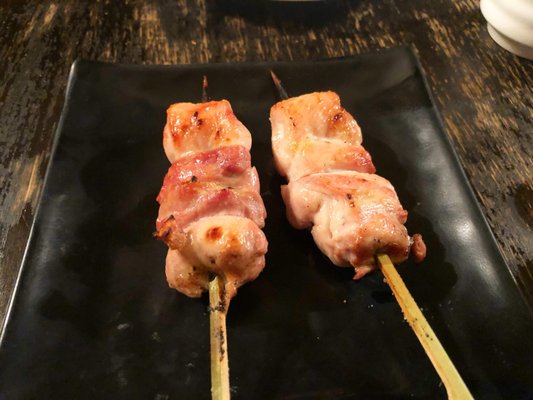
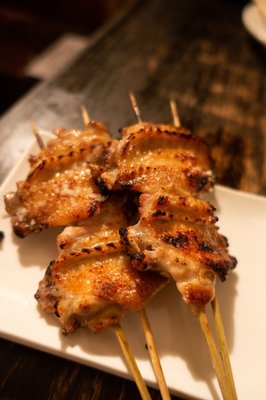
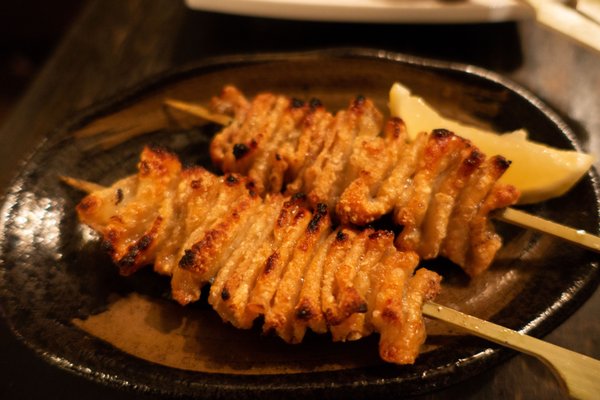
* Chicken (tori-kushi) avoided the one fatal flaw: bitterness. With chicken, overcook it by 10 seconds and a thin oxidized "bitter line" appears. Here, it never showed up. Surface amber, inside juicy.
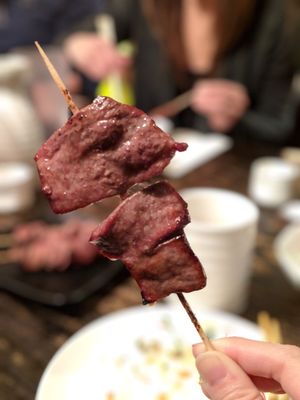
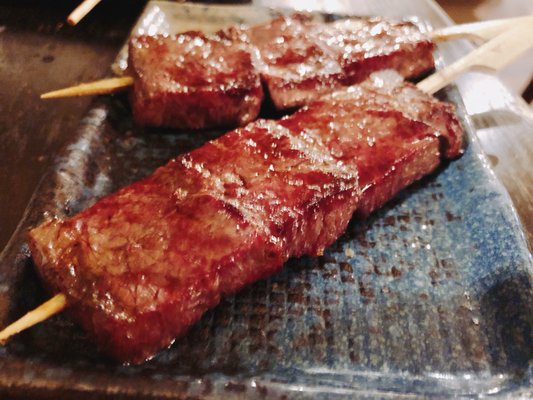
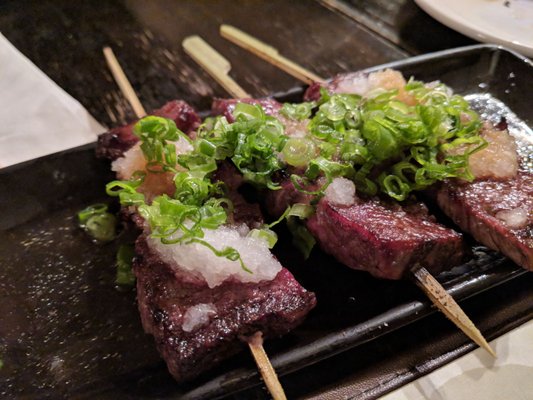
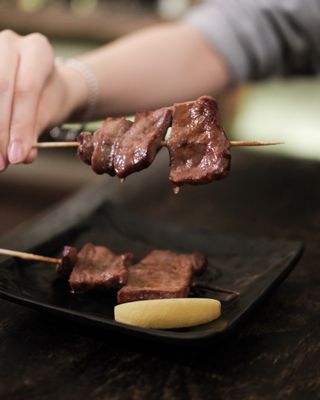
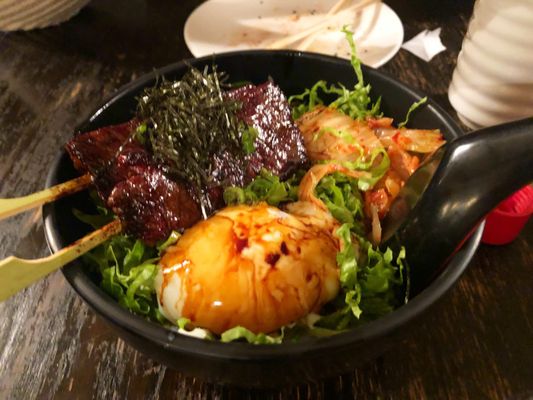
* Beef tongue was the real test.
GYUTAN - THE JAPANESE BENCHMARK
In Japan, regardless of method - direct fire or binchotan - beef tongue is the exam.
Gyutan is expensive. You overcook it you lose money. You serve it badly the customer disappears. Every yakitori shop in Sendai, Osaka, and Tokyo knows this.
Sumiya's tongue passes the test:
* edge char for aroma
* center snap intact
* heat stop precise
* no dryness, no powdery protein breakdown
This is not luck.
This is direct-fire mastery.
THE SALT WORK - PART OF THE ARCHITECTURE
Sumiya is a salt shop, not a sauce shop.
Salt-forward grilling only works when the cook controls fire at the micro level.
That small ring of char you see on the skewers?
It's intentional - the third note after:
1. meat flavor
2. salt bloom
3. char aroma
Any more than that and it becomes bitterness.
Any less and it becomes flat.
Here, it's calibrated.
THE RICE - A SURPRISING DISPLAY OF DISCIPLINE
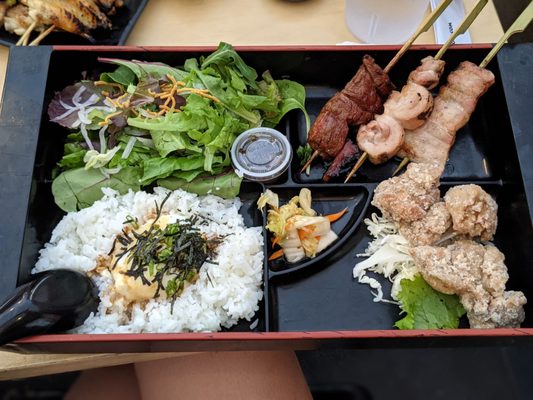
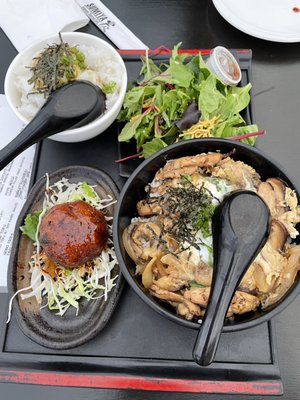
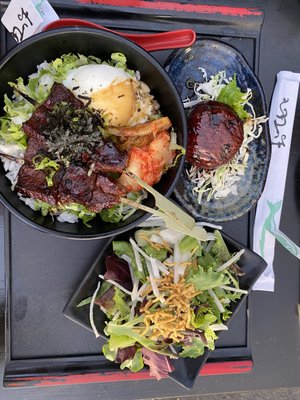
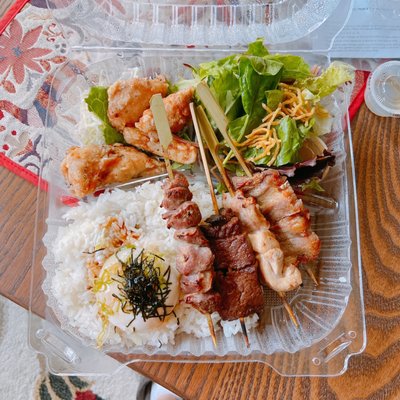
Most yakitori places treat rice like background noise. Sumiya doesn't.
* grains stay separate
* surface gloss intact
* portioning is intentional
* rice + fat + tare + topping ratio is considered, not random
When a yakitori shop respects rice, it tells you the chef isn't just grilling meat. He's building bowls.
SQUID LEGS - A FLAW THAT STILL WORKED
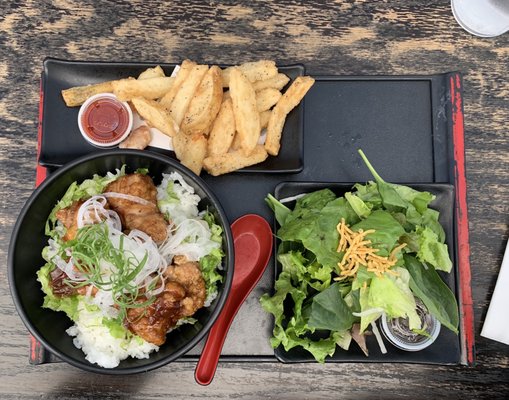
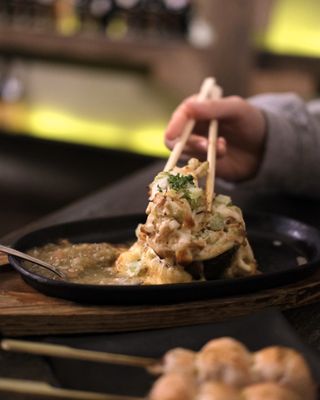
The only technical miss of the night was the fried squid legs. Thin batter, lightly coated - good. Uneven in spots, part of it broken off - less good.
But the ingredient quality was undeniable:
Thick-cut. Shockingly sweet.
Zero frozen odor.
Seafood has one unforgivable flaw: freezer smell.
Once that odor appears, the dish is dead on arrival.
Here, the squid was so fresh, the imperfect batter barely mattered.
A flawed exterior with a great ingredient inside.
Honest food beats polished food every time.
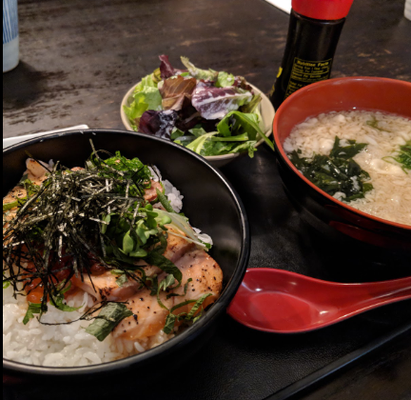
IKURA DON - MOTHER & CHILD DONE RIGHT
The ikura here was impressive:
* large pearls
* translucent
* clean pop
* minimal curing
* no salt-burn
* no oxidation
Paired with thick-cut salmon, it becomes the seafood version of a 親子丼 (oyako-don): mother (salmon) + child (ikura)
A level of ingredient harmony rare in yakitori shops.
And the rice beneath stayed perfectly separate - the sign of a kitchen that cares.
THE SAKE WALL - MORE SERIOUS THAN EXPECTED
Most yakitori places in the U.S. push sweet, entry-level sake. Sumiya didn't take the easy route.
From the bottle wall:
* Hakkaisan (including higher polishing ratios)
* Kubota
* Dassai
* Kokuryu
* real shochu, not novelty drinks
In Japan, strong binchotan aroma limits sake pairing.
But in the U.S., with Sumiya's clean direct-fire profile, their sake selection actually makes sense - a rare advantage over traditional shops.
THE ROOM - NOT CURATED, BUT REAL
The place is loud.
A little cramped.
A little chaotic.
A lot alive.
Smoke, salt, laughter, skewers moving down the line - It feels more like a Tokyo side-alley than a Silicon Valley concept restaurant.
No theatrics.
No neon.
Just cooks working.
Sumiya isn't perfect. The squid batter proved that.
But if you want:
* real direct-fire grilling
* proper salt technique
* gyutan cooked with respect
* chicken pulled at the exact second before bitterness forms
* rice that matters
* ikura that's actually fresh
* a sake list someone clearly drinks
* and an atmosphere that feels earned, not staged
Then Sumiya is absolutely worth coming for.
4 stars -- earned through fire, timing, and an honest understanding of the craft.
- Dr. C
Only writing for what truly earns the stars.