Museum of Chinese in America
History museum · SoHo ·
Chinese American history museum with artifacts, photos, and interactive displays.


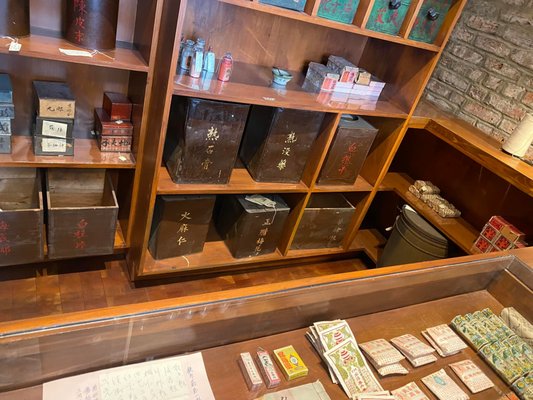


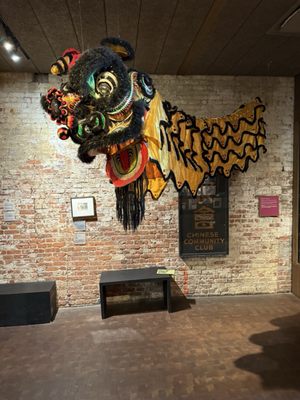
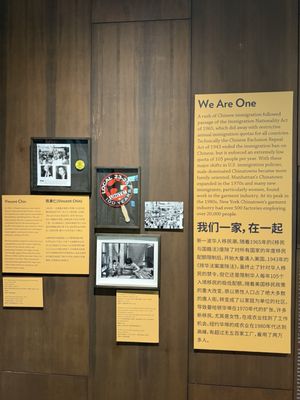
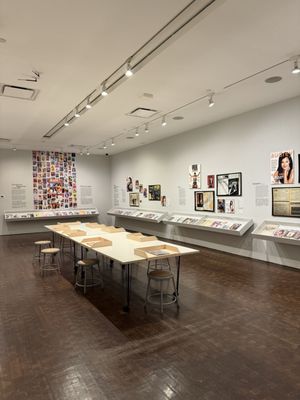


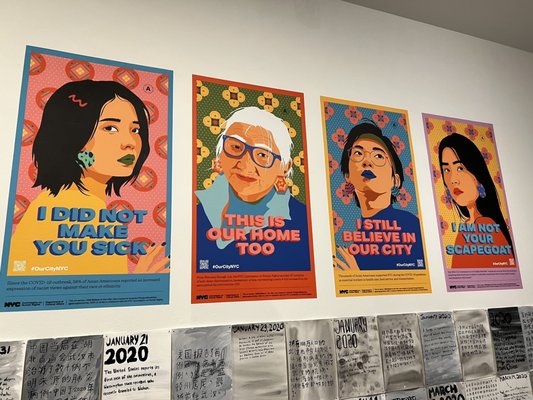


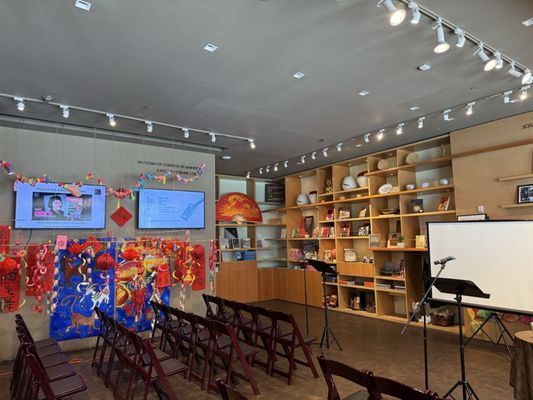


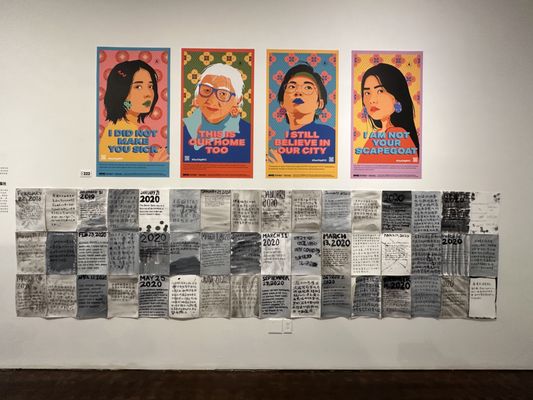


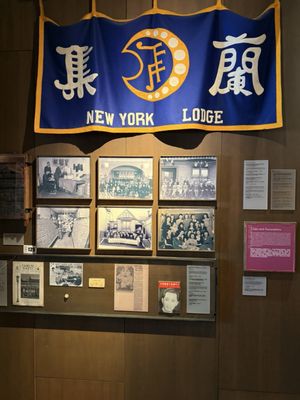


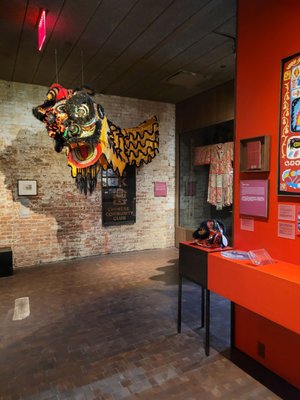


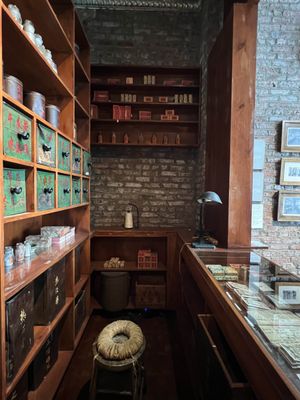
Chinese American history museum with artifacts, photos, and interactive displays.
"In a modern Maya Lin–designed space on Centre Street at the edge of Chinatown, this intimate museum documents the history of Chinese Americans from the 19th century to today across more than 65,000 works, from photographs to textiles and clothing. Saturday gallery talks offer an interesting (and free) overview of the Chinese experience in America, and there’s a fascinating Chinatown walking tour on Saturdays for $35." - Charlie Hobbs, Andrea Whittle

"A New York museum the author visited for the first time after returning from the trip, part of a renewed engagement with Asian American culture that included attending the city's Lunar New Year Parade." - Rachel Chang Rachel Chang Rachel Chang is a travel and pop culture journalist who contributes to Travel + Leisure, Condé Nast Traveler, Lonely Planet, and more. Travel + Leisure Editorial Guidelines
"Chinese-American architect Maya Lin designed this small museum that makes a powerful impact. Oral histories, artifacts, photographs, and interactive displays document the Chinese immigrant experience from the 1800s to the present. (You might compare and contrast their stories with those of Europeans and Jews at the nearby Tenement Museum .) MOCA also functions as a community hub for people of Chinese descent across the city. Families stop by for bilingual story time, art workshops, and holiday celebrations."

"An institution that presented the 2017 exhibit 'Sour, Sweet, Bitter, Spicy: Stories of Chinese Food and Identity in America,' co-curated by Kian Lam Kho; the museum’s work emphasizes how elements like the Chinese zodiac placemat function as familiar cultural symbols and accessible entry points for non-Chinese diners to engage with Chinese-American food and identity." - Jaya Saxena
"I end the tour at the Museum of Chinese in America at 215 Centre St, which fills in Chinatown’s development and the historical impact of U.S. policies like the Chinese Exclusion Act on the neighborhood’s growth." - Robert Sietsema


