Orsolya D.
Yelp
One of my professions is that of a Medieval English Historian having worked in contract with the Historic Royal Palaces foundation in England. Even though my expertise is in Medieval, Renaissance and Restoration Europe; I am passionate about much of history. Basically, I am saying I am a history buff both academically/professionally and leisurely. California is rich in history from the indigenous people of Mexico to Missionaries to the Gold Rush to motion pictures to everything in between. One piece of this history sits locally in the Los Angeles/Southern California area where proprietors from all parts of the country made the trek to the 'Wild Wild West' frontier. You can re-live this history in the Stagecoach Inn Museum in Newbury Park. Let's give a quick history lesson...
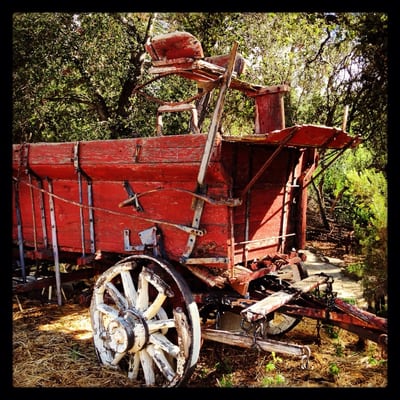
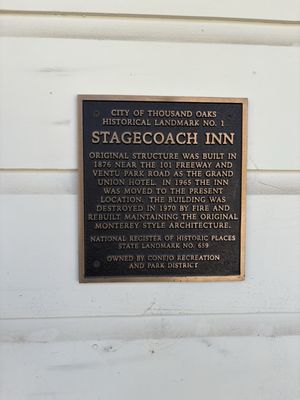
In the late 1800s, before Newbury Park was even called Newbury Park, the Grand Union Hotel was built as a stopping point for travelers from Santa Barbara and beyond to Los Angeles south. This area was purchased by the Newbury family (you get it now?) who named it after themselves and the wooded area. The Newbury family initially tried to strike it rich with using the land for crops but after years of crop failure due to little rain; they had to find another way to survive and opened the first post office in the area (which was initially a tent!). The Grand Union Hotel was moved to make way for the burgeoning 101 freeway and ended by burning down by fire (no one knows the exact cause of the fire).
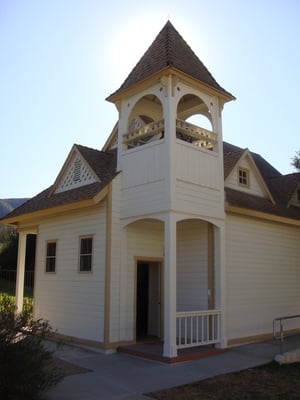
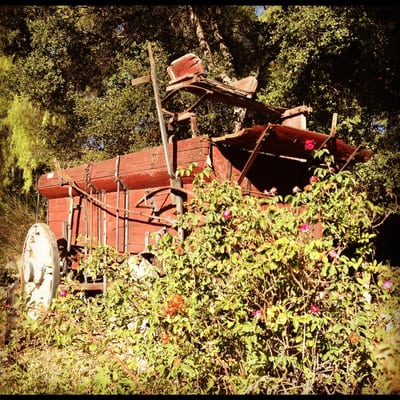
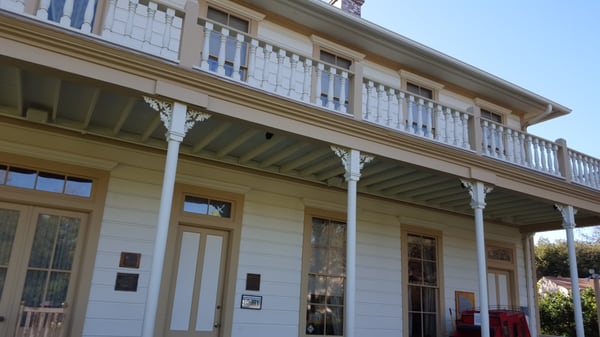
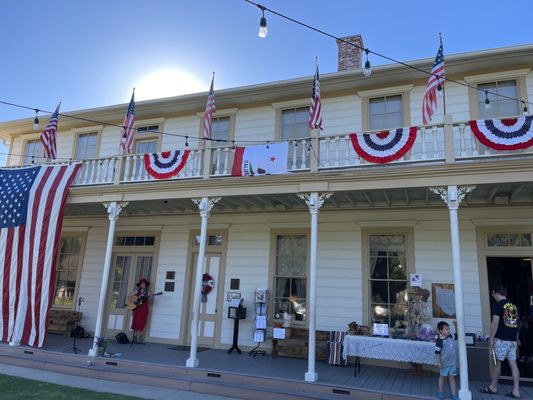
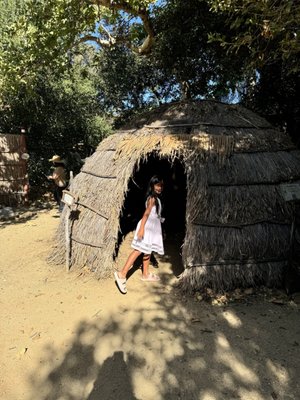
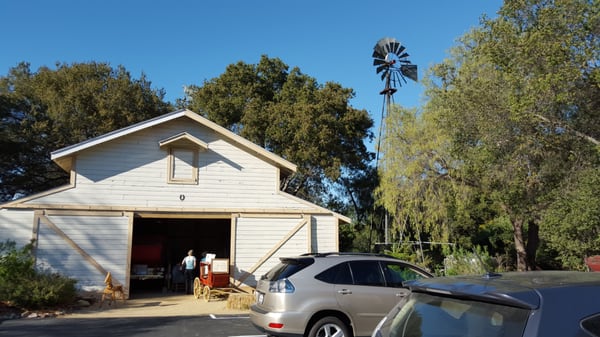
To celebrate this Conejo Valley history, Newbury Park constructed a replica of the Grand Union Hotel about a block or so away from where it originally stood currently at South Ventu Park Road (free parking lot or street parking available). The compound consists of the hotel replica, The Timber School which is an accurate imitation of a one room school house that served the area, a blacksmith shop, a Chumash "village" (basically a yurt), a Spanish Adobe home, and Newbury Pioneer House and thus showcases all eras of peoples/history that once stood in the area. Some "hiking" paths around the property are also available.
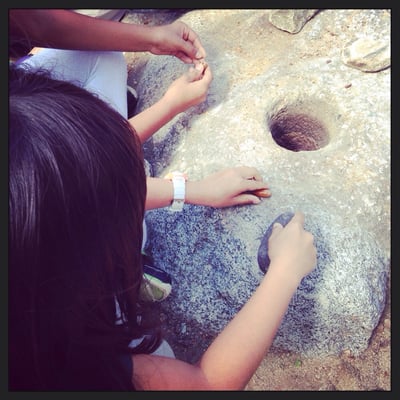
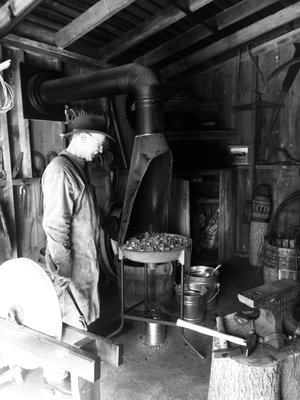
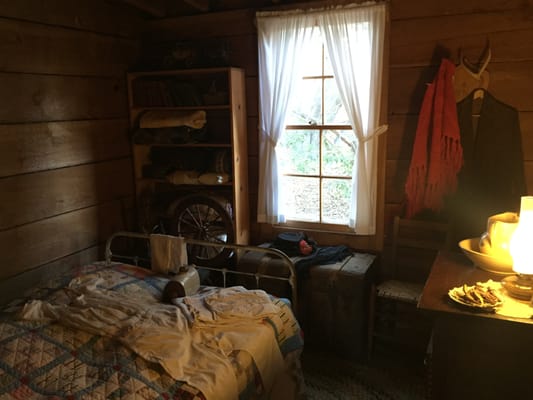
This sounds fantastic... in theory. Unfortunately, in execution it is quite cheesy and maybe better suited for very young children. The pioneer house is sort of 'cool' as you can walk through this 'Little House on the Prairie" - style cabin and transported back into what it would feel like to live in such accommodations as a docent explains the history. The Chumash Village is nothing more than a yurt and an awning that takes .2 seconds to traverse while the Spanish Adobe House seems inaccurate in construction materials but what do I know. The blacksmith shop wasn't attended during my visit so I didn't get to experience it fully; but it does contain actual proper tools. This part of the compound simply feels a bit "half-assed", so to speak.
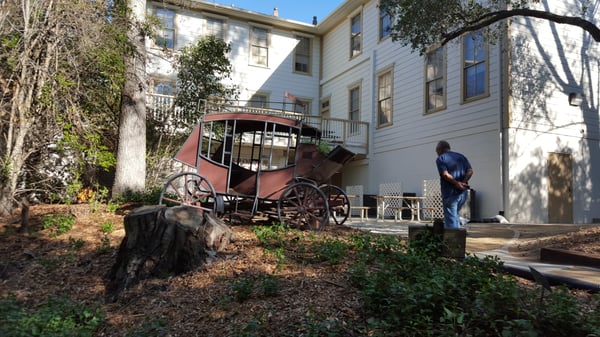
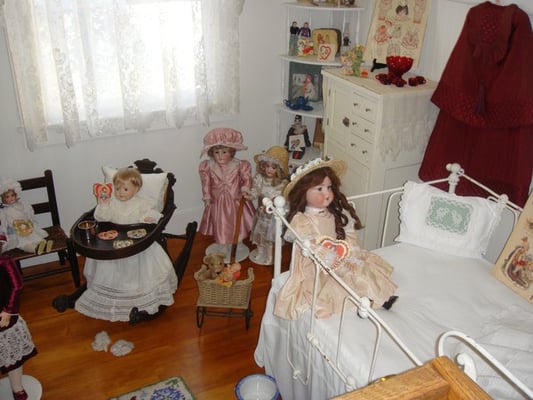
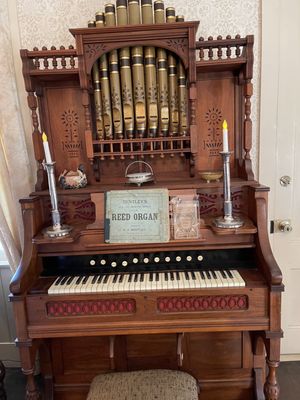
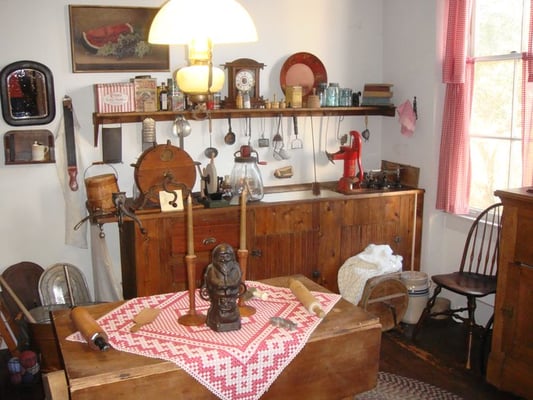
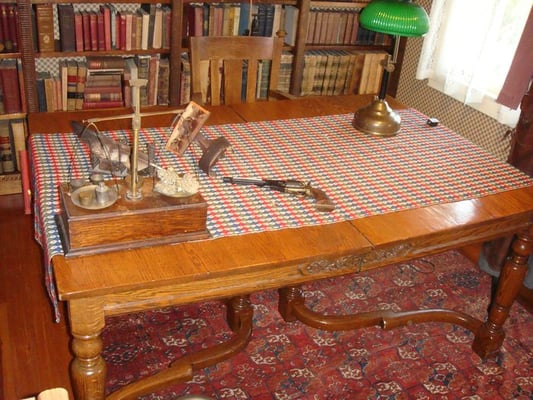
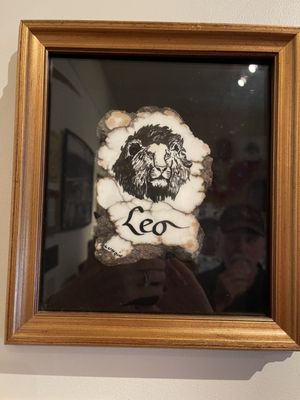
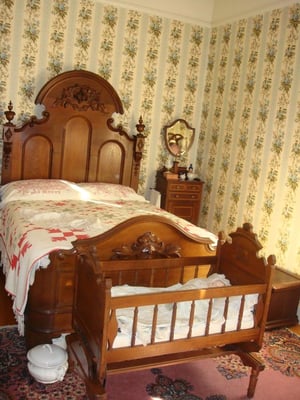
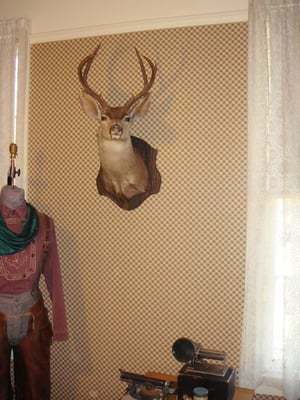
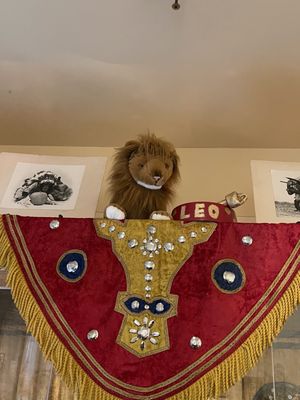
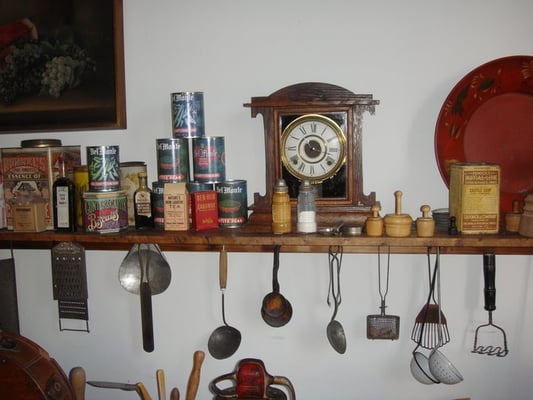
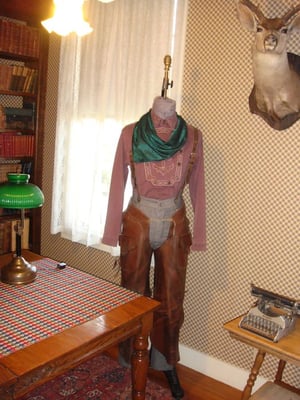
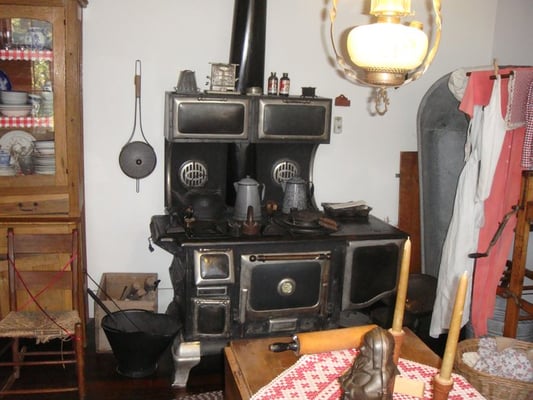
The Grand Union hotel replica - the actual Stagecoach Inn in this case - is two floors (plus small gift shop) that you can walk through the rooms some of which are set up to exemplify their actual functions like kitchen, dining room, bedrooms, etc; while others hold permanent or temporary exhibits like art made from real hair that was popular during the Victorian era (VERY weird), a room full of clothing irons from various timeline periods, a room filled with gramophones (I loved this because I have a tattoo of one), etc. The weird thing about the Stagecoach Inn is that it jumps back-and-forth between history versus staying true to the California late 1800s as far ahead as WWII as docents explained that the dishware in the dining room came from Germany during WWII (so, stolen from the Jews --- why is this here in a frontier replica?!). Some of this place simply does not make sense and being a historian - I take historical inaccuracy personally. Also awkward are the overuse of very creepy mannequins in each room including the 800 dolls in the children's bedroom that I was just waiting to attack me via a horror film. Both corny and cheesy; I could have done without. It doesn't take long to walk through the museum and it is just a little unappetizing.
My favorite part of the Stagecoach Inn Museum grounds was the Timber School. It is the least creepy and best in terms of historical merit with school desks, chalkboard, books, a wood burning stove, a working school bell tower, etc. It looks exactly like all the photos of one room school houses.
I have to give a shout-out to the docents at Stagecoach Inn Museum. These are all unpaid volunteers and yet I have never seen such enthusiastic, happy museum employees. They are almost aggressive in their zeal to share the history of the area/buildings and because of this: you will truly retain the information they pass.
The Stagecoach Inn Museum isn't terrible; don't misunderstand. It is just cheesy and a stretch calling it a 'museum'. I would say it is more of a history center and best suited for school field trips for the locals versus adults.