Ericka A.
Yelp
There's something slightly unsettling about rating a labor/death camp or seeing the "Woohoo! As good as it gets!" next to the 5 stars that I feel the State Museum at Majdanek deserves as a historical landmark and educational and academic destination. Afterall, it is the best preserved concentration camp of the Holocaust and constitutes one of the first attempts to document the Nazi crimes.
WWII played a big part in shaping our world today, but it's quite hard to grasp the severity of the situation without seeing it firsthand. We can learn from books. We can look at pictures. We can even speak with survivors. We can't, however, relive it (and I pray we never do). Revisiting it may be the next best thing to help educate ourselves on the atrocities that occurred here and across Europe.
"As Nazi Germany secured a stranglehold on Poland, the Warsaw Ghetto and concentration and labor camps such as Majdanek, Sobibor, Treblinka, Bełżec, Chełmno, Birkenau and Auschwitz were established. Here Polish Jews, Polish Slavs, the minorities of Poland and prisoners of war were taken and punished according to their ethnic, religious and social status. Men were humiliated, tortured and quickly disposed of or worked to death. Women endured punishments designed specifically for their sex. Many women outside of the camps were subjugated to gang rapes and although inmates were considered to be 'subhuman', they were still seen as slave workers ideal for hard labor and sex."
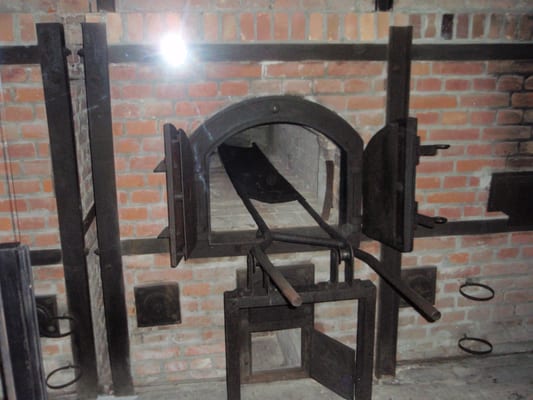
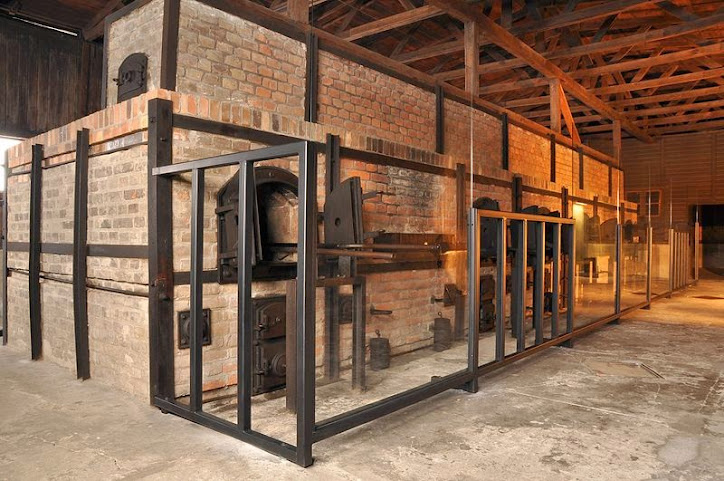
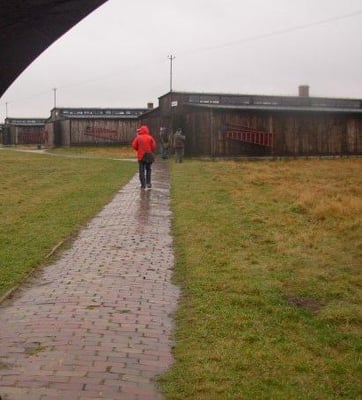
The above excerpt is from a paper I wrote in college about Poland during the Second World War. The things mentioned in it are deplorable and would make any person cringe, but you can't even begin to fathom just how horrible conditions were until your 30-person tour group is packed like sardines inside small barracks intended to "house" 20,000 of the documented 300,000 prisoners. There is just nothing as chilling as still being able to smell the remnants of burning bodies over half a century later.
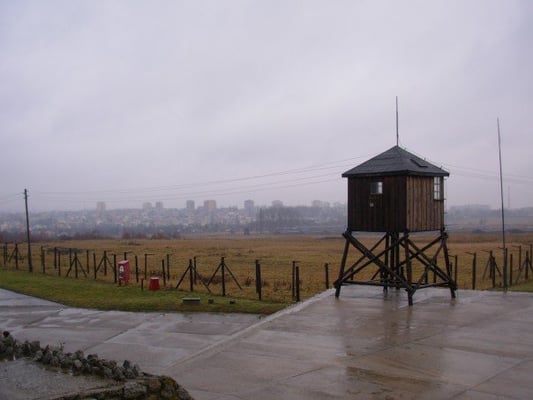
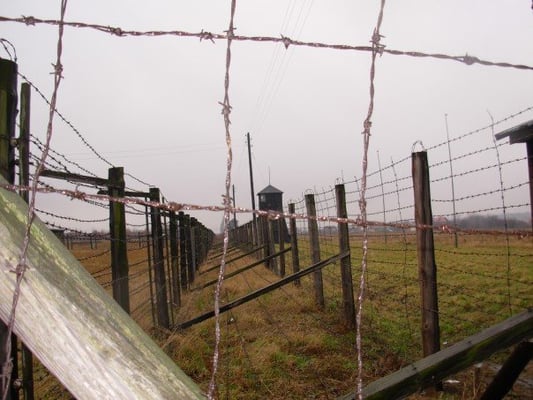
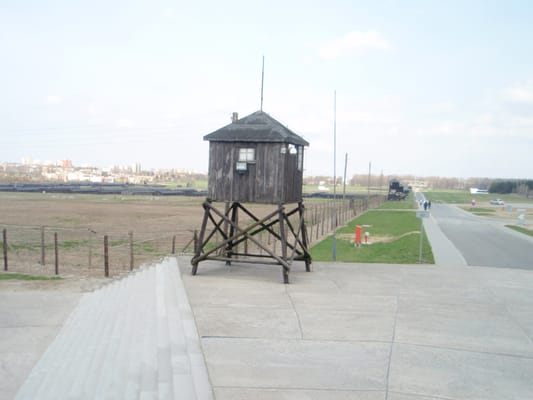
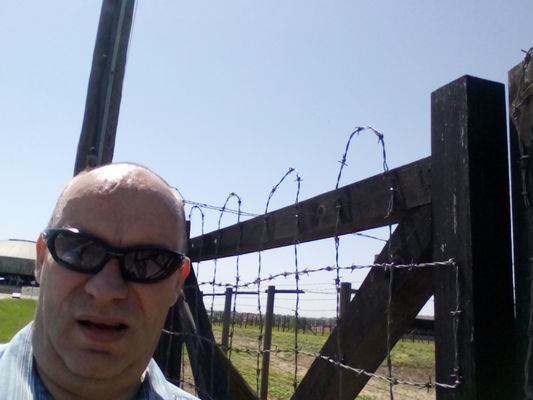
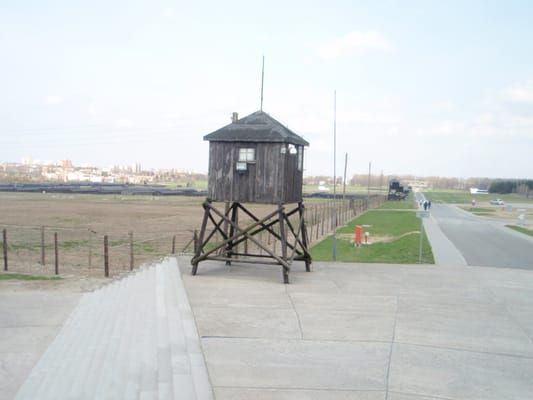
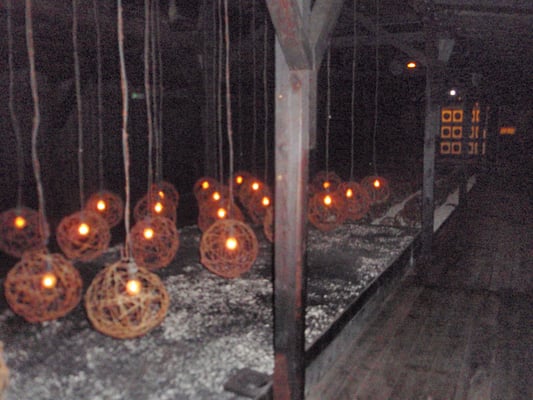
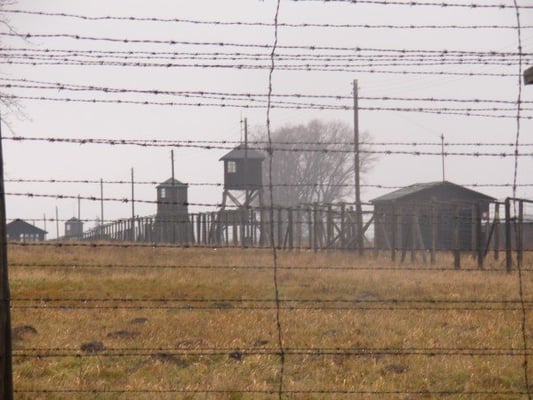
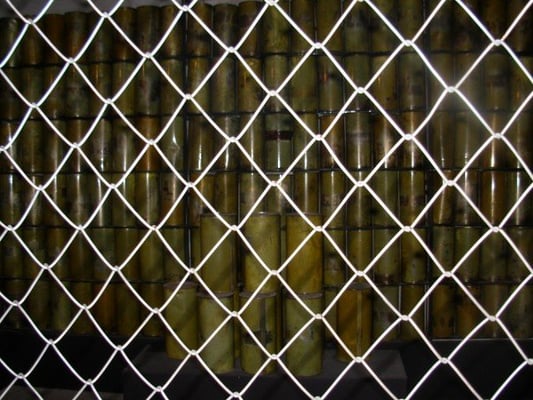
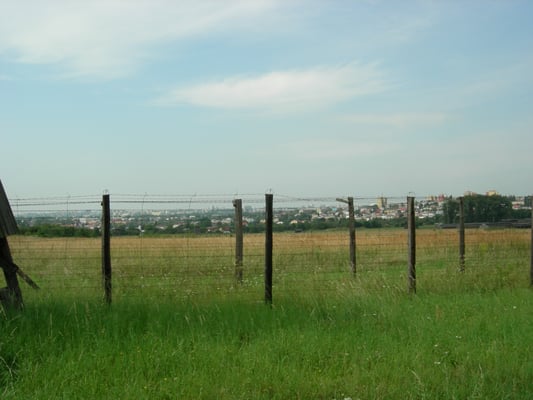
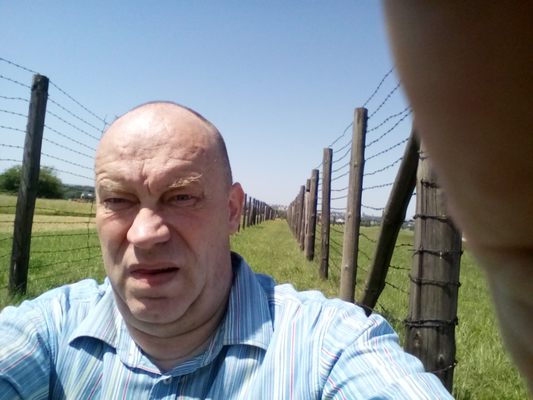
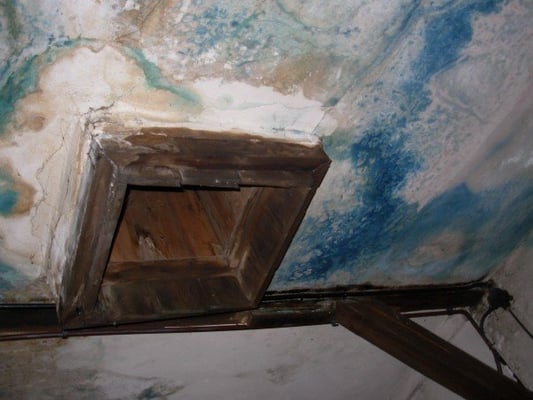
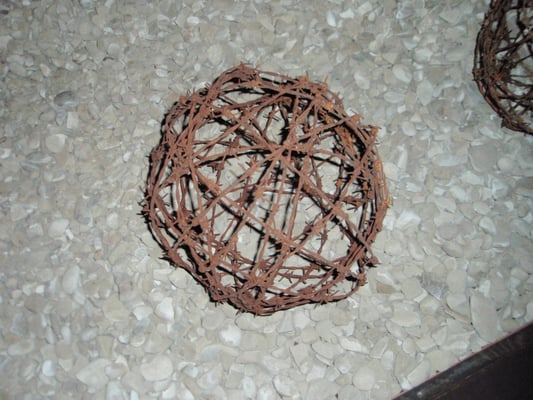
Our tour guide was very knowledgeable and lead us through the entire camp. We saw offices, guard towers, the double-deep barb wire fencing, the barracks, the gas chambers and storage rooms (filled to the brim with Zyklon B canisters). Nothing was nearly as daunting as the fact that this destination of death is on the outskirts of town. This is part of what sets this place apart from other concentration camps. It's not in a truly desolate or rural area. You can see most of the city from Majdanek and there was no doubt in anyone's mind that the city of Lublin could see what was happening in its own backyard.
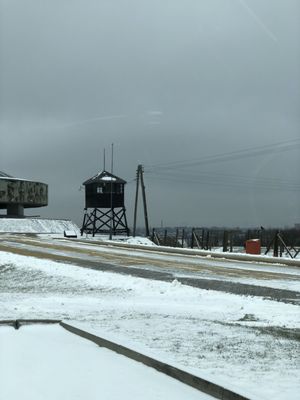
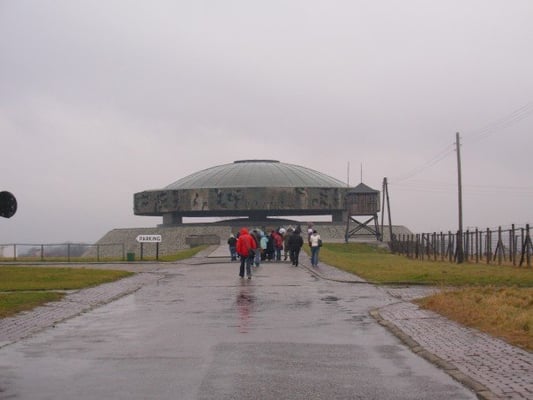
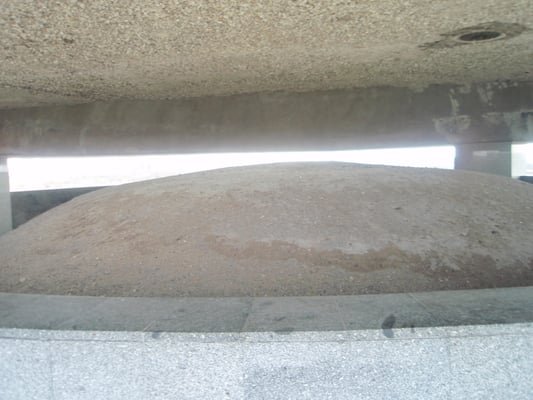
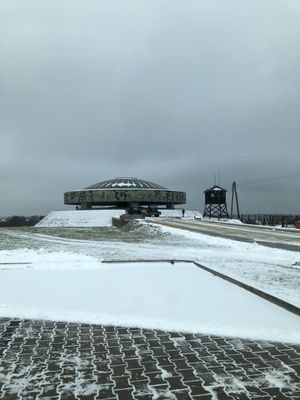
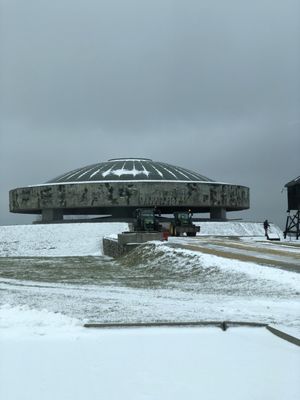
Despite it being quite gloomy and rainy in January, I managed to take some beautiful pictures of the museum grounds (as beautiful as these things can be). On the 25th anniversary of liberation, a large entry gate statue was built and a mausoleum that holds victims' remains is located on the opposite side. The magnitude of this monument can only be fully appreciated when you realize just how tiny you are in comparison. Climbing its steps also gives you a great vantage point and made me realize how grateful I am that Majdanek has remained nearly intact throughout the decades.
If you are at all interested in Polish, World War II or Jewish history, especially pertaining to the Holocaust, you must make this one of your stops. The preservation is astounding and there are so many things to learn and experience here. They can accommodate large tour groups but it's also easily accessible by taxi, if you'd like to go alone. Plan to spend at least two hours here and check the website for hours (they vary depending on day/season and exhibit). Also, plan to have nothing else planned for the rest of your day. It's a serious subject and a lot to take in both academically and emotionally.