The Josie Hotel, Autograph Collection
Hotel · Rossland ·
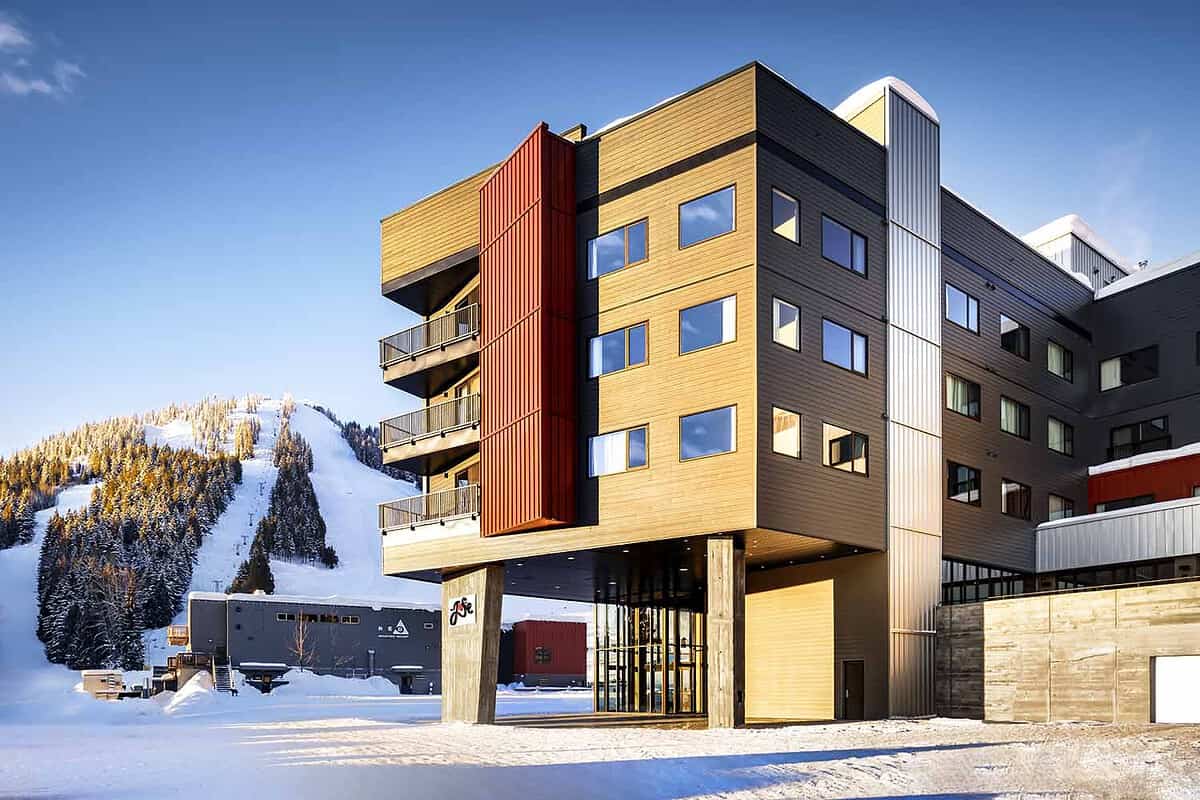
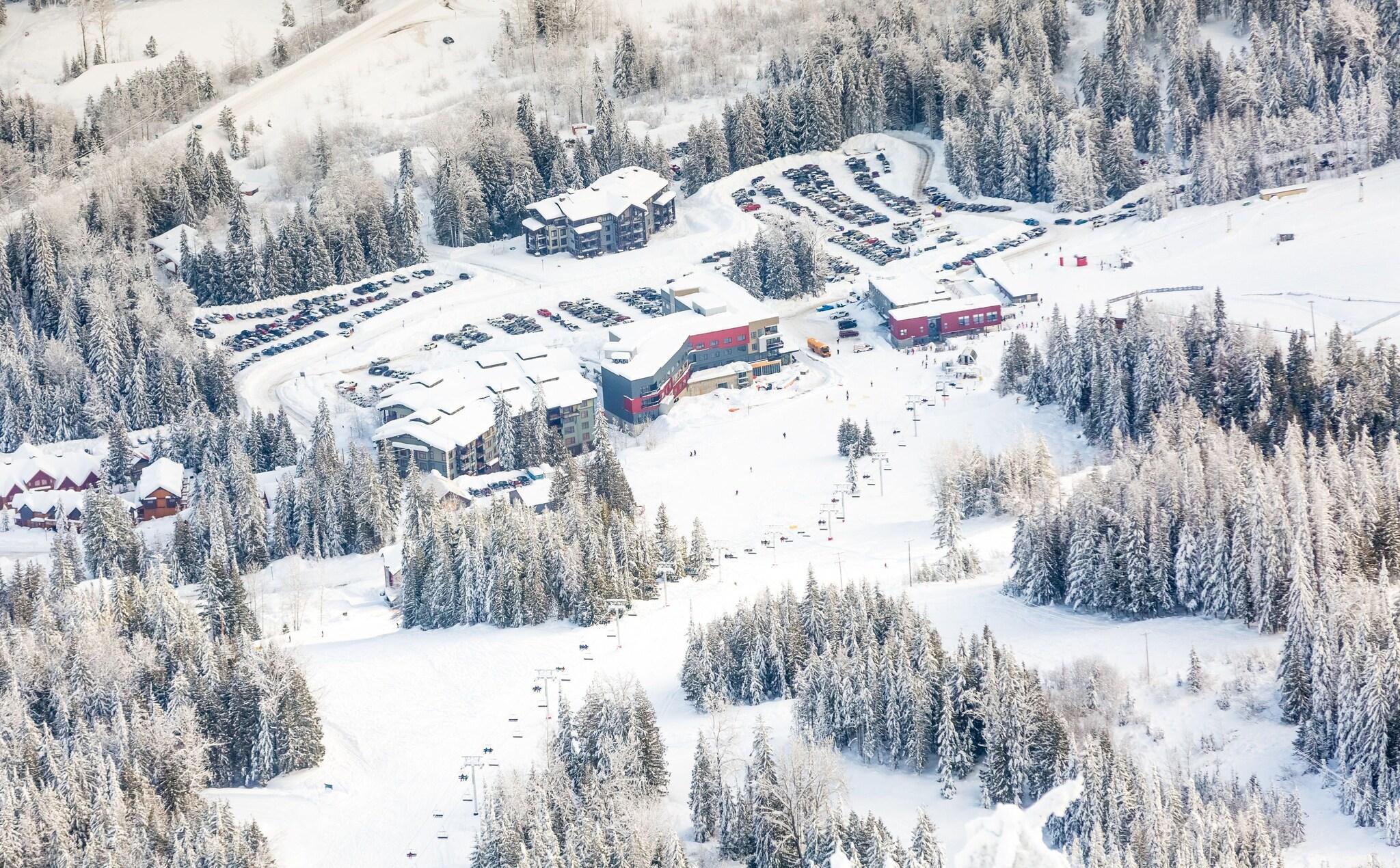
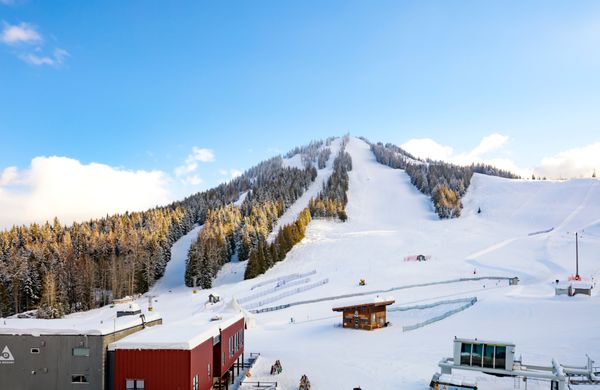
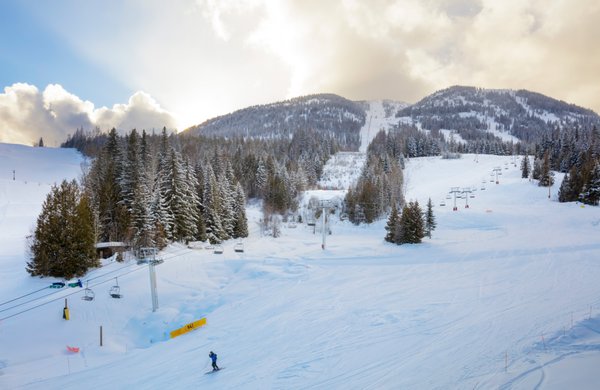
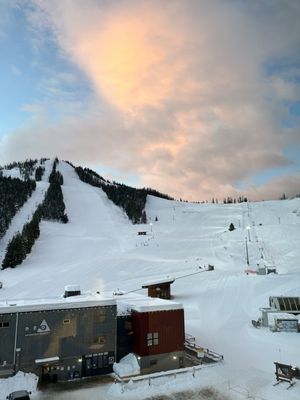
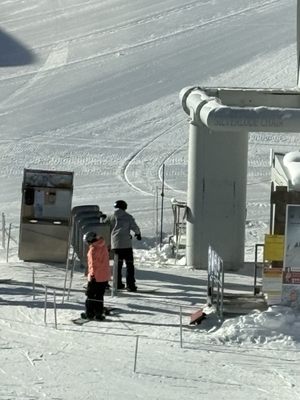
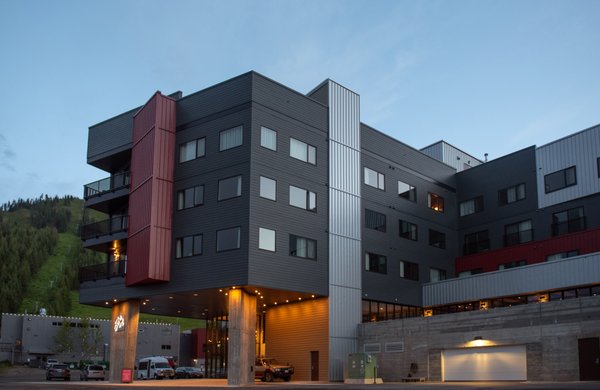
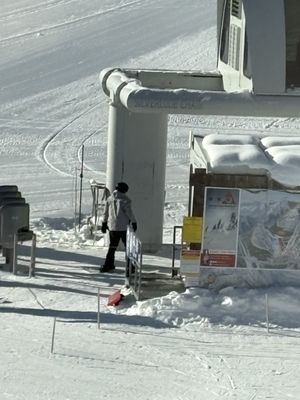
Modern boutique hotel with ski-in/ski-out access & mountain views
















Information
4306 Old Red Mountain Rd., Rossland, BC V0G 1Y0, Canada Get directions
Modern boutique hotel with ski-in/ski-out access & mountain views
4306 Old Red Mountain Rd., Rossland, BC V0G 1Y0, Canada Get directions
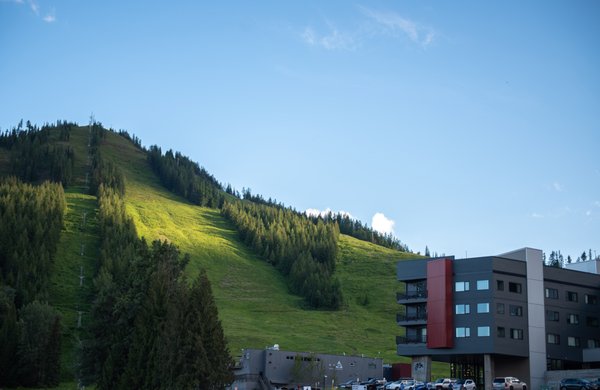
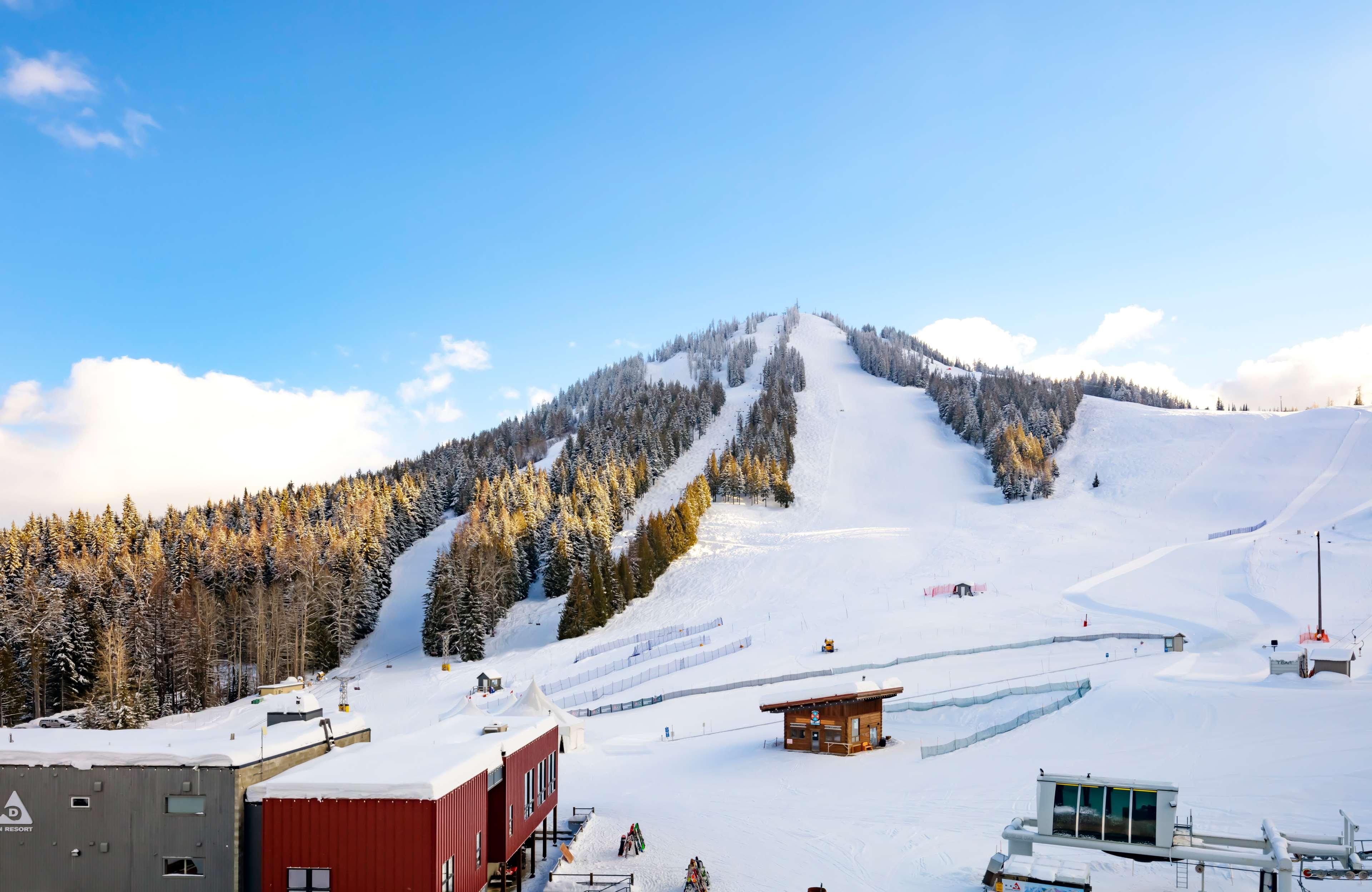
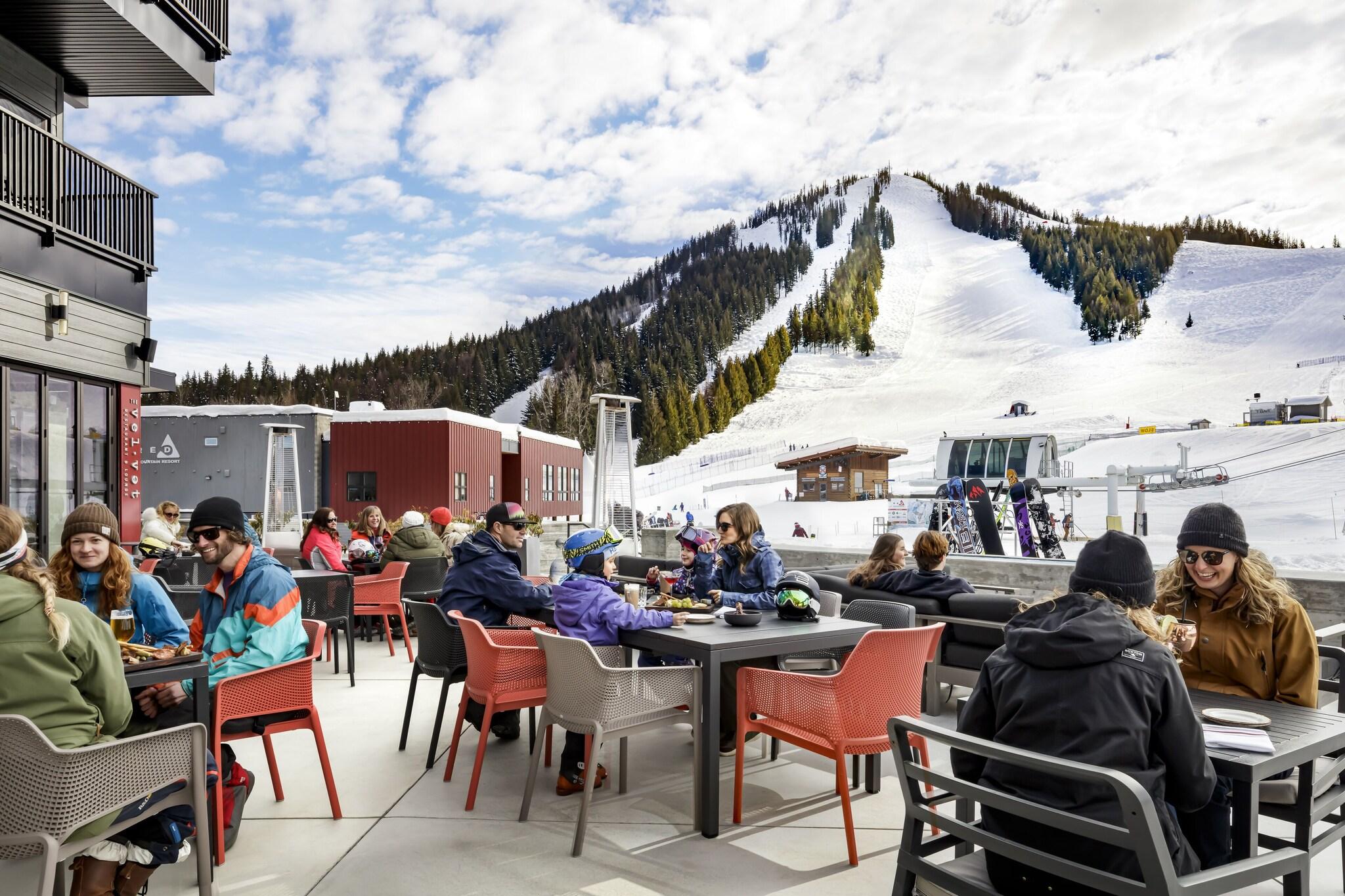
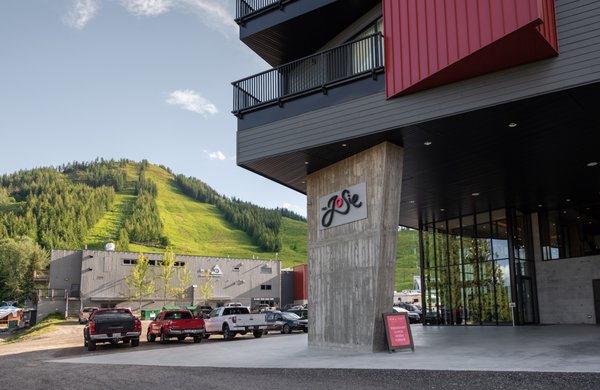
"Shown as a hiking option in Canada on Marriott Bonvoy Outdoors, The Josie Hotel is noted for its proximity to the Red Mountain ski resort in British Columbia." - Bailey Berg
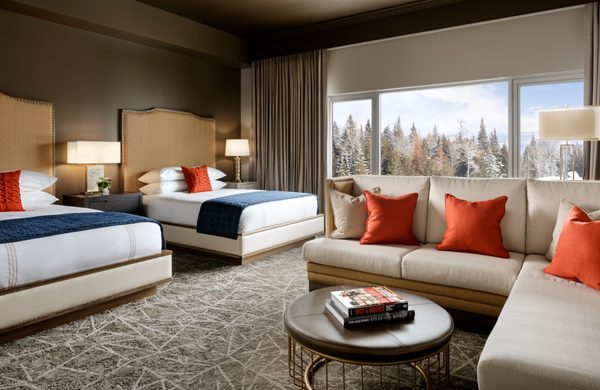
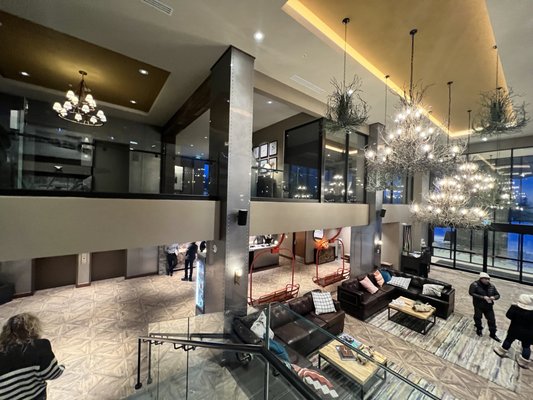
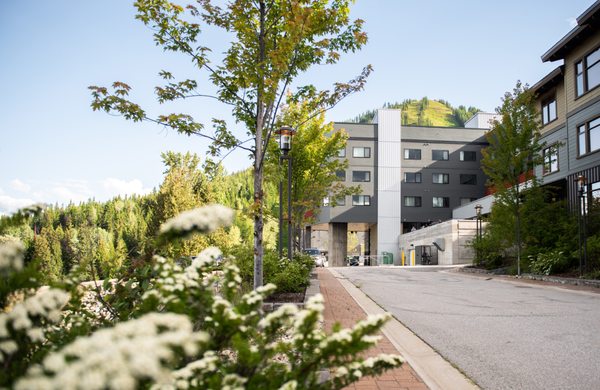
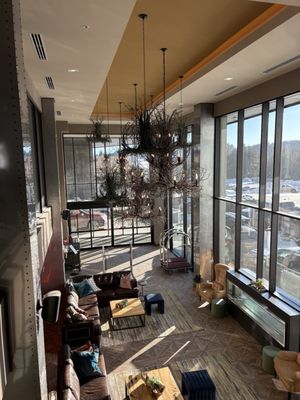
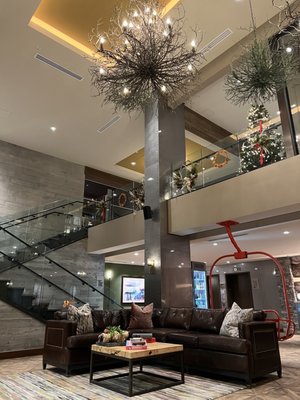
"We checked in to the Josie Hotel, a 106-room property where the airy suites have floor-to-ceiling windows, large living rooms, and nightstands flecked with gold." - Tim Neville
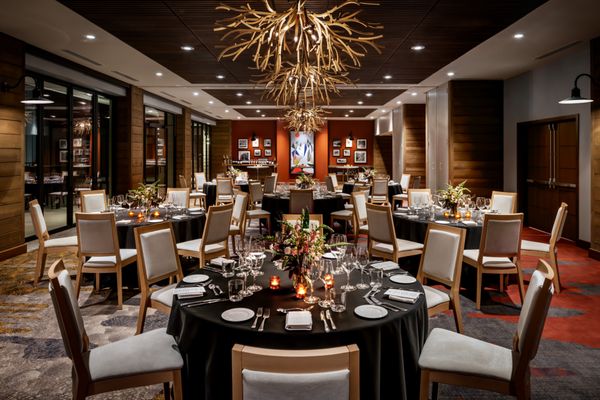
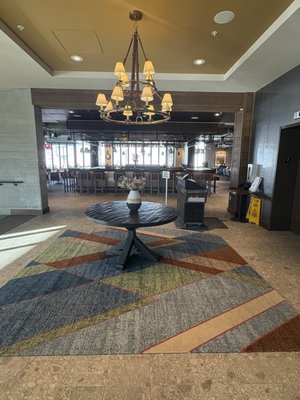
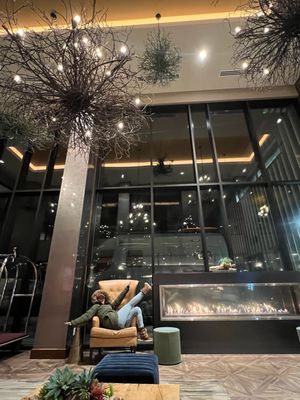
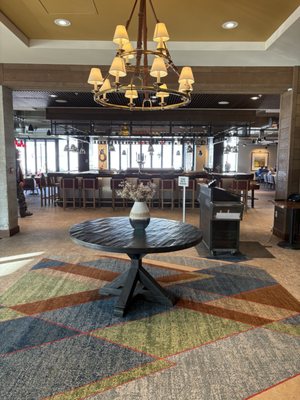
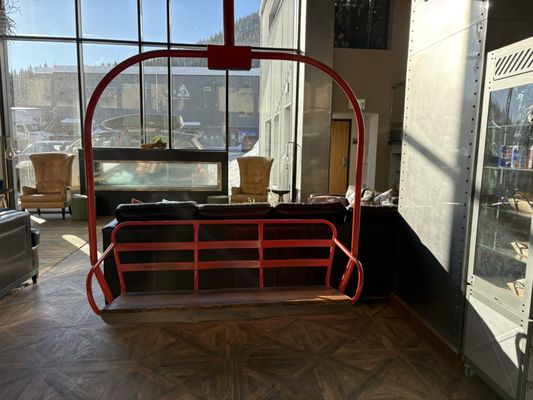
"Opened in winter 2018, the Josie is the region’s first boutique hotel, and the first ski-in, ski-out hotel to open in Canada in over a decade. Named after one of the town’s most notable mines, the Josie Mine, there’s nothing dark and dingy about this place – the guest rooms, studios and suites boast plush bedding, spacious bathrooms and heated floors. Floor-to-ceiling windows showcase stellar views of Red Mountain and the Rossland Range. Quebec-born chef Marc-Andre Choquette heads the restaurant, with a French-influenced seasonal menu. Guests get post-mountain recovery at the spa, with its panoramic slope-side cedar barrel saunas (complete with glass walls for people-watching). " - Nicola Iseard
fdoamerica
Trip.com M.
Theodore S.
luahh
Nicholas S.
Mike M.
vinsull
Todd S.

Dawn C.

Don K.

Ashley N.

W W.

Amy J.

Lance F.
Cassandra W.

Rodelyn M.
C B.

Abe L.
T M.
Brad H.
Teacla M.
Ted F.


