Tsukiji Hongan-ji Temple
Buddhist temple · Chūō ·

Tsukiji Hongan-ji Temple

Buddhist temple · Chūō ·

Unique Indian-Asian architecture, pipe organ, peaceful retreat

unique architecture
peaceful atmosphere
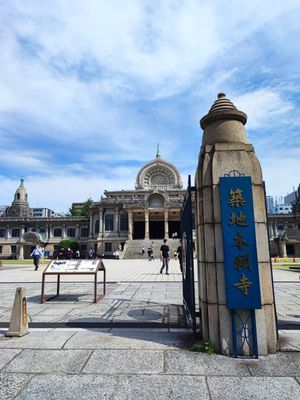
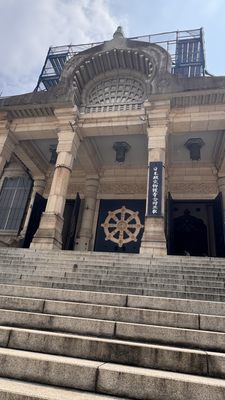
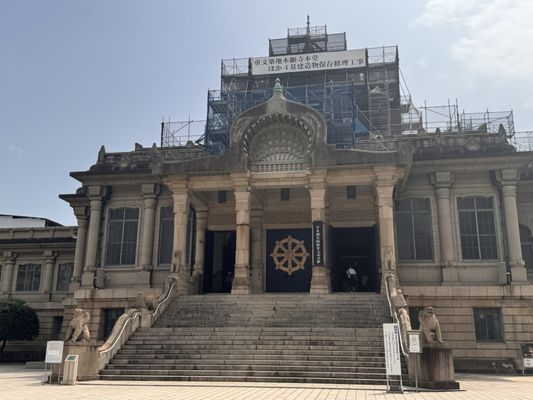
indian buddhist architecture
free admission
near tsukiji fish market
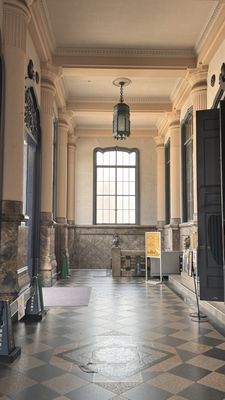
beautiful interior
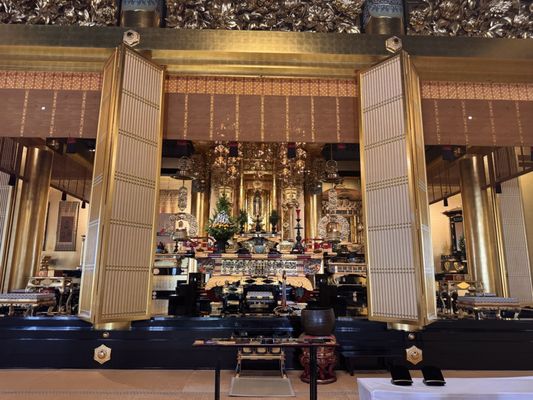
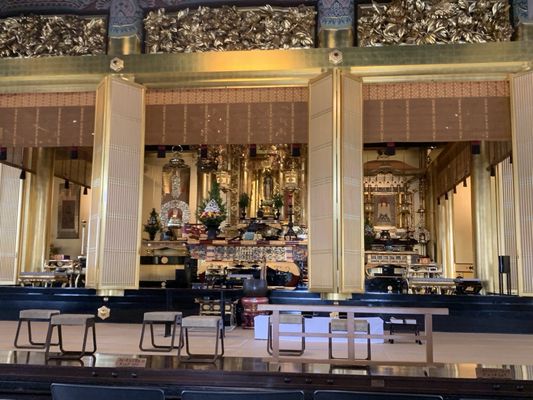
grand sanctuary
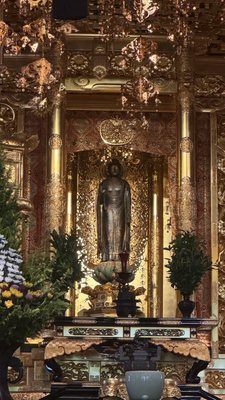
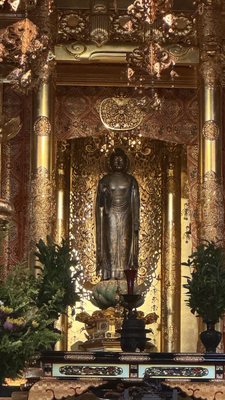
statue of amida buddha
Tsukiji Hongan-ji Temple by null

Information

3 Chome-15-1 Tsukiji, Chuo City, Tokyo 104-8435, Japan Get directions

Restroom
Wheelchair accessible entrance
Wheelchair accessible parking lot
Wheelchair accessible restroom

Information

Static Map

3 Chome-15-1 Tsukiji, Chuo City, Tokyo 104-8435, Japan Get directions

+81 120 792 048
tsukijihongwanji.jp
@tsukijihongwanji_official
𝕏
@tsukijikoushiki

Features

•Restroom
•Wheelchair accessible entrance
•Wheelchair accessible parking lot
•Wheelchair accessible restroom

Last updated

Jan 13, 2026

Powered By

You might also like

Terms of Use • Privacy Policy • Cookie Policy
 © 2026 Postcard Technologies, Inc.
@michelinguide
48,380 Postcards · 8,030 Cities

All You Need to Know About Toyosu and Tsukiji Markets

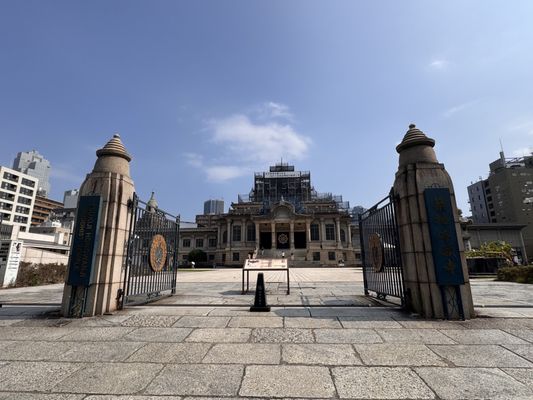
"A historic site with an origin dating to 1617, the current building—designed by legendary architect Chuta Ito and completed in 1934—shows a unique style that incorporates features of ancient Indian temples." - Kyoko Nakayama

https://guide.michelin.com/en/article/travel/tsukiji-toyosu-market
Tsukiji Hongan-ji Temple

Jimbo

Google
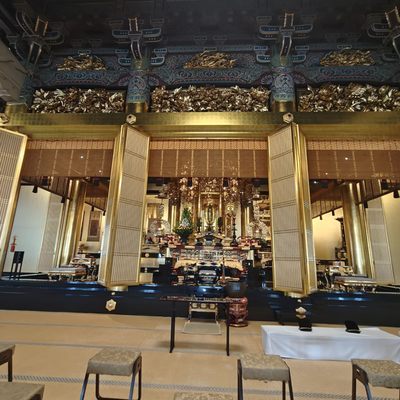
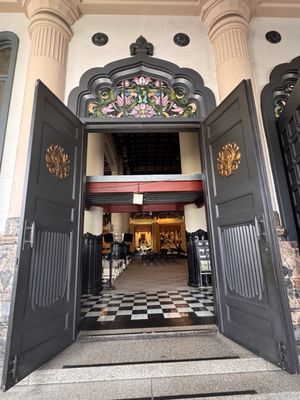
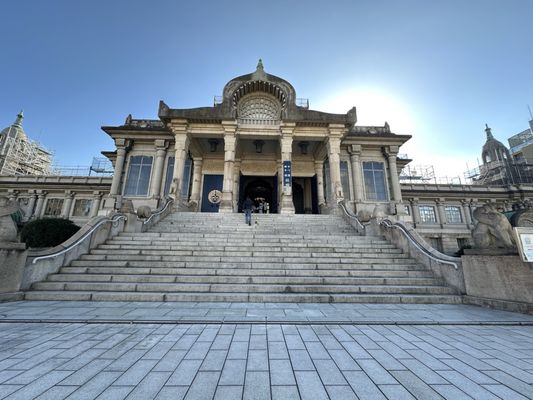
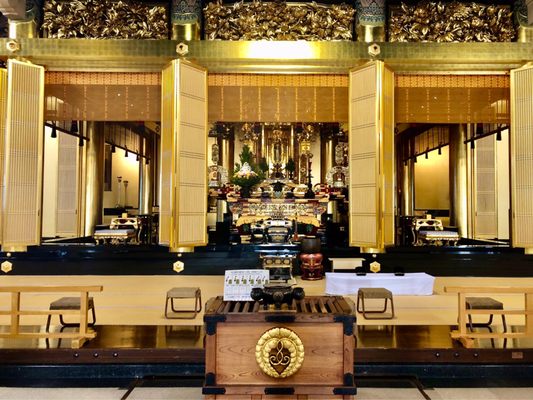
The Tsukiji Hongan-ji Temple is one of Tokyo's most architecturally unique and striking religious sites. Unlike traditional Japanese temples, its design is strongly influenced by ancient Indian (Buddhist) architecture, giving it a dramatic and exotic look featuring stone, domes, and arches reminiscent of structures like the Ajanta Caves. ​Located right next to the famous Tsukiji Outer Market, the temple is an active place of worship and a peaceful retreat from the surrounding urban bustle. Inside, the main sanctuary is grand and spacious, housing a beautiful statue of Amida Buddha.

Hellseeker

Google
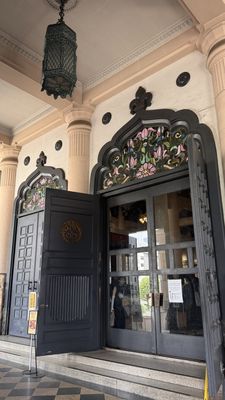
It is a hidden gem in Tokyo. Before visiting, I hadn’t originally planned to visit Tsukiji Hongwanji Temple, it was a spontaneous stop while going to Tsukiji Market. It has really surprised me, it turned out to be one of the most memorable places I visited in Tokyo. The architecture is inspired by ancient Indian and Asian styles, sets it apart from traditional Japanese temples. Its stone facade, stained glass windows and even a pipe organ inside evoke a sense of serene grandeur that feels both sacred and unique. Despite being in the heart of Tokyo, the temple grounds offer a peaceful retreat. We can feel the weight of its history here. The experience was unexpectedly profound and I highly recommend it to every visitor, not ever you're a temple enthusiast or simply curious. It’s a perfect example of how unplanned detours can lead to unforgettable discoveries.

Meda W.

Google
Lovely temple. Smells good. Being renovated. Not many people there. Nice garden are with stone walkway. Pretty inside.

Marta S.

Google
Tsukiji Temple is a calm and beautiful spot in busy Tokyo. I loved the unique design—it’s different from other temples. It’s free to visit and not crowded, so it felt peaceful. A nice place to take a break and enjoy the moment.

Jim R.

Google
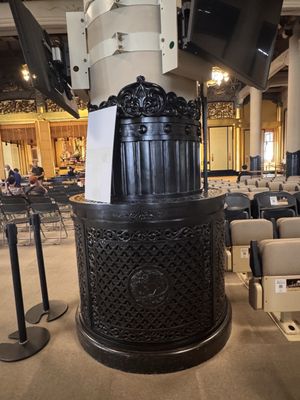
If you’re tired of cookie-cutter shrines with “no photos” signs and silent monks ignoring your existence, this is your pivot. This place is stunning, welcoming, and built like the architectural love child of a Buddhist temple and the Pantheon, topped with just enough gold to make Versailles jealous. First, the approach: you’re greeted by a beautiful chozuya (water purification basin) out front. Yes, it’s mainly for cleansing before prayers, but let’s be honest, in 35°C Tokyo heat, it feels like a free spa for your soul. Inside, it’s gold on gold on gold. The main hall is grand yet not pretentious. The craftsmanship is so intricate that if you’re not humbled by the design, check your pulse. Chairs line up for daily prayers and ceremonies, but visitors are welcome to sit, breathe, and just…be. This isn’t a place that demands you understand Buddhism to appreciate its power. The highlight was meeting one of the temple’s descendants, who folded me an origami crane from their temple paper. That’s peak hospitality. It wasn’t some tourist trinket; it was a moment of genuine kindness, paired with a whispered tip on where to get the best shots of the altar. Spoiler: centre aisle, stand back, zoom in. Respectful. Majestic. Instagram gold. Outside, the temple grounds are immaculate. Surrounded by modern Tokyo high rises, it’s like the universe dropped a Zen oasis into Ginza’s chaos. Spend time walking the grounds and reflecting. You’ll feel your cortisol levels drop faster than the yen during a BoJ intervention. If you’re in Tsukiji for the market, detour here. It’s free, gorgeous, and humbling. It reminds you that Tokyo isn’t just about shopping or sushi; it’s about deeply rooted beauty and people who still value paper cranes over TikTok likes.

Celine C

Google
While it’s a nice idea in theory, the outcome really looks unbalanced and like a weird mash up. Unclear if it’s a Hindu temple, Japanese Shinto or church, weird mixture of Japanese, Hindi and classic architectural elements and excessively modern. The interior is quite opulent

Claire M.

Google
A truly wonderful temple. We visited three times during our trip to Tokyo because it captured our hearts. We discovered it on a food tour, and our guide’s explanation of the temple’s history and rituals made the experience even more meaningful. It will always hold a special place in our hearts.

Li

Google
Nice temple, quiet and not busy at all. Free entry.
google avatar

Helene S.

Yelp
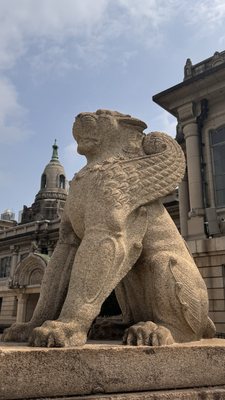
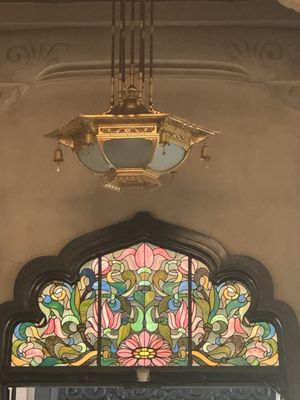
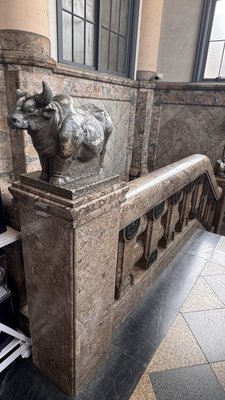
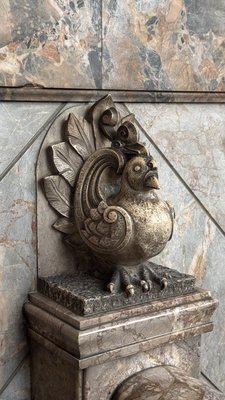
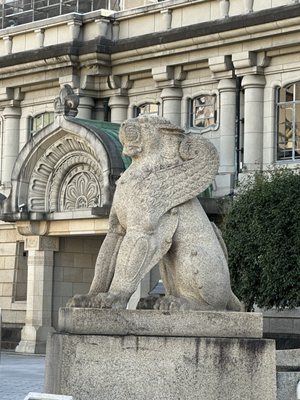
The Tsukiji Hongan-ji Temple is so unique. It is a blend of architectural styles, heavily influenced by temples in India. Wash your hands at the traditional tsukubai before visiting the temple. In Japan, a tsukubai (蹲踞) is a washbasin provided at the entrance to a holy place. Visitors should purify themselves by washing their hands and rinsing their mouth before entering. The stone facade of the temple reflects traditional shapes and motifs of ancient Buddhist monuments, even though it was built in the 1930s. The two prior temples were burned to the ground and destroyed by the great Kanto earthquake. As you explore the temple look for not so hidden details. The lotus flowers, columns and minarets are borrowed from Southeast Asian, European and Islamic culture and religion. The blend of ideas displays the multicultural spirit of the temple that embraces all to be welcome from different religions, different faiths, different parts of the world. As you enter the main hall, you will see the beautiful Amitabha Buddha as well as elements from other faiths. A stained-glass window with lotus flowers. A church pipe organ from Germany. The architect Ito Chuta incorporated his love of "yokai," traditional Japanese monsters, into the temple. Interesting to see winged lions, horses, lion dogs, elephants, peacocks, monkeys, Chinese phoenixes, and exotic and strange figures incorporated into the temple. Look for the four legendary Chinese animals, a Blue Dragon, a Red Peacock, a White Tiger, and a Black Tortoise, hidden inside. A very special place to visit near the Tsukiji Fish Market.
google avatar

Anthony Y.

Yelp
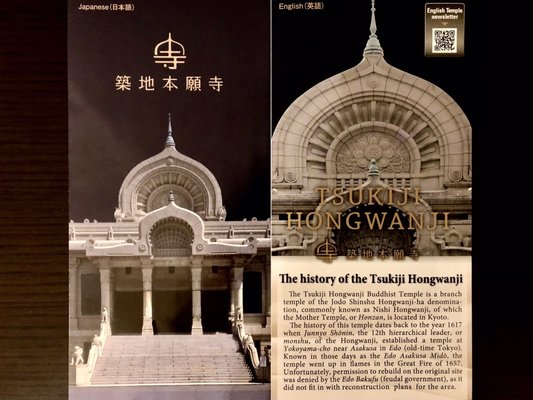
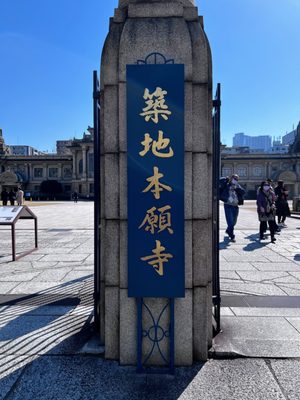
Leaving te Tsukiji Fish Market trying to get a taxi back to Cerulean Tower Hotel we stumbled on Tsukiji Hong-Ji Buddhist Temple. What a beautiful temple and I was honored to see the first thing we passed entering the large courtyard in front is a large statue of Shinran Shonin, the founder of the Jodi Shinshu teachings. Tsukiji Hongan-ji is a Jodo Shinshu Buddhist Temple. The Jodo Shinshu tradition was established by a priest named Shinran of the 13th century. The original temple of Tsukiji Hongan-ji was built in Asakusa, Tokyo. It was destroyed by fire in 1657 and a new temple was rebuilt at the present site. At the time however, Tsukiji was still a part of the sea. A group of people, many of whom were Jodo Shinshu followers, worked to reclaim the land, and a new temple was built and completed in 1678 facing southwest in the direction of the present Tsukiji Market. The temple was again destroyed due the Great Kanto Earthquake in 1923. A famous architect Ito Chuta, designed the present Tsukiji Hongwanji, rearranging the direction of the new temple by 90 degrees to face northwest, in the direction of Ginza. In 2014, many of the temple structures, main hall, gates (central, north, and south) and stone walls were designated as Important Cultural Assets by the Japanese government. The temple name, "Tsukiji" consists of two Chinese characters: which means "build" and "land" respectively. Since being land reclaimed from the sea, the name "Tsukiji" was given. If going to the Tsukiji Outer Fish Market definitely come by this Temple. I went inside to offer incense and it is so peaceful and relaxing in this beautiful temple. It's free to enter and there's also a restaurant and bookstore on site.
google avatar

Keiko M.

Yelp
The temple is so special and I got to learn many things. If you are interested in Jodoshinshu, Japanese culture, Shinran, etc..., you should go there. Admission: Free.
google avatar

Katherine F.

Yelp
Beautiful temple near the tsukiji fish market that is free to get in! They have seats and places to pray in the interior. It is also across from the famous cafe where you can try to 18 dish breakfast or get a high quality cup of tea.
google avatar

Kenson K.

Yelp
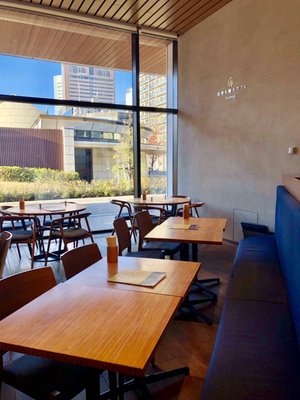
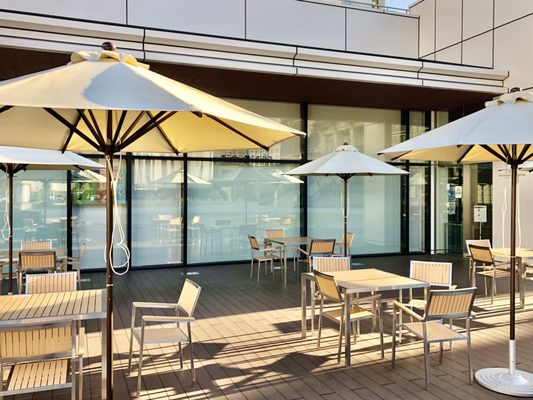
Came back to the temple on my next trip to Japan, almost 1 year after my last visit. This review is mostly for the restaurant located on site. The reason why we came back this time around was because my mom and aunty wanted to try the "shojin ryori" meal at the restaurant located on the grounds. Shojin ryori is referred to as "monks food" and is supposed to be vegetarian. I believe there was duck and some seafood in some dishes, but the majority of the dishes was vegetarian. But there was meat in the meal, so it wasn't truly monk's food. The restaurant is in the information center to the left of the main gate. The meal takes about 30 minutes to prepare so you can put your order in, have a look at the temple, and save a seat and come back. The food was very beautifully prepared and was essentially a tasting menu of 20 or so little dishes. Very delicious. I recommend it.
google avatar

Licca K.

Yelp
Architecturally Tsukiji Hongwanji is starkly different than many other temples you might see around Japan. It's architecture seems to be inspired from Indian Buddhist architecture. We briefly happened upon the temple while trying to get to the station nearby. If you're a collector of place stamps this temple has one inside with small brochures or cards if you didn't happen to bring a notebook.
google avatar

Ron Z.

Yelp
Beautiful temple right next to Tsukiji Fish Market. Very different from other temples I have seen around Japan. This one felt more like a Catholic Church. Beautiful architecture both inside and outside the building. A gorgeous, all gold shrine inside the temple. So clean and pristine. Definitely worth a visit. And, IT'S FREE!