Tyrone
Google
The Architecture of Recognition: A February Night at Wallflower
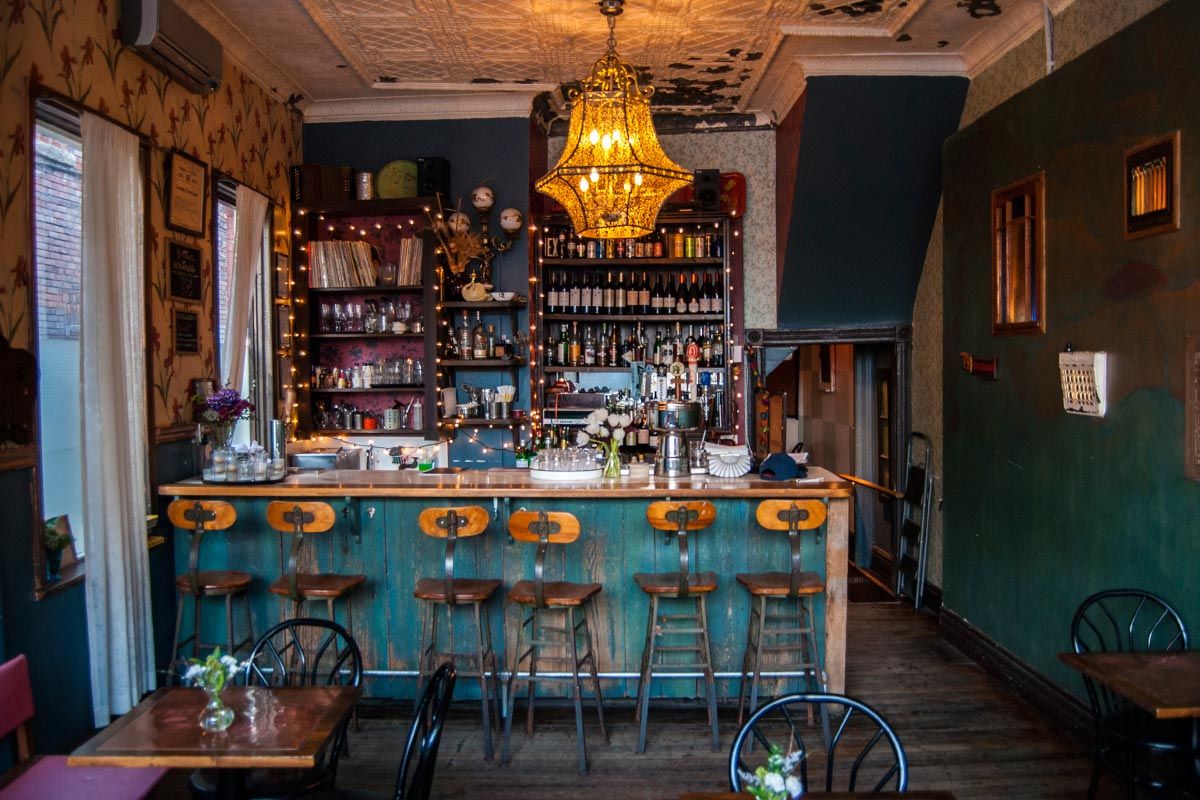
We abandoned the IKEA furniture halfway throughnleaving the half-built skeletons behind because the hunger had become more real than the project. We walked to Wallflower, and the moment I stepped inside, the physical space performed a kind of alchemy.
Fifteen years collapsed in a heartbeat.
I used to be here when a Spanish man owned a business in this location; I spent nights here dancing, moving through a version of Toronto that mostly exists in my head now. But the architecture remembered. Walking in didn’t feel like visiting a business; it felt like the structural equivalent of an old friend. You know those people you haven't seen in a decade, but the second you lock eyes, the gap is deleted? That is what this room did.
The owner hand-painted the walls, and that tactile, human touch makes the decor feel less like "interior design" and more like a living room. It’s the house of an old friend who just happens to be a delicious chef.
We sat there and the world softened. The staff didn't just provide service; they provided energy. You can feel when people actually want to inhabit the space they’re working in. It changes the way the food tastes.
The Menu: A burger and Cosmos for me, gnocchi and wine for her. It wasn't "trying" to be a concept. It was just honest, delicious, and exactly the warmth needed for a mid-winter pivot.
When I left, I walked. I crossed the city from Dundas West all the way to Cabbagetown from the west end to the corner of Dundas and Parliament. Toronto in February is a study in gray, snow, and bone-deep cold, but when you look past the grit, it is a profoundly beautiful film. Walking through the quiet, frozen streets after being "recognized" by a building from my past... it felt like living in a movie. It was the architecture of home, rediscovered in the middle of a winter night.