Museum · Charleston
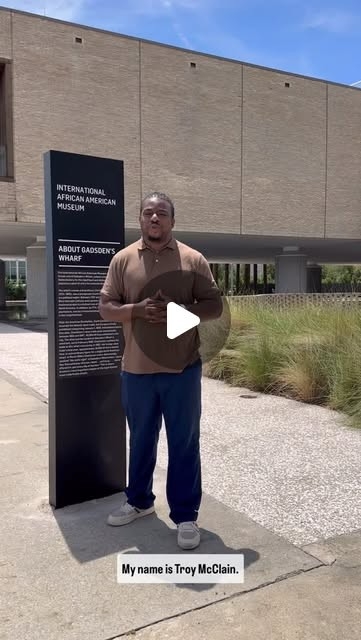
Powerful, contemporary storytelling on sacred ground at Gadsden’s Wharf, with galleries, a genealogy center, and a reflective memorial garden. Featured in The New York Times and praised by Condé Nast Traveler and Southern Living for its scope and impact.
Historical landmark · Charleston
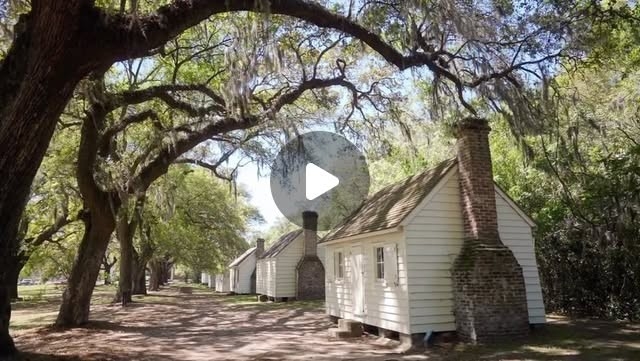
County‑run site centering the lives of enslaved people and Gullah Geechee heritage through interpreter‑led tours. Frequently recommended by travel editors for its honest narrative and shaded grounds along Wappoo Creek.
Art museum · Charleston
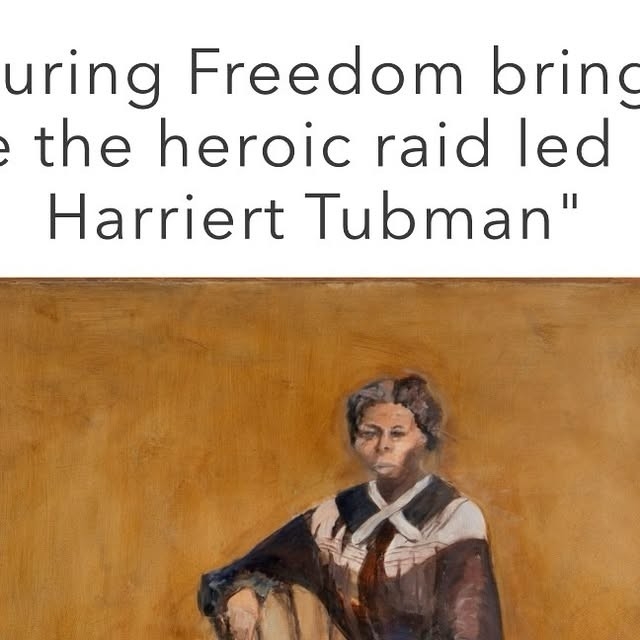
Charleston’s art anchor blends the Charleston Renaissance with timely shows like Picturing Freedom; editors from national magazines regularly highlight its exhibitions and artist talks.
Live music venue · Charleston
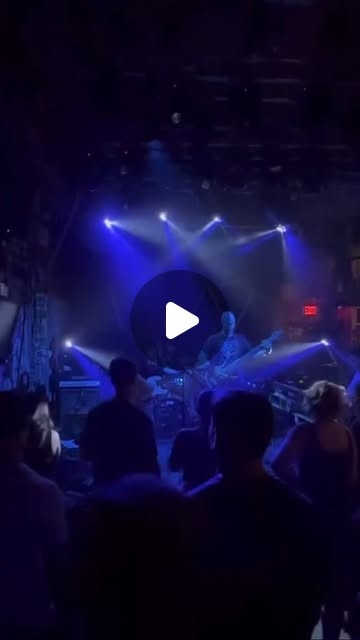
Independent venue with a beloved deck stage, daily shows, and a Sunday market. Trusted local critics and regional publications cite it as a heartbeat of the modern music scene.
Seafood restaurant · Folly Beach
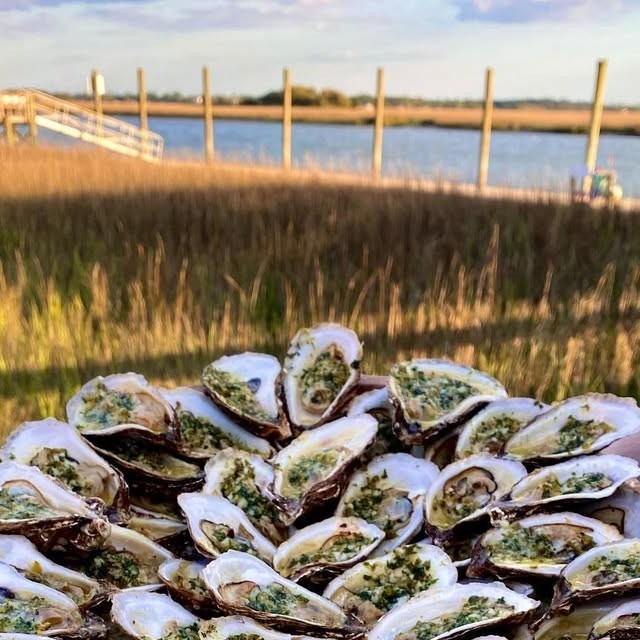
Family‑run since 1946 and a James Beard America’s Classics winner. Eater and local critics champion its creekside oyster roasts, fried seafood, and sunset views splashed across graffiti‑scarred walls.
Tourist attraction · Charleston
A locally led, two‑hour city tour spotlighting Black Charleston and the Gullah language. Endorsed by national travel writers and frequently cited as essential context for understanding Charleston today.
Historical place museum · Charleston
City‑operated museum inside the last surviving building of Charleston’s slave trading complex. Museum Mile and major guides consider it a must for understanding the domestic slave trade.
Museum · Charleston
Housed in a historic school, Avery offers exhibits and archives focused on Lowcountry Black history. Scholars and informed travelers praise its rigorous collections and limited but meaningful public hours.
Sightseeing tour agency · Charleston County
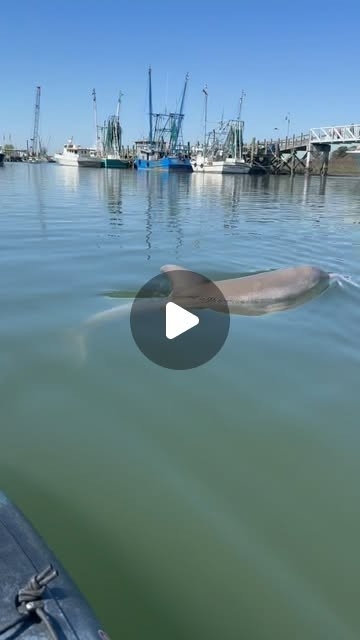
Naturalist‑led ferry into Cape Romain National Wildlife Refuge for trails and Boneyard Beach. Lauded by outdoor editors and supported by a foundation that funds local sea turtle protection.
Book store · Charleston
An independent bookstore that doubles as a cultural hub, hosting author events and licensed walking tours; several tours are highlighted by respected travel publishers for their storytelling and exclusive access.
Art center · Charleston
Nonprofit studios and gallery showcasing Charleston’s working artists. Open studios and markets draw locals; recent exhibitions and classes keep the city’s creative pulse visible beyond the historic core.
Soul food restaurant · Charleston
Family‑owned for decades, serving Gullah Geechee staples like shrimp and crab rice and okra stew. Consistently praised by local food critics and featured in national dining roundups for authentic Lowcountry flavors.
Powerful, contemporary storytelling on sacred ground at Gadsden’s Wharf, with galleries, a genealogy center, and a reflective memorial garden. Featured in The New York Times and praised by Condé Nast Traveler and Southern Living for its scope and impact.

County‑run site centering the lives of enslaved people and Gullah Geechee heritage through interpreter‑led tours. Frequently recommended by travel editors for its honest narrative and shaded grounds along Wappoo Creek.

Charleston’s art anchor blends the Charleston Renaissance with timely shows like Picturing Freedom; editors from national magazines regularly highlight its exhibitions and artist talks.

Independent venue with a beloved deck stage, daily shows, and a Sunday market. Trusted local critics and regional publications cite it as a heartbeat of the modern music scene.

Family‑run since 1946 and a James Beard America’s Classics winner. Eater and local critics champion its creekside oyster roasts, fried seafood, and sunset views splashed across graffiti‑scarred walls.

A locally led, two‑hour city tour spotlighting Black Charleston and the Gullah language. Endorsed by national travel writers and frequently cited as essential context for understanding Charleston today.
City‑operated museum inside the last surviving building of Charleston’s slave trading complex. Museum Mile and major guides consider it a must for understanding the domestic slave trade.
Housed in a historic school, Avery offers exhibits and archives focused on Lowcountry Black history. Scholars and informed travelers praise its rigorous collections and limited but meaningful public hours.
Naturalist‑led ferry into Cape Romain National Wildlife Refuge for trails and Boneyard Beach. Lauded by outdoor editors and supported by a foundation that funds local sea turtle protection.

An independent bookstore that doubles as a cultural hub, hosting author events and licensed walking tours; several tours are highlighted by respected travel publishers for their storytelling and exclusive access.

Nonprofit studios and gallery showcasing Charleston’s working artists. Open studios and markets draw locals; recent exhibitions and classes keep the city’s creative pulse visible beyond the historic core.

Family‑owned for decades, serving Gullah Geechee staples like shrimp and crab rice and okra stew. Consistently praised by local food critics and featured in national dining roundups for authentic Lowcountry flavors.
Museum · Charleston
Powerful, contemporary storytelling on sacred ground at Gadsden’s Wharf, with galleries, a genealogy center, and a reflective memorial garden. Featured in The New York Times and praised by Condé Nast Traveler and Southern Living for its scope and impact.
Historical landmark · Charleston
County‑run site centering the lives of enslaved people and Gullah Geechee heritage through interpreter‑led tours. Frequently recommended by travel editors for its honest narrative and shaded grounds along Wappoo Creek.
Art museum · Charleston
Charleston’s art anchor blends the Charleston Renaissance with timely shows like Picturing Freedom; editors from national magazines regularly highlight its exhibitions and artist talks.
Live music venue · Charleston
Independent venue with a beloved deck stage, daily shows, and a Sunday market. Trusted local critics and regional publications cite it as a heartbeat of the modern music scene.
Seafood restaurant · Folly Beach
Family‑run since 1946 and a James Beard America’s Classics winner. Eater and local critics champion its creekside oyster roasts, fried seafood, and sunset views splashed across graffiti‑scarred walls.
Tourist attraction · Charleston
A locally led, two‑hour city tour spotlighting Black Charleston and the Gullah language. Endorsed by national travel writers and frequently cited as essential context for understanding Charleston today.
Historical place museum · Charleston
City‑operated museum inside the last surviving building of Charleston’s slave trading complex. Museum Mile and major guides consider it a must for understanding the domestic slave trade.
Museum · Charleston
Housed in a historic school, Avery offers exhibits and archives focused on Lowcountry Black history. Scholars and informed travelers praise its rigorous collections and limited but meaningful public hours.
Sightseeing tour agency · Charleston County
Naturalist‑led ferry into Cape Romain National Wildlife Refuge for trails and Boneyard Beach. Lauded by outdoor editors and supported by a foundation that funds local sea turtle protection.
Book store · Charleston
An independent bookstore that doubles as a cultural hub, hosting author events and licensed walking tours; several tours are highlighted by respected travel publishers for their storytelling and exclusive access.
Art center · Charleston
Nonprofit studios and gallery showcasing Charleston’s working artists. Open studios and markets draw locals; recent exhibitions and classes keep the city’s creative pulse visible beyond the historic core.
Soul food restaurant · Charleston
Family‑owned for decades, serving Gullah Geechee staples like shrimp and crab rice and okra stew. Consistently praised by local food critics and featured in national dining roundups for authentic Lowcountry flavors.