Nasrin's Kitchen
Permanently Closed
Homemade Persian cuisine, tender kebabs, fragrant rice, warm hospitality


















Homemade Persian cuisine, tender kebabs, fragrant rice, warm hospitality
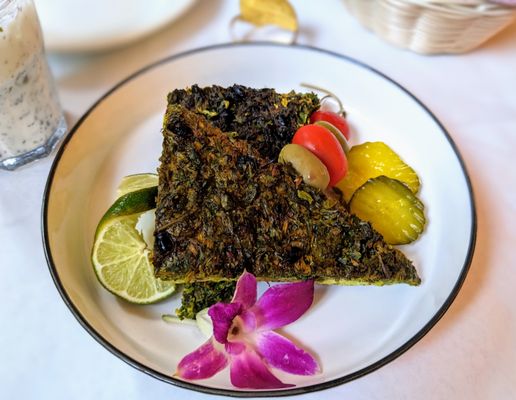
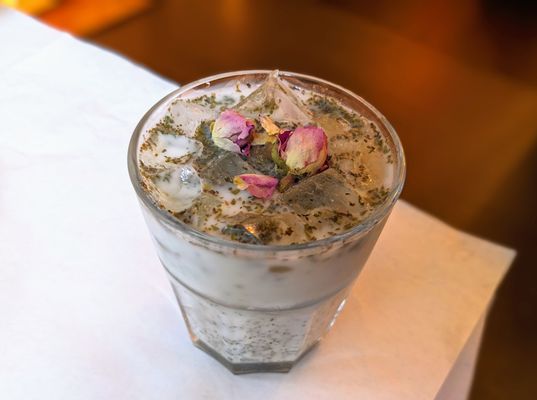
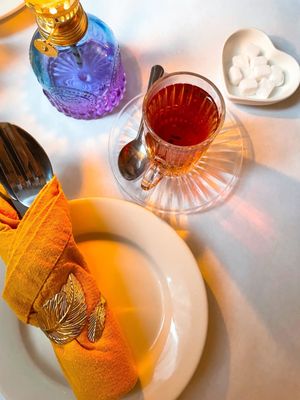
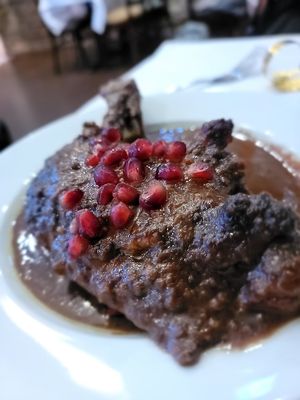
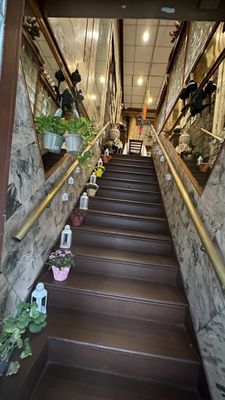
"Walking up the stairs on 57th Street, hidden above a bodega, Nasrin’s Kitchen looks relatively similar to a restaurant you may walk into in Tehran. The food is served with this same ethos and sticks more to tradition. For classic plates like zereshk polo ba morgh, a one-of-a-kind sweet yet bitter and savory chicken dish served on rice with turmeric and dried barberries, Nasrin’s is the place to go. A quintessential feature is the Persian tea service. Brewed daily, the rose petal tea is served with cardamom sugar cubes and saffron-infused sugar candy sticks called “nabaat.” Piping hot from the samovar, it comes to the table on elegant gold dishes and classic Persian tea cups that mirror those in tea houses throughout Iran. Remember, there are two rules to drinking Persian tea: always drink it after a meal, and to never let your tea get cold. If it does, it means you’ve taken too long to pour another glass. The restaurant also offers BYOB for a $35 corkage fee. Nasrin’s will also have a full-course Nowruz special, and it will include classics like kuku sabzi, a herb-filled kish-like appetizer, the classic Persian New Year dish of fish and dill rice, along with the rose water soaked hard wheat noodle dessert faloodeh." - Samir Ferdowsi
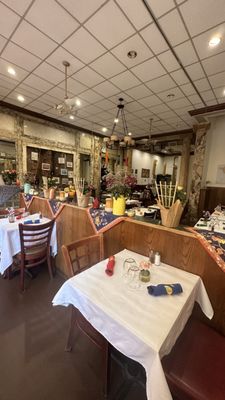
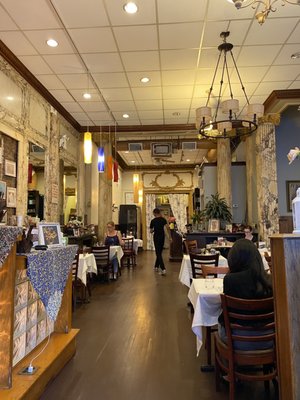
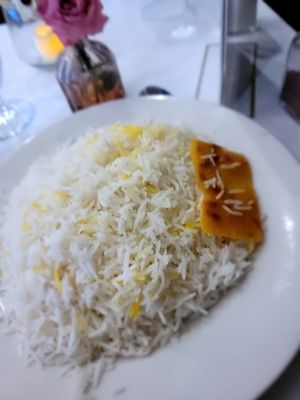
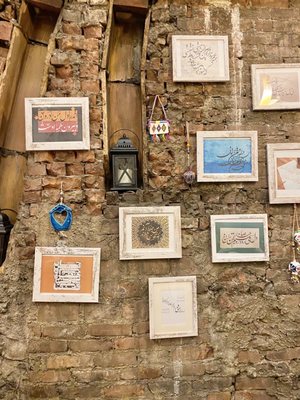
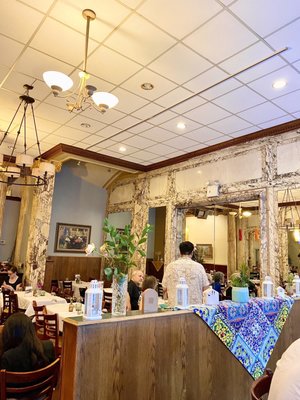
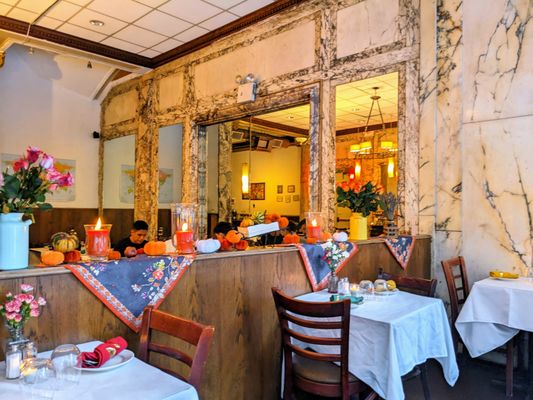
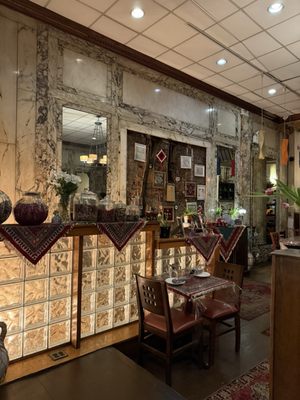
"Fancy restaurants are kind of the norm in Midtown. But there aren’t many places where you can sit in a crumbling, Gilded Age mansion and fantasize about being a nineteenth-century millionaire over a bowl of hot soup. Despite its historic setting, Nasrin’s Kitchen is a casual, homestyle Persian restaurant, where dried rose petals, framed calligraphy and lute music add to the old world charm. Share a few appetizers and a stew or kebab entree, which come with a plate of tahdig-topped rice. Nasrin’s closes at 8pm, so stop by for an early dinner and some black tea, served with a chunk of crystallized saffron sugar, before a walk in Central Park." - bryan kim, sonal shah, kenny yang, carina finn koeppicus
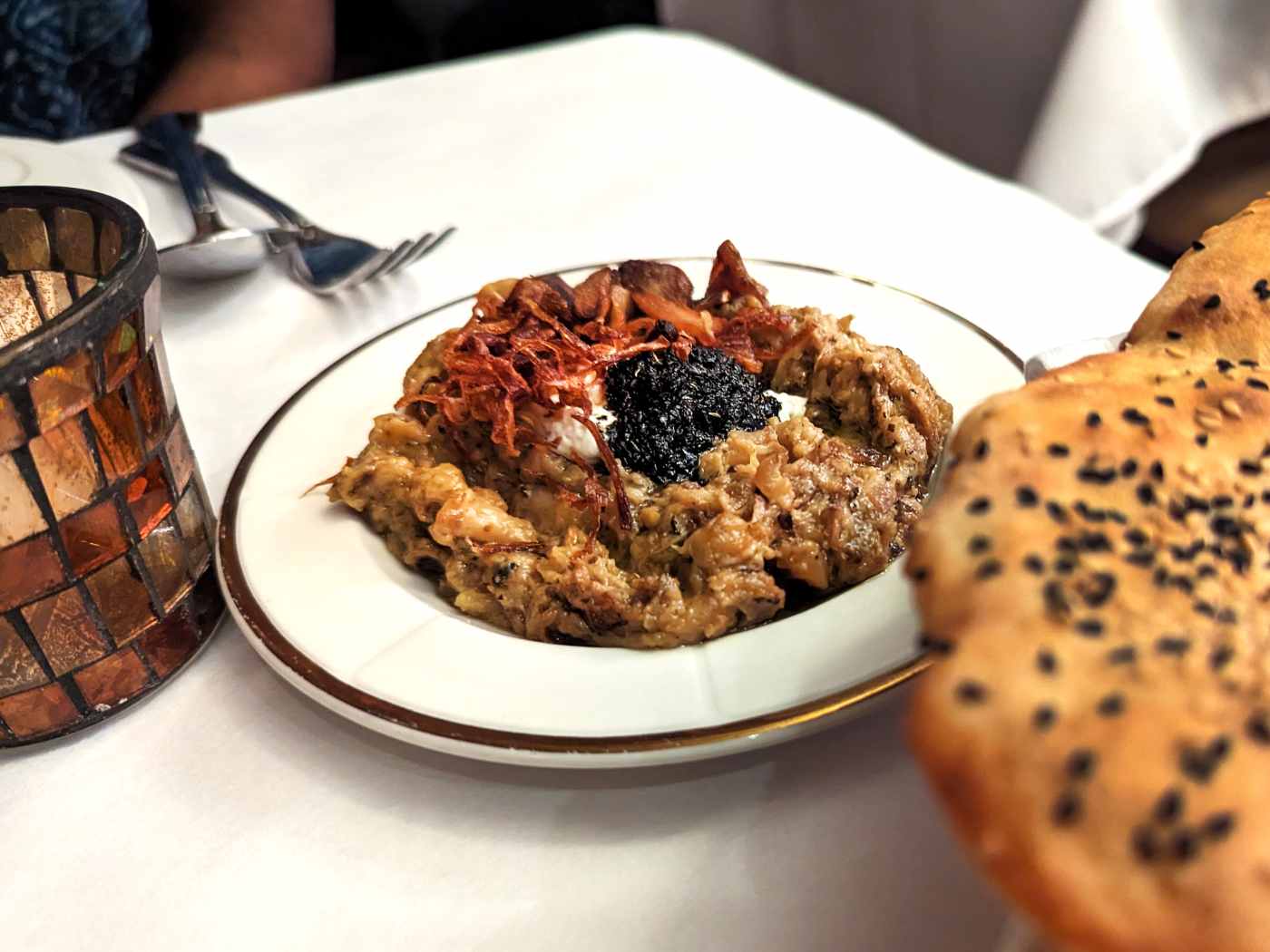
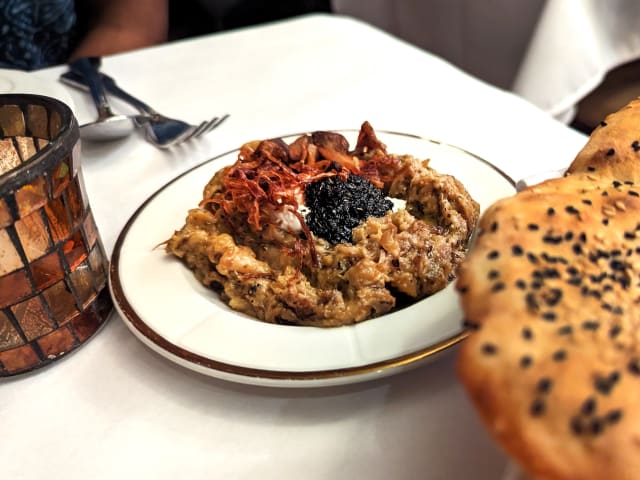
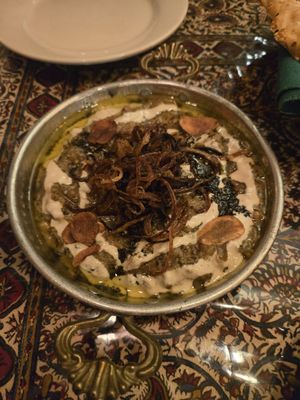
"For a casual, homestyle dinner in a theatrical setting, head to Nasrin’s Kitchen, an Iranian restaurant in a crumbling Gilded Age mansion on 57th Street. The ornamental molding and oil paintings are worthy of a stage set, with added Persian touches like dried rose petals, framed calligraphy, and lute music. Get a hot bowl of ash reshteh or eggplant dip with fresh bread to start, and rose-scented baklava to finish. The stew and kebab entrees come with big plates of rice that’ll keep you going until the curtains come down. And you’re not likely to find warmer, family-style service, or unfussier food in this part of Midtown." - Kenny Yang, Hannah Albertine, Sonal Shah, Carina Finn Koeppicus, Bryan Kim
"Located in a crumbling Gilded Age mansion on 57th Street, Nasrin’s Kitchen is an Iranian restaurant where the dried rose petals, framed calligraphy and lute music feel completely in tune with the House of Mirth interiors. If you’re in Midtown and looking for a casual, early dinner, stop by for homestyle food and the most endearingly all-over-the-place, family-style service you’ll find this close to Bergdorf Goodman. Get a hot bowl of ash reshteh or eggplant dip with fresh bread before tackling the mound of rice, topped with crunchy golden tahdig, that comes with your stew or kebab entree. Indulge in fantasies about the marbled mansion’s glamorous past over a cup of tea with saffron sugar and rose-scented baklava, then tumble towards Central Park for a much-needed constitutional. photo credit: Sonal Shah photo credit: Sonal Shah photo credit: Sonal Shah photo credit: Sonal Shah Pause Unmute" - Sonal Shah
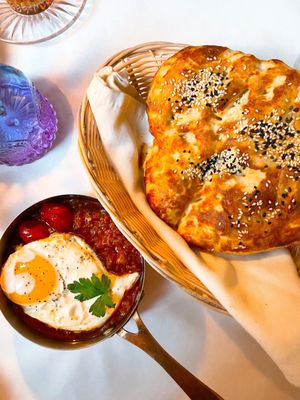
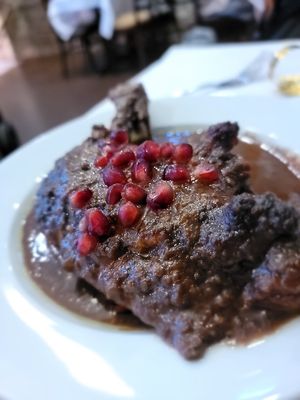
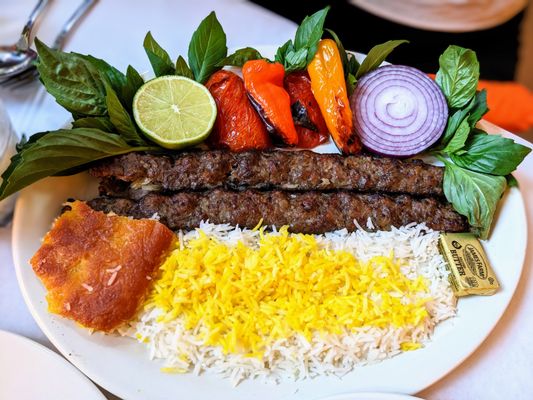
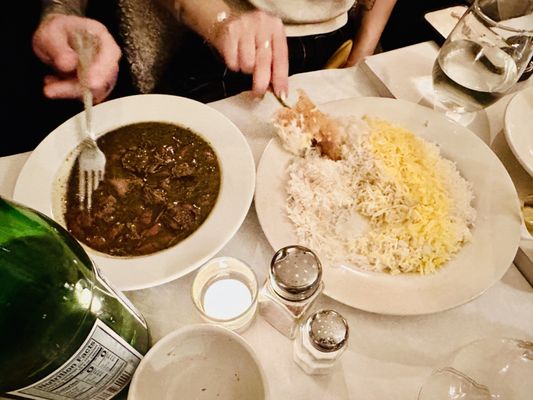
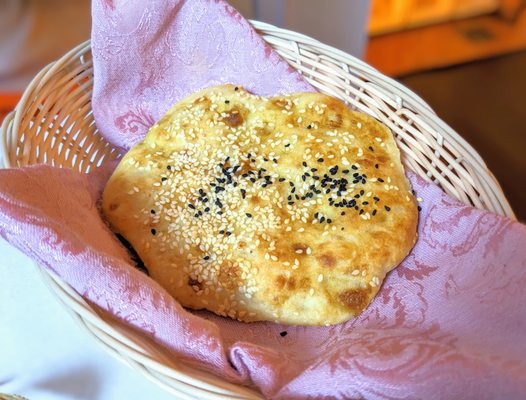
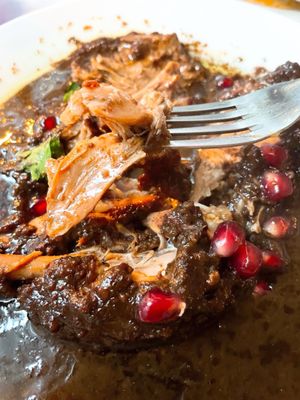
"At dinner recently I learned the Farsi term lebos polo khori (“rice-eating clothes”), which felt apt given how much rice was piled on the table at Nasrin’s Kitchen, a new Persian restaurant in midtown run by Nasrin Rejali, an Iranian refugee who moved to Queens via Turkey in 2016 after a series of popular pop-ups and opened the restaurant last month. Several plates came from the Chelo Khoresh section: the khoresh-e ghormeh sabzi — a forest-green stew of tender beef, fat kidney beans, fried herbs, fenugreek, and sun-dried limes — arrived with saffron-tinged rice and a square of crispy tahdig; the zereshk polo ba morgh was almost all rice—basmati studded with tart barberries, shards of pistachio and almond, saffron oil and tahdig—burying braised saffron-and-tomato chicken legs. Kebabs (koobideh of ground lamb and beef and juicy saffron‑and‑lemon boneless chicken) came with grilled peppers and tomatoes, raw red onion and fresh basil, and I loved mixing rice with Rejali’s yogurt dips: the tangy mast mosir with Persian shallots and nigella and the sweeter mast khiar with cucumber, raisins, sunflower seeds, dried mint and rose petals. Her dolmeh barg mo, made to her mother’s recipe, wrapped rice with yellow split peas, barberries, tarragon, basil, cilantro and onion in grape leaves, simmered in pomegranate molasses and served warm. There were also non‑rice highlights: a herb-forward kuku sabzi and a luscious mirza ghasemi eggplant-and-tomato dip topped with a fried egg and freshly baked flatbread. The marble-walled dining room on the second floor of a century-old townhouse lends a faded, formal glamour to the place (even though many diners wore scrubs), and dishes are priced around $9–$30." - Hannah Goldfield


