Taylor Shellfish Farms
Oyster bar restaurant · Skagit County ·
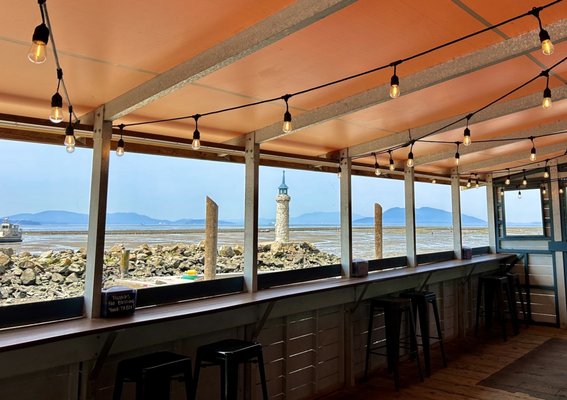
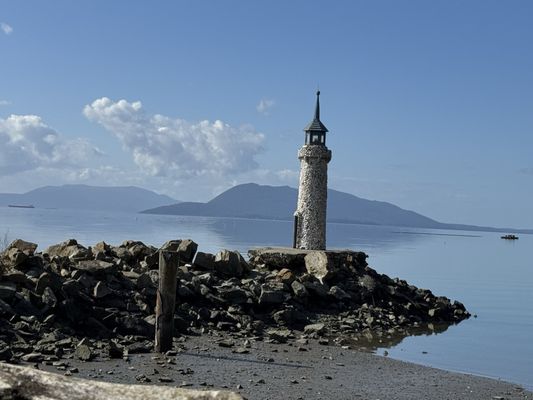
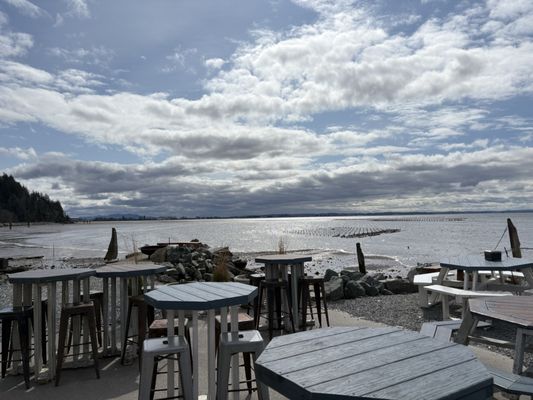
Oysters, geoduck & shellfish farm with waterfront dining













Oysters, geoduck & shellfish farm with waterfront dining
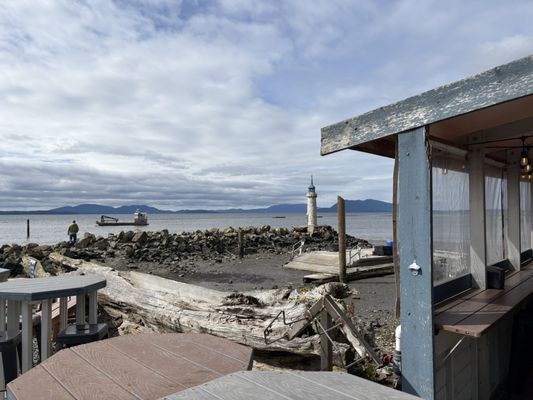
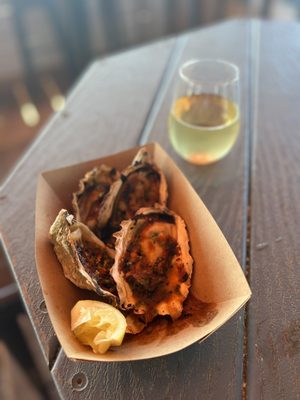
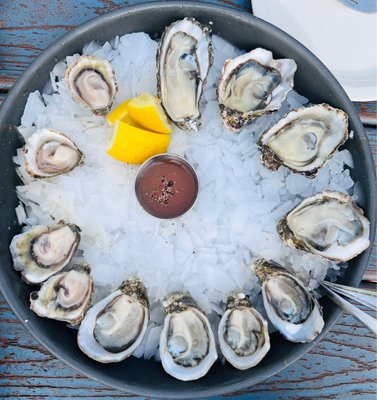
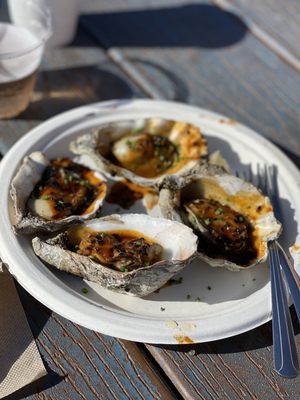
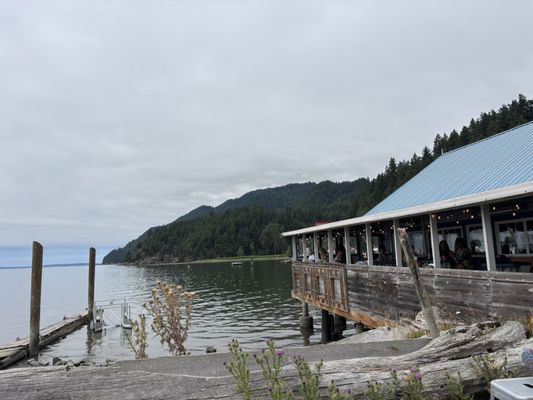
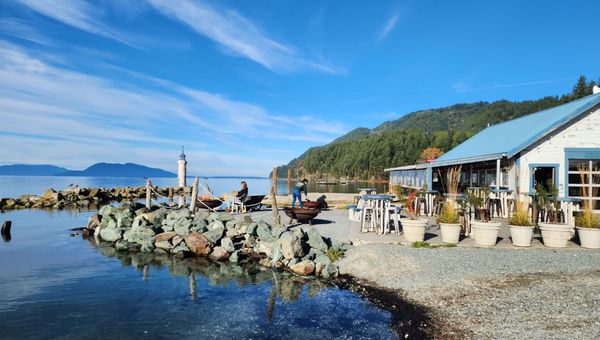
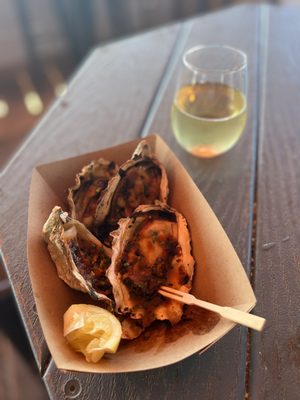
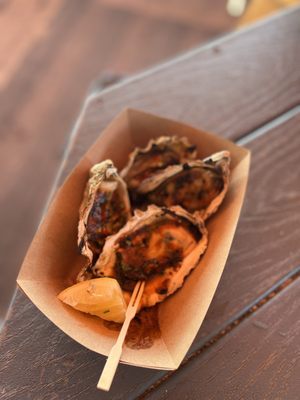
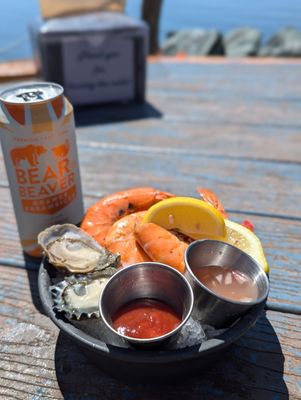
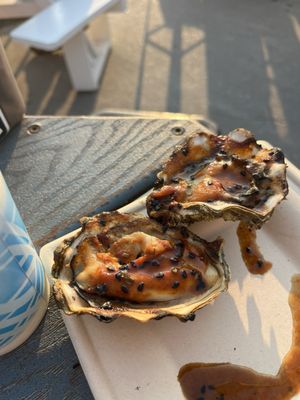
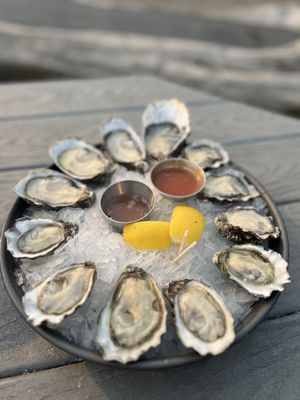
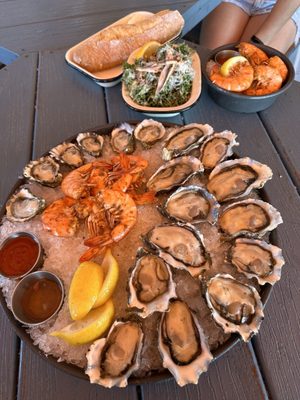
"Typically the next stop after Larrabee State Park, this family-owned oyster farm and shellfish market is a perfect place for lunch: ask for a tray of oysters to shuck yourself, or have them barbecue some shellfish, best enjoyed at one of the waterfront picnic tables." - Lydia Mansel Lydia Mansel Lydia Mansel is a writer with more than eight years of experience editing and writing for both brands and online publications—with a particular focus on travel, fashion, and lifestyle. She’s also the founder of the travel site justpacked.com. Travel + Leisure Editorial Guidelines
"More than a century old and now the country’s largest purveyor of farmed shellfish, Taylor Shellfish Farms and its handful of hip oyster bars are an educational experience. Diners should be sure to ask lots of questions about the many Kumamotos, tiny native Olympias, and other types on offer here." - Mark DeJoy
"I recommend Taylor Shellfish for oysters and geoduck — a must for seafood lovers." - Daniel Modlin
"A Puget Sound shellfish farm that cultivates geoducks by hand, planting thousands of thumb-sized “seeds” year-round during low tide (about 80–90,000 seeds per acre), gently placing two into each small column and leaving them to grow for roughly six years. The resulting operation produces about 1 million pounds of geoduck annually. Harvesting is manual and physical—workers wade waist-deep in mud, often stomping to find the clams and digging them up by hand—an approach the director describes as “a labor of love.” The clams can reach forearm length, are rare in distribution, and command high prices as a sought-after delicacy worldwide; from hatchery to processing, the farm emphasizes that no machinery is used at any stage." - Terri Ciccone
"A multigenerational shellfish farm known for highly regarded oysters such as Shigoku and Kumamoto; it offers free overnight delivery for live/perishable orders totaling $300 or for deliveries to Western Washington and Northwest Oregon, while other orders carry a flat $30 shipping fee and non-perishable items typically arrive in 2–5 business days." - Nikita Richardson


