Shigetsu
Vegan restaurant · Kyoto-shi ·
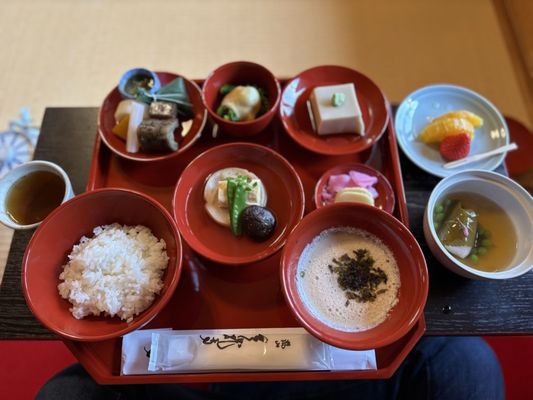
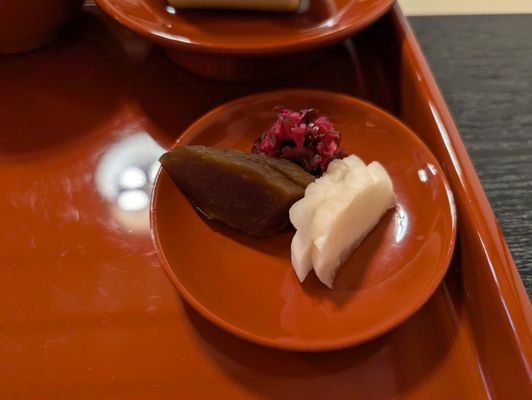
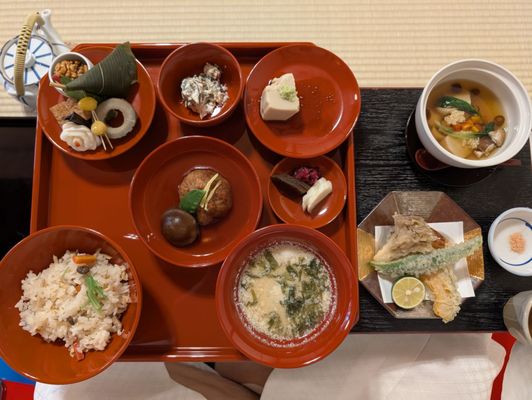
Vegetarian Buddhist cuisine served in serene temple setting





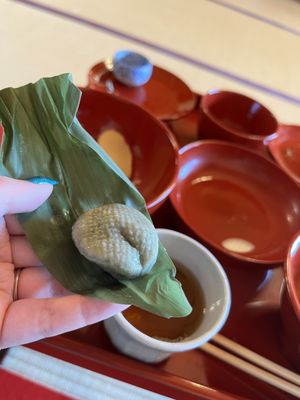


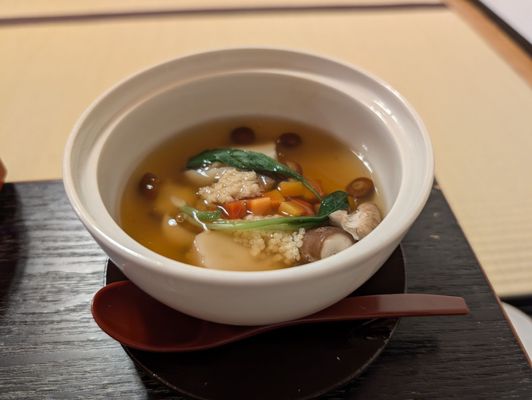

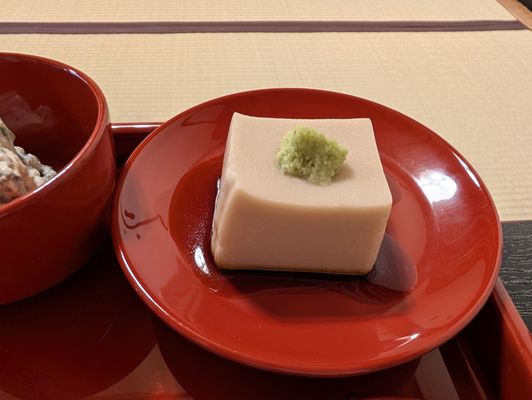
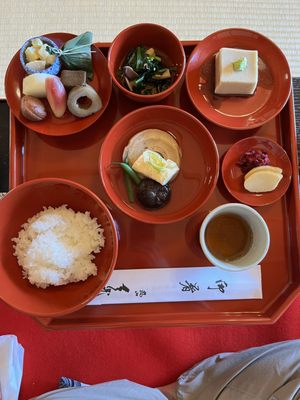











Vegetarian Buddhist cuisine served in serene temple setting
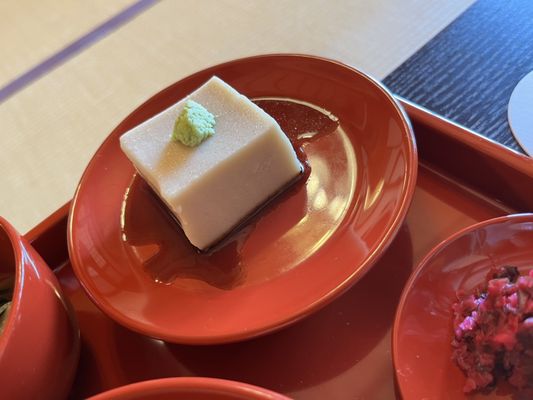
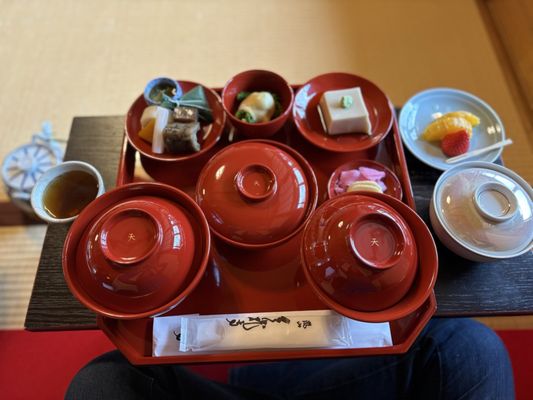
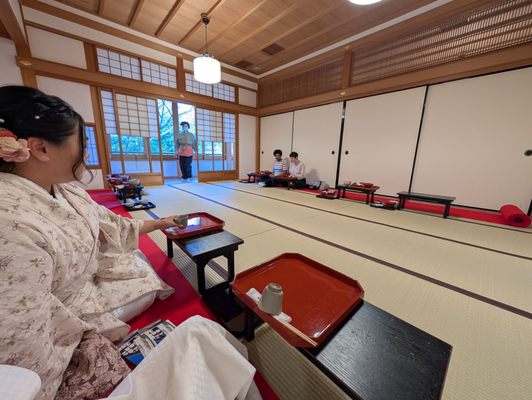
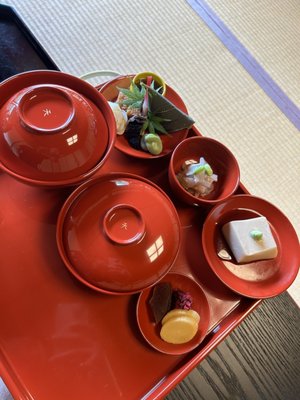
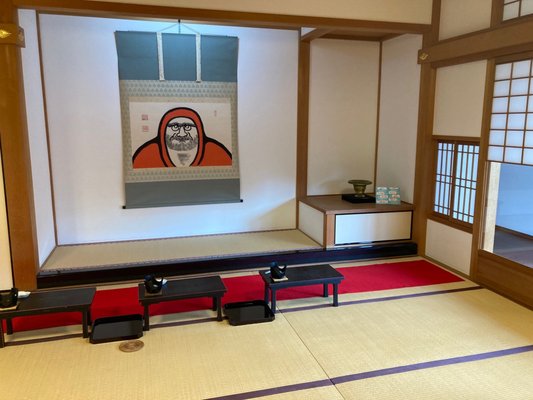
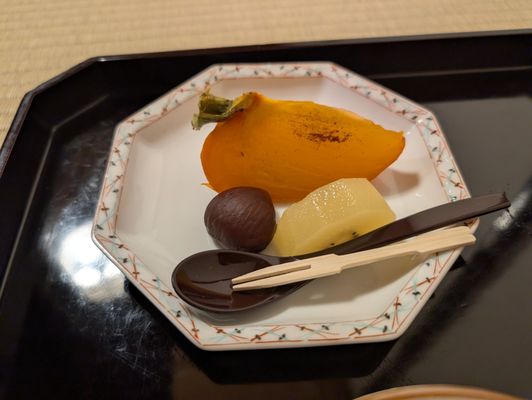
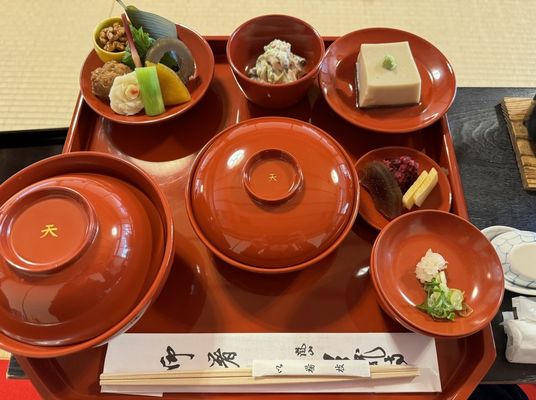
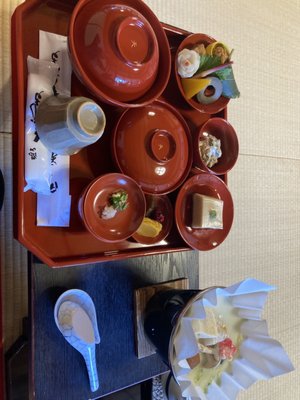
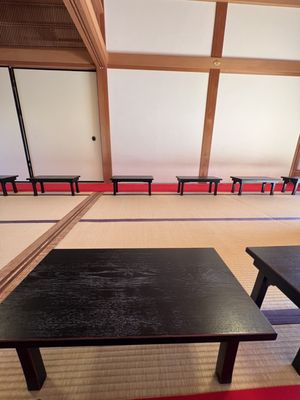
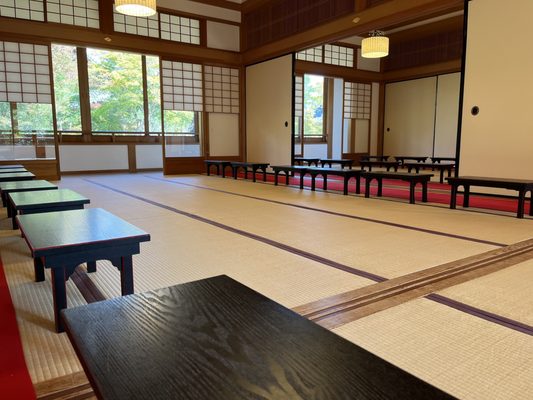
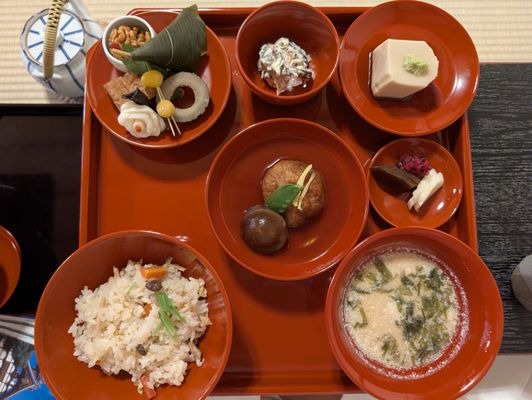
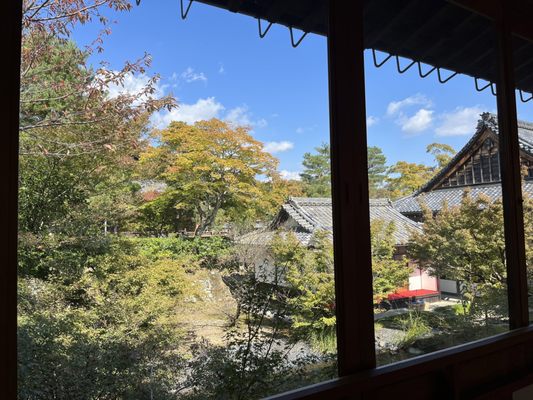
"As close as you can get to dining like a Buddhist monk in a World Heritage-protected site, Shigetsu sits within the Tenryu-ji temple in ancient Kyoto and serves shojin ryori, a vegetarian cuisine rooted in Buddhist ascetic traditions. Diners kneel or sit cross-legged on tatami mats, with food thoughtfully presented on low tables before them. The serene setting mirrors the deeper purpose of the meal: Shojin ryori is believed to quiet worldly desires, cleanse the soul and inspire spiritual awakening." - The MICHELIN Guide
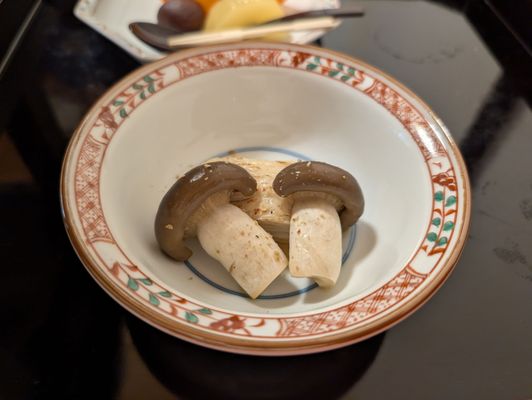
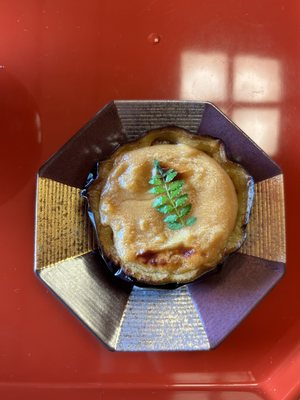
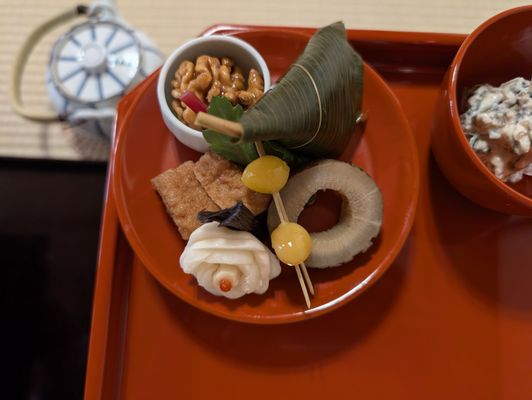
"Shojin ryori is a vegetarian cuisine in the Buddhist monastic tradition. It is a part of Buddhist ascetic practice, said to cleanse the soul, suppress worldly desires and promote spiritual growth. It is said that pouring one’s heart into one’s cooking is the secret to true shojin ryori and an act that expresses gratitude for all people. Shojin ryori is a quest not for physical results but for an inner spiritual calm. A guide on the path of life." - Michelin Inspector
"The MICHELIN Green Star was newly awarded, to two restaurants from Kyoto. Newly Starred French restaurant la bûche expresses the terroir of Ohara through its cuisine. It sources ingredients from neighbouring producers and hunters, and many of its creations are based around wild plants. The wine list, focusing in natural wines, has also impressed the MICHELIN Guide Inspectors. Shigetsu uses ingredients purchased at the market to create its menu on a day-to-day basis. The restaurant is also very committed to avoid food waste. For examples, vegetable scraps from the cooking process are dried and turned into compost, to ferilize local fileds. With is Shojin style, the restaurant also conveys the importance of limited ingredients." - MICHELIN Guide Japan
"Shigetsu uses ingredients purchased at the market to create its menu on a day-to-day basis. The restaurant is also very committed to avoid food waste. For example, vegetable scraps from the cooking process are dried and turned into compost, to fertilize local fields. With its Shojin style, the restaurant also conveys the importance of limited ingredients." - MICHELIN Guide Japan
Alissa L
Saskia S
Leo M.
Jessica J.
Anju P.
Phoebe R.
Alexander Z.
S L C.

Henry Y.

Yuki K.

Jannet L.

Shantala A.

Sarah T.

Udbhav D.

David S.
Akiko H.

Amy K.

Teri K.

Randall M.

Mike C.

Linda L.

The World Digested A.
Greg S.
