The Charleston Museum
Museum · Charleston ·
America's oldest museum: history, natural history, decorative arts
















America's oldest museum: history, natural history, decorative arts
"The oldest museum in the U.S. and the setting of the Season 3 heist; while the show's ancient Gnomon of Solana artifact is fictional, visitors can still explore the museum's many exhibits on regional history." - Andrea Romano Andrea Romano Andrea Romano is a writer and editor in New York City. For the last eight years, she has been a lifestyle journalist for Mashable, Brit+Co, Reviewed, Bustle, and Travel + Leisure. Travel + Leisure Editorial Guidelines
"As museums go, there’s nothing stuffy or old-school about this one, even though it just celebrated its 250th year of existence. The formidable modern structure houses relics from Charleston’s past, and weaves a story from the 18th century to the present. Visitors wander through history, both cultural and natural, listening to recordings by locals. It’s a great place to ground yourself, and to catch your breath in the museum’s restful inner courtyard." - Allston McCrady

"As museums go, there’s nothing stuffy or old-school about this one, even though it just celebrated its 250th year of existence. The formidable modern structure houses relics from Charleston’s past, and weaves a story from the 18th century to the present. Visitors wander through history, both cultural and natural, listening to recordings by locals. It’s a great place to ground yourself, and to catch your breath in the museum’s restful inner courtyard." - Allston McCrady
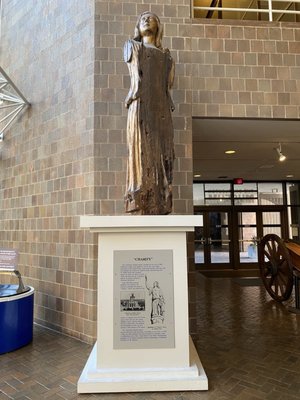
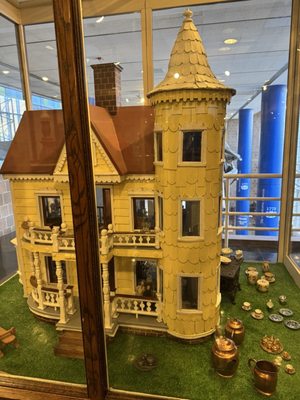
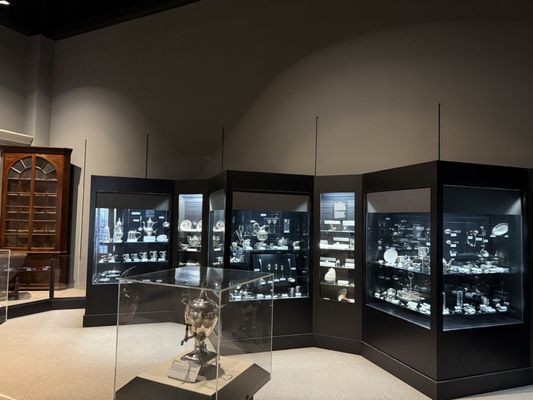
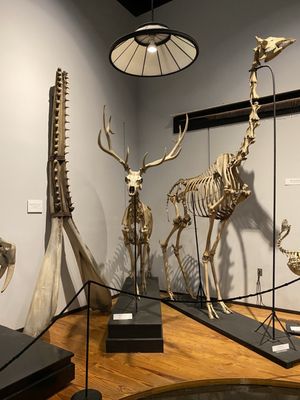
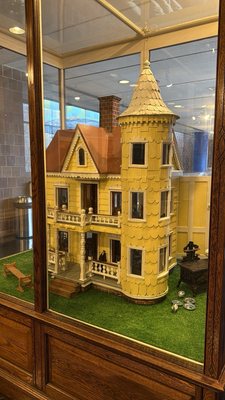
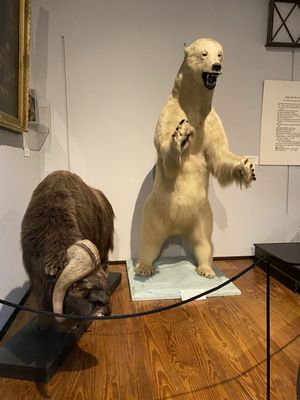
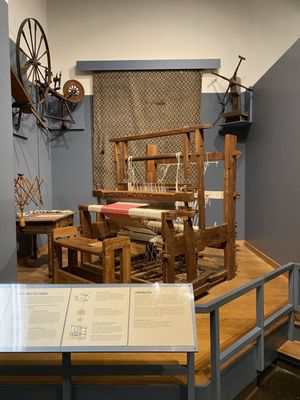
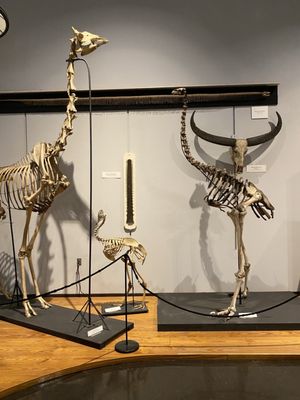
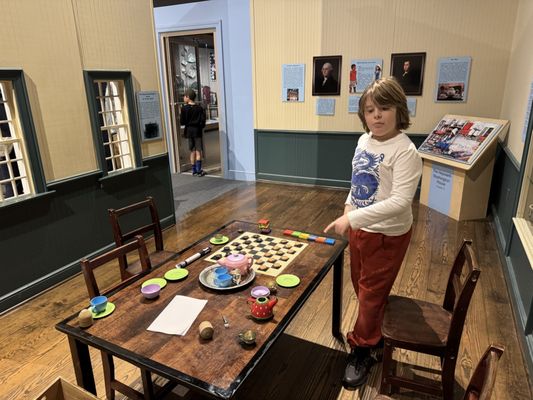
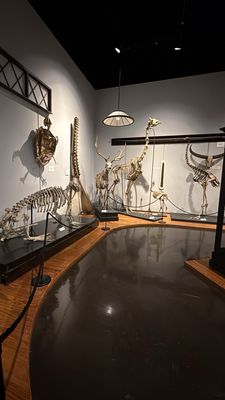
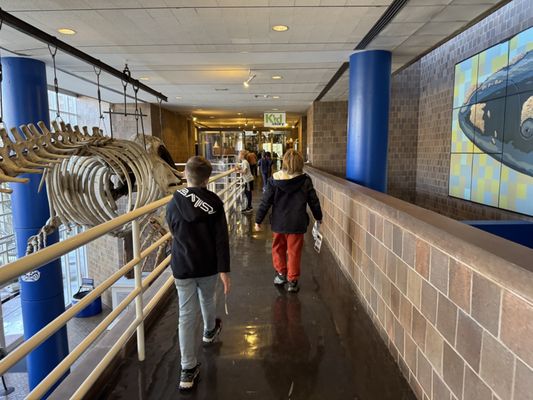
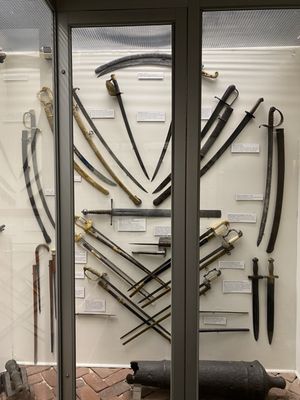
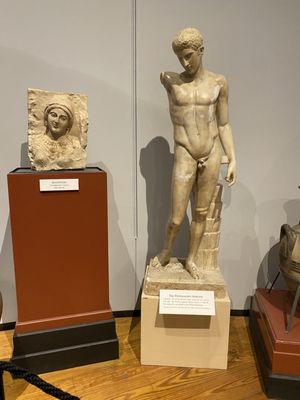
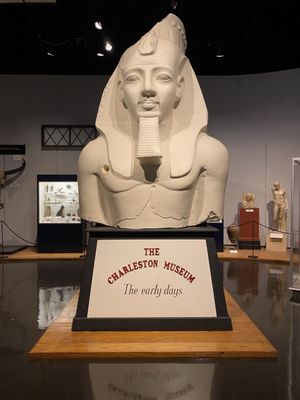
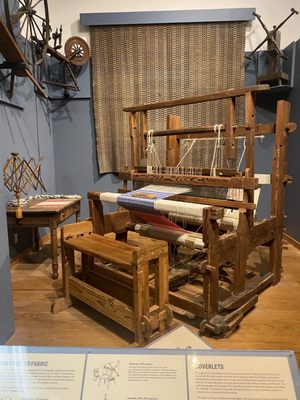
"Zoom out. What’s this place all about? As museums go, there’s nothing stuffy or old-school about this one, even though it just celebrated its 250th year of existence. The formidable modern structure houses relics from Charleston’s past, and weaves a story from the 18th century to the present. Visitors wander through history, both cultural and natural, listening to recordings by locals. It’s a great place to ground yourself, and to catch your breath in the museum’s restful inner courtyard. What will we see here? This museum dedicates itself to Charleston history, and does a great job of it. In one wing, you quite literally walk through a Lowcountry timeline, from Native American clay pipes, to the colonial construction of the original city wall, past decorative 18th-century salt-glazed stoneware and fancy imported French fans for antebellum society ladies, through an immersive homage to slaves that built much of the wealth of the city through agriculture. Next comes Charleston’s natural history timeline, a meandering hallway full of dinosaurs, giant sloths, and ancient buffalos, ending in an impressive taxidermy representation of the area’s many birds. What did you make of the crowd? Anyone and everyone is welcome: walk-ins, schoolchildren, people breezing through, and people lost in thought. Everyone can find items of interest here. I’ve never experienced this place overly crowded, so you can linger and get really close to subjects without elbowing anyone or cutting them off. As for excited children, there are a few dedicated kid-friendly hangout areas, so the museum stays typically very quiet. I really didn’t see anyone rushing through. I saw locals wanting to learn more about their own city, and visitors getting a good sense of the deeper roots of the area. Charleston is so much more than its walkable streets and pretty facades! The museum sustains a genuine dialogue. On the practical tip, how were the facilities? Exhibits feel intimate but are spacious enough, with extremely tall ceilings. There are plenty of comfortable wooden benches placed throughout, often with videos to watch as you rest. The elevator typically has no wait. It would be easy to roll through the entire museum in a wheelchair. Gift shop: What will we find? A small ground floor gift shop sells history books, cookbooks, silver rice spoons, and some cute collectibles for children. Any advice for the time- or attention-challenged? You could easily take in the entire museum in 60-90 minutes, though many choose to linger longer to read every label and to ponder subjects. In the slavery section, take a seat on a bench and watch the looping video about the back-breaking work of cultivating cypress swamps and creating rice fields. Narration comes from voices of actual Charleston resident. While there, check out the sizable collection of massive ceramic storage jars made by a slave potter named Dave who wrote inscriptions on his creations. Skip past the Revolutionary and Civil Wars (if you must) to check out a gorgeously recreated local apothecary shop dating to 1715 (sadly, it closed in 1960). Enter the natural history section to gape at the massive jaws of an extinct 60-foot megalodon shark (a species whose teeth still occasionally wash up on local beaches), then the skeleton of a 26-to-28-million-year-old crocodile. And my favorite: an American buffalo whose bones were found offshore, inferring a time long ago when Charleston’s coastline stretched much farther out to sea than it does now." - Allston McCrady
Established in 1773, The Charleston Museum holds the distinction of being America’s oldest museum. Both National Geographic and Lonely Planet recommend this institution for its compelling exhibits on local history, Lowcountry culture, and natural science. Self-guided tours reveal Charleston’s colonial roots, Civil War legacy, and unique regional artifacts, offering essential context for any visitor.
Devyn P.
Jimmy S.
Asher N.
Dayla K.
P
The Good, Bad and the U.
Rory J
Jeffrey L.

Nicole Z.

Carolyn C.

Justin J.

Janice W.

Edwyn A.

Scarlett H.

Parker W.

Courtney C.

I Michael R.

Barrie P.

Kyle F.

Liz D.

Debra V.

Alison C.

Rae C.

John B.

John R.

Maya M.

Jean D.
J T.

Sam T.

M P.

Crystal O.

Anthony S.

Kara M.

William W.

Rob W.

Chris S.

Daniel P.

Jenniferlyn T.
Susan L.
Scott W.
Dana V.

Caitlin C.

Susan O.

Ami A.

Dan G.

Shannon I.

Noelle S.

Chris W.

Marqus R.

Scott H.

Tom G.

Evan G.

AL K.

Tiffany C.
Howard W.

Matt L.

Noelle C.


