Gloria R.
Yelp
Visiting the Velaslavasay Panorama in Los Angeles is like stepping into a beautiful, slightly worn dream. It's a place of immense promise and rare uniqueness, and it also bears the patina of age, neglect, and the kind of scrappy survival that both charms and frustrates.
What makes it remarkable
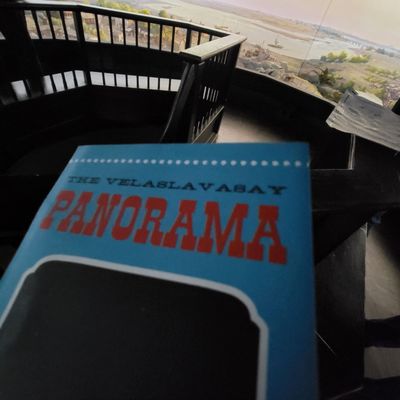
* The Panorama revives a historic art form: panoramic paintings--those vast 360-degree vistas popular in the 18th and 19th centuries. The art form was patented by Englishman Robert Barker in 1787 and flourished before cinema.
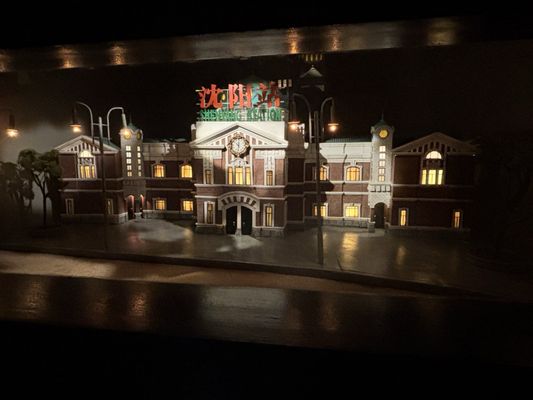
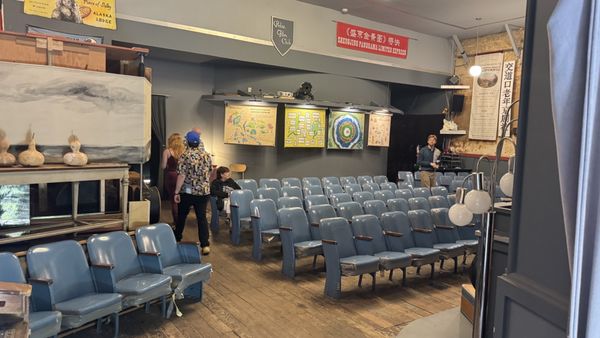
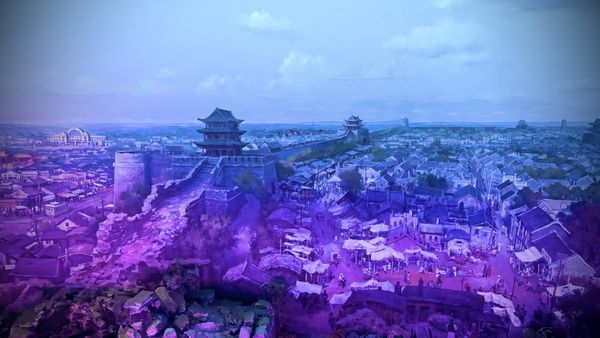
* At this venue, you're immersed in a sweeping panorama of the city of Shengjing (modern Shenyang, China) from the early 20th century, created by Chinese panorama masters over five years.
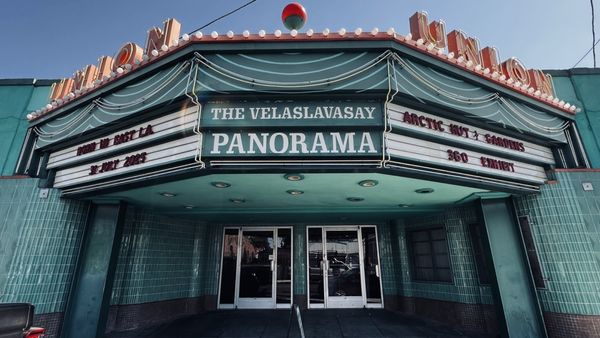
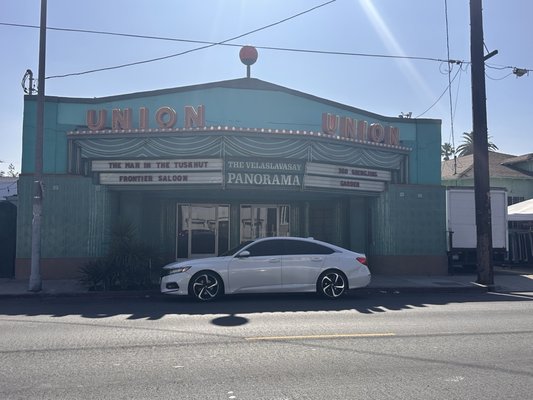
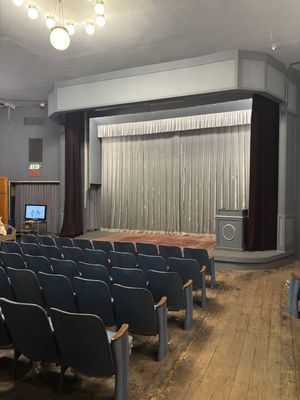
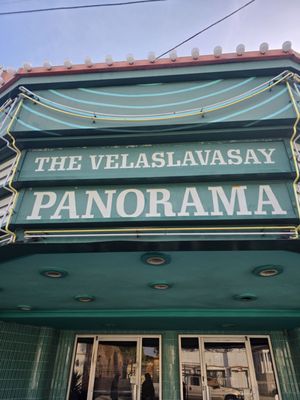
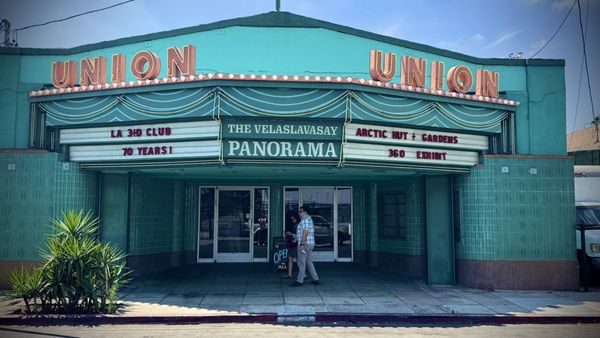
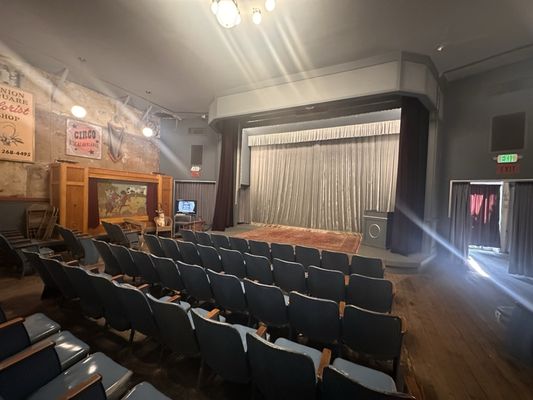
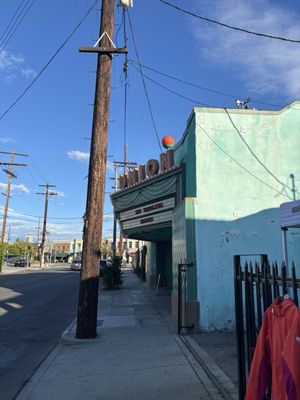
* The building itself--originally the historic Union Theatre (opened 1910) in the West Adams/University Park area of L.A.--is a physical marker of change: silent movie house, tile union headquarters, drama school and now a panorama hall.
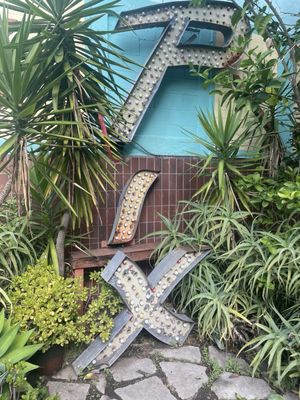
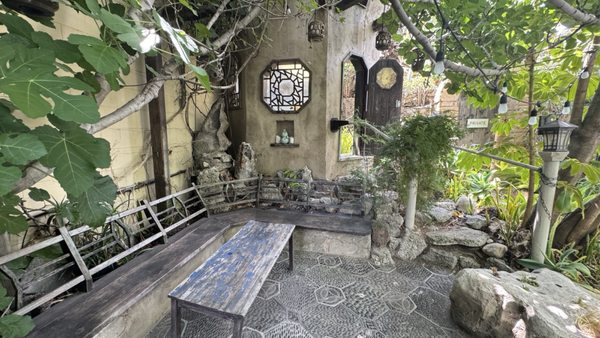
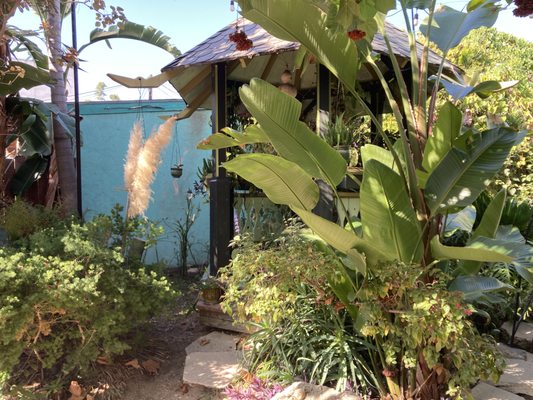
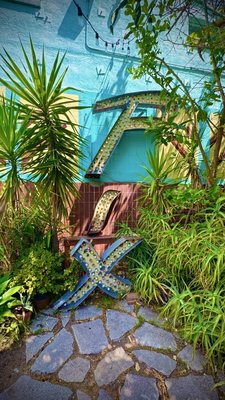
* There's a delightful garden space behind the theatre which offers a quiet contrast to the city, a real hidden gem.
In short: if you're a lover of history, immersive art, oddities and hidden L.A. treasures, this is absolutely worth the visit.
Where the rough edges show
And here's where I must say: the Velaslavasay Panorama has so much potential that it seems held back by everyday realities of maintenance, infrastructure, and visibility.
* No parking / accessibility issues. If you drive, getting in and out is clunky. That limits who can easily experience it.
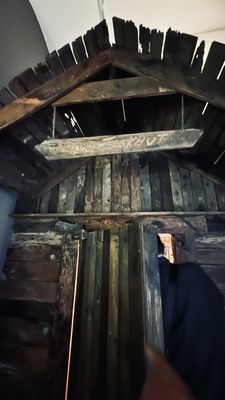
* Building wear and tear. Tiles missing, parts of the structure showing signs of sinking foundation, curling paint--being inside the building you feel its fragility.
* Garden & grounds need tending. That behind-the-scenes garden could be extraordinary with some clean-up, organization, and horticultural planning; right now it has the bohemian charm of "creative urban jungle" but also the appearance of "needs a weekend of hard work."
* Undercapitalized feel. The institution feels more like a grassroots passion project than a polished museum. Which I love in spirit--but it also means things like signage, ease of visit, marketing, fundraising infrastructure, visitor experience, suffer.
* Ageing in place rather than growing. The story here is of legacy, history, uniqueness--but there's a tension: Should this place be frozen as a quirky relic, or rejuvenated and allowed to thrive? Right now the leaning is toward the former: amazing and stable, but constrained.
My personal takeaway
I left feeling inspired and grateful: inspired by the artistry of the panorama, grateful that such a wild, strange, lovely place still exists in L.A. I also left feeling a bit wistful: what if this place could have the budget and infrastructure to flourish? What if the parking was sorted, the garden curated, the building preserved properly, the marketing turned up, the management changed... so more people came? It would become not just a hidden gem--but a major cultural destination.
Final recommendation
Yes--go. Bring a trusted friend, allow an hour or more, wander the theatre, soak in the panorama, then stroll the garden.
But bring the mindset of seeing something lovely in its imperfect state. If you're expecting a pristine, spotless museum, you might feel disappointed. If you're open to beauty in rugged form, you'll feel joyful.
And of course: if you love it, consider making a donation or volunteering--places like this depend on supporters who see the vision and are willing to help dust, polish, fundraise, repair and restore.